



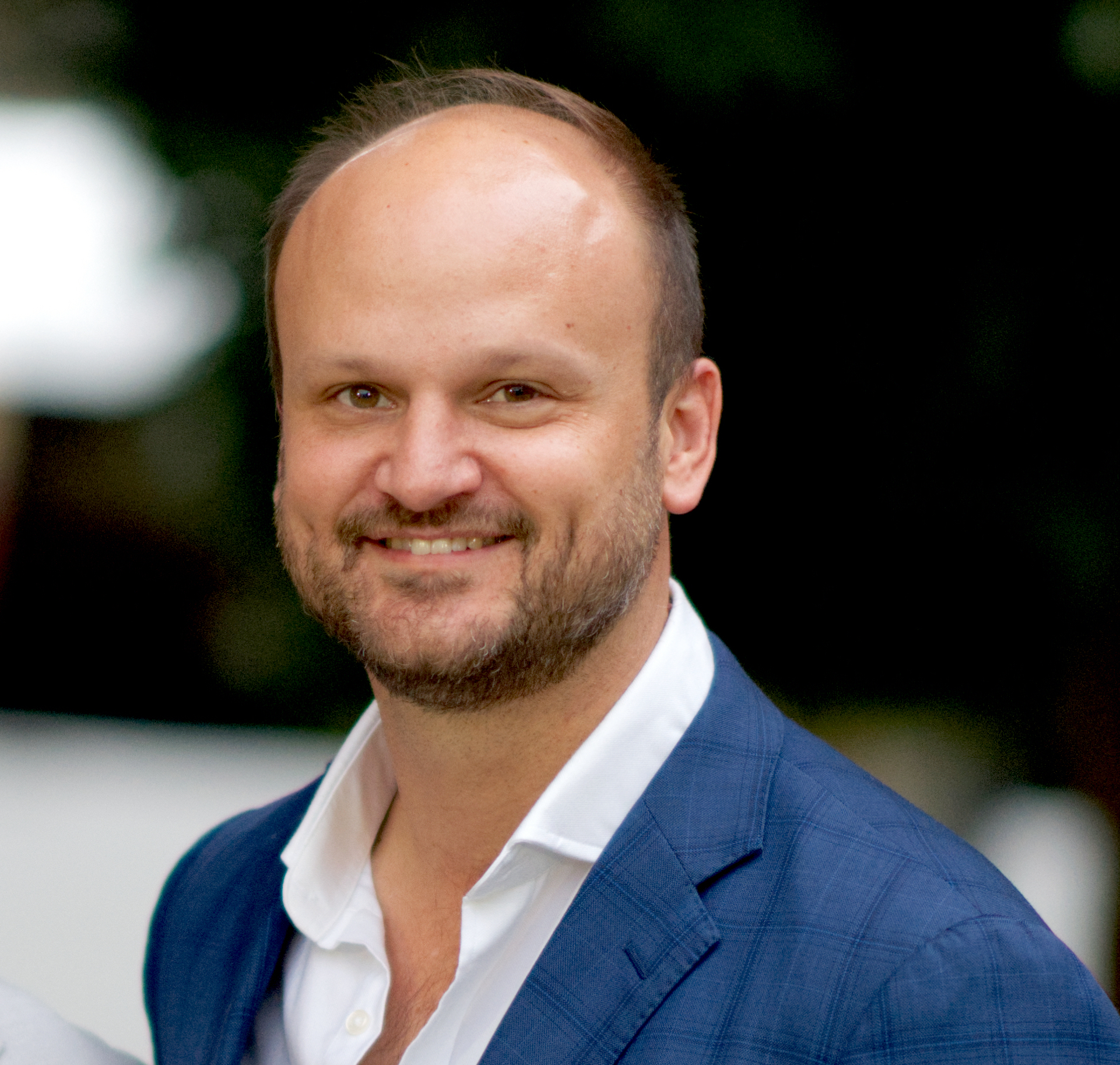

Te Arikinui Kuini Ngā wai hono i te pō (the Māori Queen) has called for urgent action to restore balance between people and the natural environment, warning that growing pressures on ecosystems are already impacting communities, culture and economic wellbeing.
Speaking at the 130th Royal Regatta at Tūrangawaewae Marae (ceremonial meeting ground) in Ngāruawāhia, Aotearoa (New Zealand), Te Arikinui told attendees that te taiao (the natural environment) is "constantly speaking" and requires immediate attention.
"The natural world is constantly speaking through rivers, land, winds, and oceans — and it is time to listen," she said.
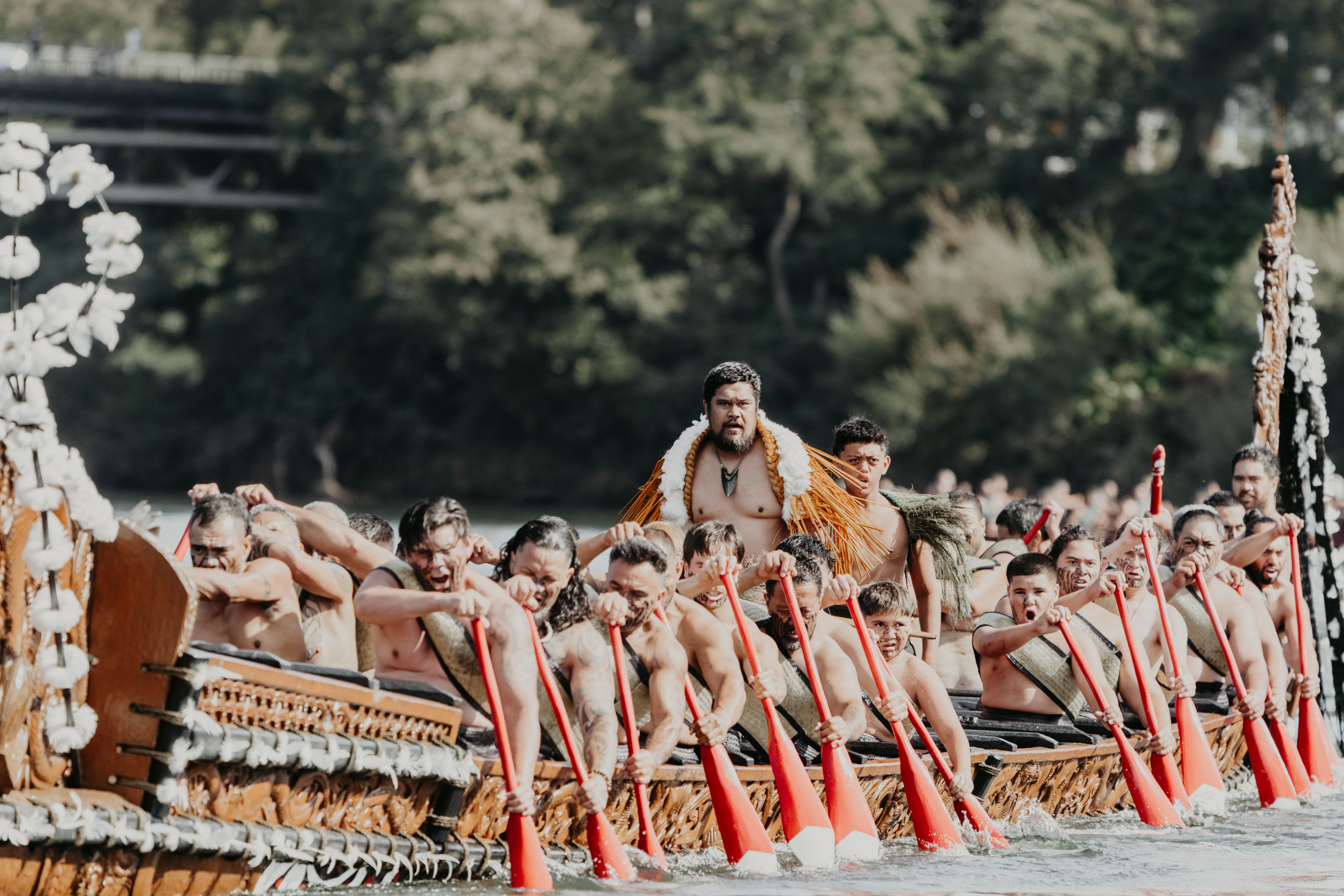
The Royal Regatta, held annually on the Waikato Awa (Waikato River), is a significant event for Kiingitanga (the Māori King movement), bringing together iwi (tribes), hapū (sub-tribes) and visitors from across the country.
Attendees included Mark Brown, Prime Minister of the Cook Islands, leading iwi figures such as Tukoroirangi Morgan (Chair, Waikato-Tainui), Rahui Papa (iwi leader and spokesperson), and Donna Flavell (Chief Executive, Waikato-Tainui), Antonia Watson, Chief Executive of ANZ Bank New Zealand, Dr Erik van Eyndhoven of The Nature Conservancy Aotearoa, and senior executives from Obayashi Corporation. The programme also confirmed the presence of a Whadjuk Aboriginal Corporation delegation from Western Australia, led by Chair Charne Hayden and Deputy Chair Wayne Ryder, reflecting growing cross-Tasman engagement between Māori and Noongar leadership.
Kiingitanga spokesperson Rahui Papa said the Waikato Awa provided a clear example of the pressures facing natural systems, with implications extending beyond environmental concerns.
"When the environment suffers, so too do our people, our culture, and our economy," Mr Papa said.
He noted that Indigenous coastal and river communities globally are experiencing increasing impacts from climate change, declining water quality and threats to food security.
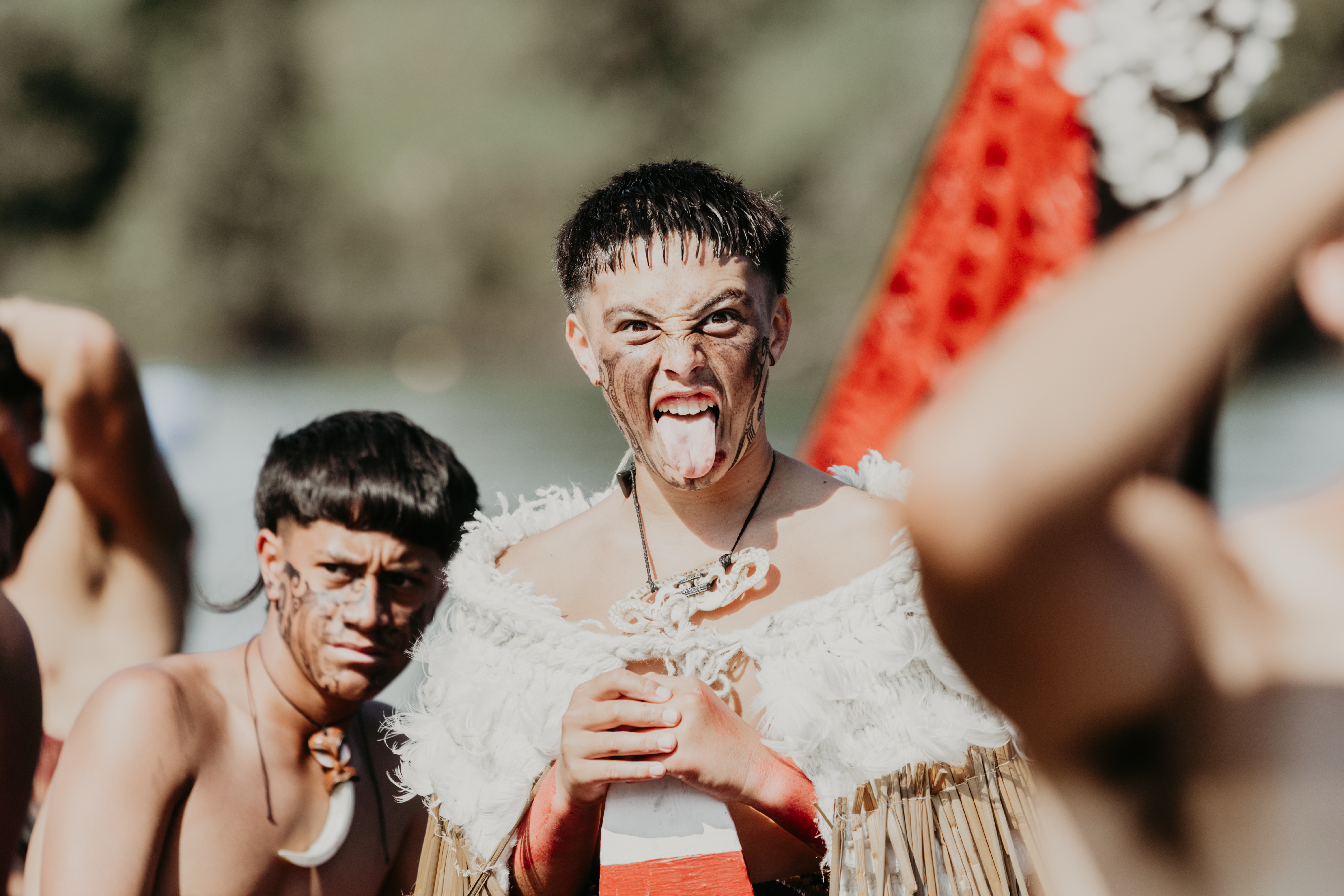
In response, Te Kiingitanga will host a series of wānanga (knowledge-sharing forums) at the Waikato-Tainui Endowed College for Research and Development.
The forums will bring together iwi and hapū leaders, marae (community meeting place) representatives, rangatahi (young people), scientists and climate practitioners, alongside partners from Aotearoa and overseas.College Chair Professor Marama Muru-Lanning said the initiative is designed to develop practical responses grounded in both Indigenous knowledge and scientific research.
"These wānanga will create intentional spaces to listen, share, and weave together mātauranga Māori (Māori knowledge systems) and scientific knowledge to co-design responses grounded in tikanga (customary values and practices) and local realities," she said.
Professor Muru-Lanning said the kaupapa (purpose) is to find workable solutions that balance human needs with the health of the natural environment.
The announcement reflects a broader shift across Indigenous communities internationally, including in Australia, where Traditional Owners are increasingly leading environmental management, water governance and climate response initiatives.
Te Arikinui also urged communities to embrace change and act with urgency, drawing on the guidance of her tūpuna (ancestors).
The planned wānanga are expected to play a central role in shaping future environmental and economic strategies for Waikato-Tainui, with a focus on long-term sustainability and intergenerational outcomes.