



In a boardroom in Vancouver, a quiet financial experiment is underway that could change the way Indigenous nations participate in mining. It is called Nations Royalty, a majority Indigenous-owned public company that takes a long-established mining finance model and re-tools it for Indigenous control.
In Canada, many Indigenous groups hold legally recognised land rights through treaties and comprehensive agreements, some centuries old. When a mine operates on their land, they negotiate impact benefit agreements, legally binding contracts that define how revenue, jobs and environmental responsibilities are shared. The payments often stretch decades into the future.
Nations Royalty's innovation is to gather those future payments into a single listed company, one that is majority owned by the First Nation itself. Instead of waiting decades for royalties to trickle in, the community exchanges them for shares in the company today. Those shares can be traded, giving them an immediate market value and access to international investment capital.
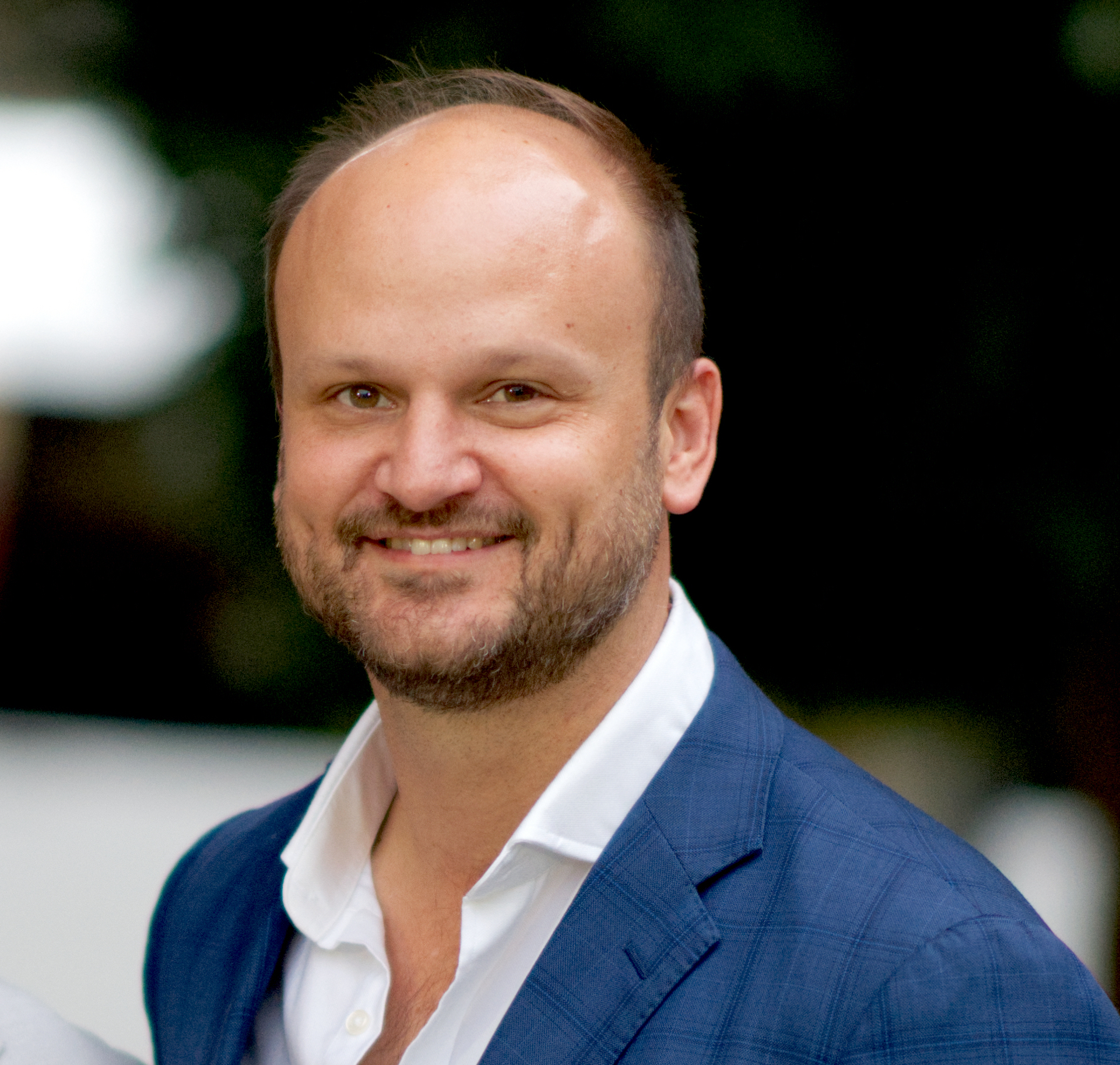
"It's about taking control of our own financial destiny," says vice-president of corporate development Kody Penner. "Rather than being drip-fed payments over seventy years, we can use the value of those royalties now, to build, educate and invest."
A miner turned financier
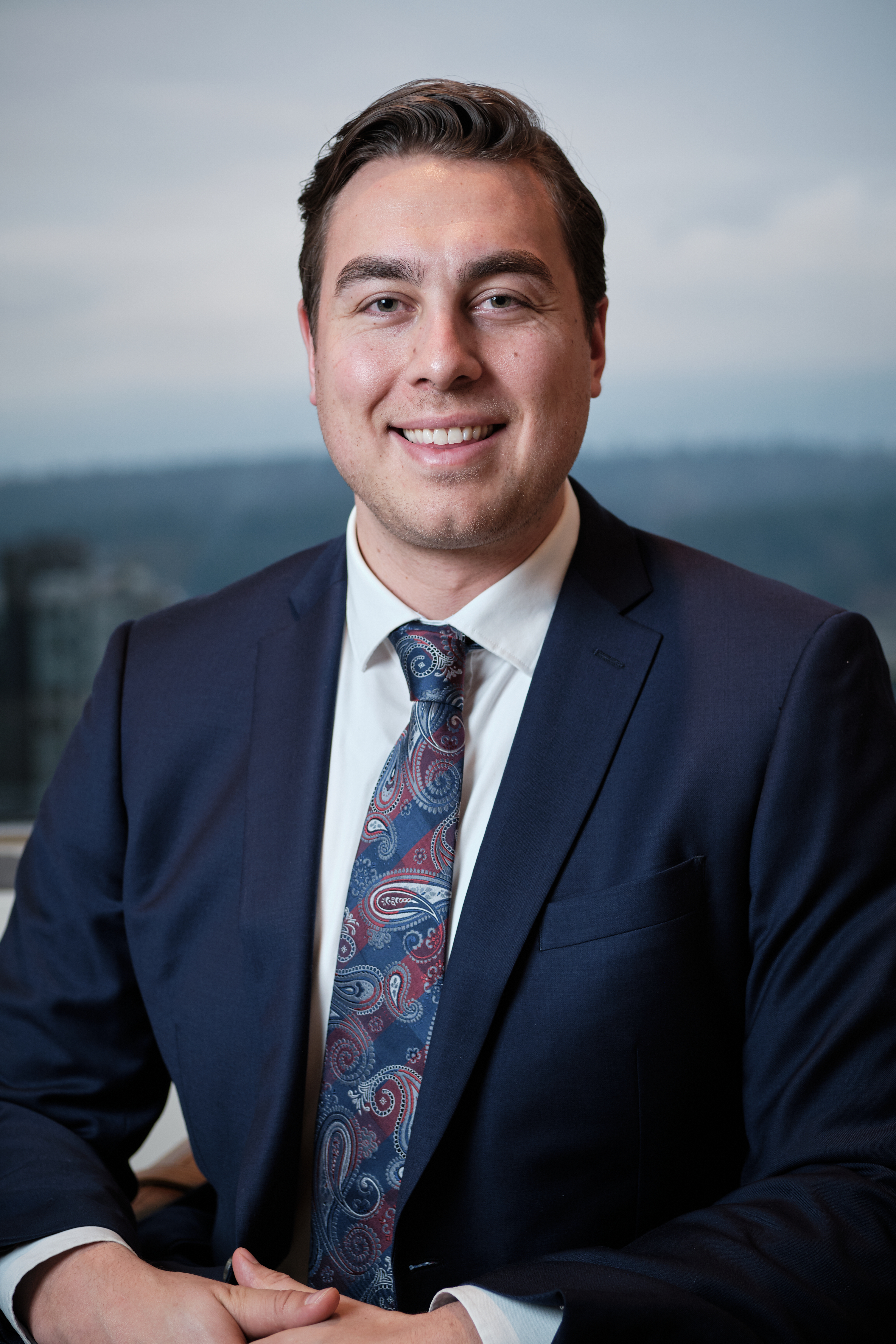
Mr Penner's career bridges two worlds, and so does his identity. He is a member of the Tahltan Nation in north-western British Columbia, part of a region where Indigenous peoples have been shaping the modern mining economy for decades. He began his working life underground at the Brucejack Mine before joining the Tahltan Central Government, where he helped local people find work in the resource sector.
After studying commerce at the University of British Columbia, he moved into equity research and strategic planning roles at major mining firms including Teck Resources. At Nations Royalty, he brings together his lived experience as an Indigenous community member and his training in geology, governance and capital markets.
The company's structure is simple. The Nisga'a Nation, based in the Nass Valley of north-western British Columbia, contributed its mining royalty streams to establish the company and now owns about 77 per cent of its shares. The remaining stock is held by investors, including a group led by Canadian financier Frank Giustra, known for co-founding Wheaton Precious Metals, one of the world's largest royalty companies.
That partnership brings expertise, but decision-making remains Indigenous.
"The Nisga'a wanted to build something that would make them independent of government transfers," Mr Penner says. "They wanted to generate their own wealth, not rely on grants."
How the model works
Royalty companies earn income not by mining, but by receiving a share of mine revenue. By pooling royalties from multiple projects, they spread risk. Nations Royalty uses that model but partners with Indigenous nations that already hold royalty rights through benefit agreements. In return for contributing those rights, nations gain equity in the company.
The advantage is liquidity and diversification. A nation once dependent on a single mine's fortunes can now hold a stake in many. As a listed company, Nations Royalty can raise funds globally, from Zurich, London or Sydney, to acquire new royalties.
"The public listing opens borders," Mr Penner says. "Capital can flow in from anywhere, but ownership stays with the nation."
In practical terms, the Nisga'a have turned an income stream that might once have taken seventy years to realise into an equity position valued at around one hundred million dollars today.
The Canadian setting
Canada's resource geography makes this possible. Across British Columbia, Yukon and Quebec, many First Nations have signed treaties that grant land ownership, revenue rights and co-management of resources. These legal foundations have created a generation of Indigenous governments and development corporations that negotiate directly with mining firms, operate training programs and reinvest profits locally.
The Tahltan Nation, where Mr Penner grew up, is among the most successful. Its development corporation employs hundreds of members and builds major infrastructure across its territory. That experience shaped his belief that financial structures can be as transformative as physical ones.
"The pride that comes from building something for your own community is powerful," he says. "When people have good jobs and purpose, it breaks the cycle of despair. The royalty company is just another tool for that."
A mirror for Australia
In Australia the Native Title system recognises Indigenous connection to land but generally does not confer freehold ownership. Aboriginal corporations may receive royalty streams through mining agreements though those payments are commonly fragmented, and navigating tax and governance frameworks remains complex.
Unlike in Canada, Australia offers limited broad tax-exemption regimes for Indigenous corporations. Moreover, land returned via native title or land-rights legislation often faces legal and administrative barriers to development, and when used commercially may be subject to local council rates and service charges.
Where Canadian First Nations can sometimes operate as quasi-municipal entities with powers to raise revenue, Australian Aboriginal corporations must navigate charity law, corporate regulation and government oversight. That structure limits innovation.
"Every jurisdiction is different," Mr Penner says, "but the principles, governance, accountability and access to capital, are universal."
Canadian mining giant Agnico Eagle, which operates the Fosterville Gold Mine in Victoria, has already signed a landmark partnership with the Dja Dja Wurrung Clans Aboriginal Corporation, the first of its kind in the state. Modelled partly on the Canadian approach to benefit agreements, it suggests cross-border collaboration is beginning. Mr Penner, who sits on Agnico Eagle's Indigenous advisory committee, sees that as a sign of things to come.
The risks of innovation
Nations Royalty's experiment is still new. Listed on the TSX Venture Exchange in 2024, its market value remains modest. It must prove that a First Nations-controlled royalty company can withstand commodity cycles without diluting its Indigenous ownership or losing focus to outside investors.
Critics warn that turning future payments into equity exposes communities to market volatility. A falling share price could erode value faster than a slow but steady royalty stream. Others fear that financialising benefit agreements might distance decision-making from traditional governance.
"Any new model carries risk," Mr Penner says. "But the alternative is to stay dependent on other people's capital. This way, we can design the rules ourselves."
To manage that risk, the board includes Nisga'a representatives and independent directors with mining and legal expertise. The company operates under Canadian securities law, publishing regular financial reports, a level of transparency that is not always present in private entities.
A generational opportunity
The global transition to renewable energy and electric vehicles is driving demand for critical minerals such as copper, nickel and uranium, much of which lies beneath Indigenous land in both Canada and Australia. Mr Penner calls it a "generational opportunity" for Indigenous nations to move from managing poverty to managing wealth.
"With wealth comes responsibility," he says. "It means funding education, protecting the environment, building businesses that last."
For him, the question is no longer whether Indigenous groups can attract capital, but whether they can build governance structures strong enough to engage investors on equal terms.
A balance sheet for the future
For now, Nations Royalty remains a small company with a large ambition, to make Indigenous ownership of capital markets an act of self-determination. It does not promise to erase inequities, but to transform economic participation by converting sporadic royalty flows into accessible up-front capital that can fund profit-generating ventures, infrastructure and community wealth.
Its success will be measured less by share price than by what the Nisga'a and future Indigenous shareholders build with that capital. If it enables new enterprises, broadband networks, housing or clean energy projects, its value will be counted in self-sufficiency as much as in profit.
"The public vehicle is risk capital from the ground up," Mr Penner says. "We fly to Switzerland, London, Australia, wherever the money is. Capital can flow across borders, but the ownership stays Indigenous."
The principle is simple but profound. Royalties can be turned into working capital and working capital can become sovereignty. In the balance sheets of First Nations, and perhaps one day Aboriginal corporations in Australia, lies the potential to redefine the relationship between land and capital, resource and return, dependence and decision. Nations Royalty offers not a shortcut to prosperity, but a framework through which Indigenous wealth can be realised, reinvested and retained for generations.