





Torres Strait Traditional Owners Uncle Paul Kabai and Uncle Pabai Pabai will argue the Commonwealth owes Torres Strait Islanders a duty of care to protect them from climate harm in closing arguments before the Federal Court in Cairns this week.
The lead plaintiffs, represented by law firm Phi Finney McDonald, will also argue the Commonwealth has breached their duty of care by failing to protect Torres Strait Islanders from climate harm, in a case likely to have the potential to improve climate outcomes for all Australians.
Mr Pabai, a Guda Maluyligal man, and a Boigu Traditional Owner, said they had taken the Commonwealth to court so they would "listen to us", observing Torres Strait Islanders are the people in Australia most impacted by climate change.
"We are witnessing climate change, like erosion and inundation, rapidly getting worse before our eyes," he said.
"If the Government keeps failing us, we will be forced to leave our homelands, to lose our identity, our culture – everything.
"The message from my community to the Australian government and everyone listening is that the time for politics must stop, you have a duty of care to take action to urgently protect us from climate harm."
With rising sea levels amongst other effects of human-generated climate change, the two Elders launched their case in the Federal Court against the Commonwealth in October 2021.
A Guda Maluyligal man and Saiba Traditional Owner, Mr Kabai said they were at the final hearings of what had been a long journey.
"We are fighting to do everything we can to maintain our connection to thousands of years of culture and deep spiritual connection, passed down through our ancestors," he said.
Phi Finney McDonald's principal lawyer, Brett Spiegel, said: "We begin these final hearings with a growing sense of urgency, knowing the time to act to save Uncle Pabai and Uncle Paul's homeland is diminishing."
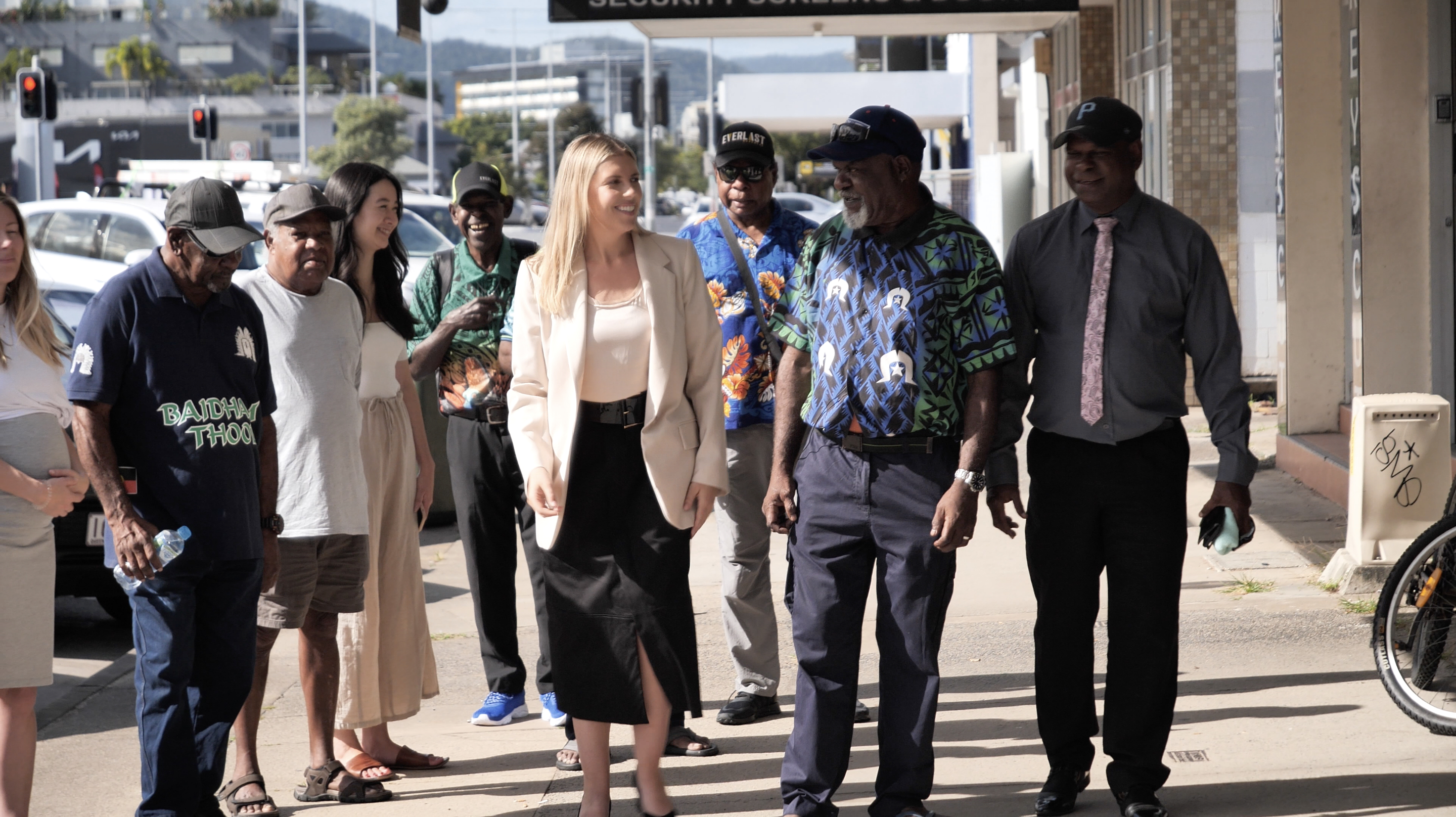
The case has held on-Country hearings on Badu, Boigu and Saibai islands last year, as well as in Naarm, hearing from experts on the impacts of rising sea levels in the Torres Strait.
Professor David Karoly, a world leader in atmospheric climate science, told the court that global climate change was the greatest threat to the health of the Torres Strait Islands' natural values.
The hearings also heard from locals, who shared their personal and cultural stories, explaining how the impact of climate change was forever altering their way of life.
It is argued that for the peoples of Zenadth Kes (an amalgamation of Torres Strait language names for the four winds that pass through the region), the impact of climate change will both force them from their cultural homes, as well as sever their connection to thousands of years of culture and to the land, sea, sky, and waters, which have been passed down through generations.
"Our message to the Australian government is that we can't wait any more years for climate action to stop our islands from going underwater," Mr Kabai said.
"(We are) using our voice to ask the government to protect our homelands, our communities and our culture from climate change for the future generations to come."
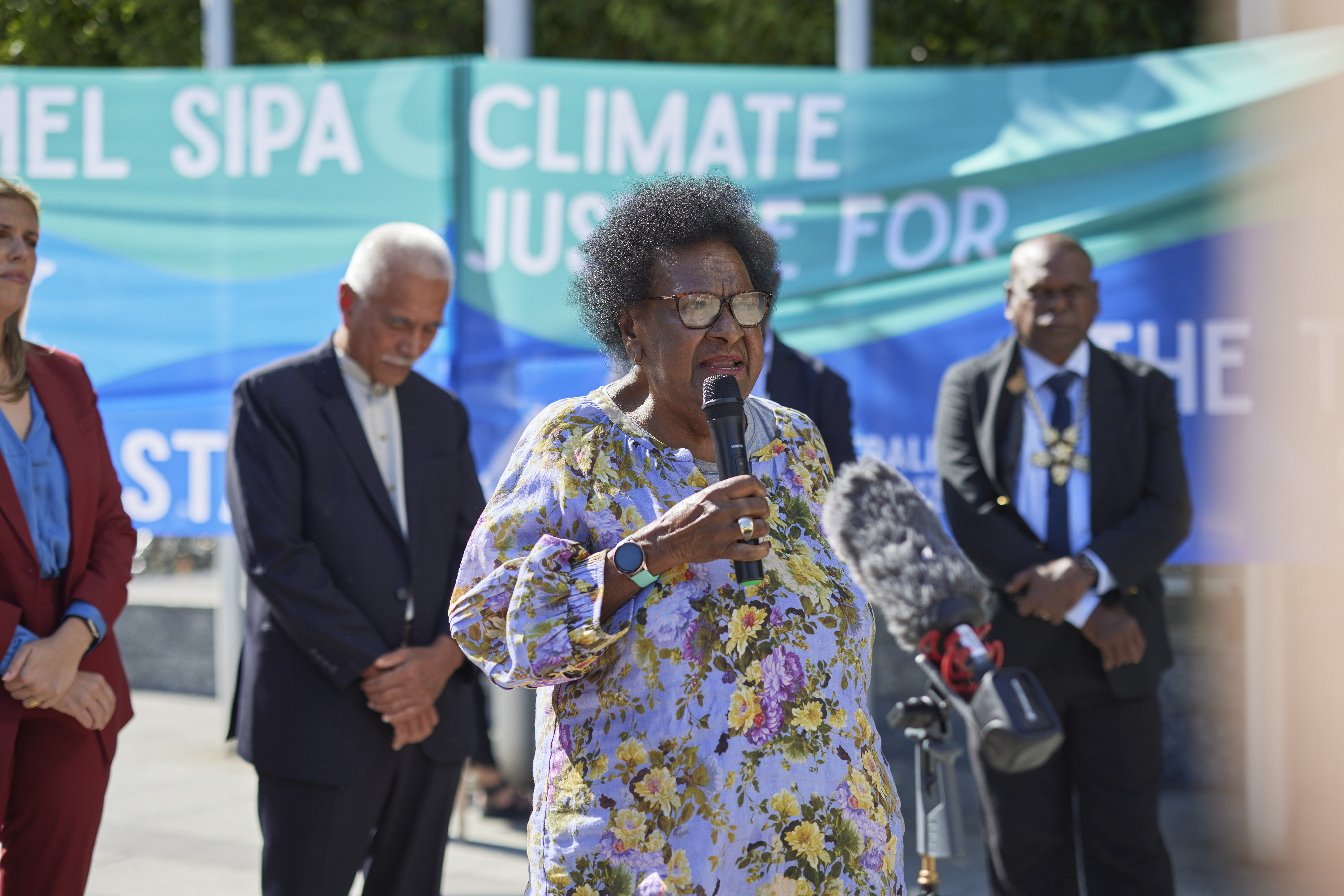
Torres Strait Elder, Dr Aunty McRose Elu, said the community was fighting for its very existence.
"The government has known that they are putting our people and the world in danger for decades, but they won't listen. We know they can be doing so much more to keep us all safe," Dr Elu said.
"We are standing together strong with climate impacted communities from all around Australia. If we walk together in one spirit, one mind, one strength and wisdom, we will find a way forward together. I'm confident that is how we will get there."
During closing arguments, the Commonwealth's legal team are likely to argue the government's current climate policies are adequate, and deny it owes the peoples of Zenadth Kes a duty of care to protect them from climate harm.
The case is modelled on the Urgenda climate case in the Netherlands, where the Urgenda Foundation - who are supporting this case along with the Grata Fund - along with 886 people, took the Dutch government to court for failing to do enough to prevent climate change.
The case, a first of its kind in the world, resulted in the court ordering the Dutch government to immediately take steps to cut greenhouse emissions.
Mr Pabai and Mr Kabai are seeking orders from the court for the federal government to take steps to prevent harm to their communities, including the further cutting of greenhouse emissions.
Currently, the Australian government has a net zero emissions target by 2050, which experts say will not be enough to prevent disaster in the Torres Strait.
Hearings begin Monday, April 29, and a finding from the court is likely before the end of the year.