





The overrepresentation of Indigenous children in the criminal justice system "reflects systemic and structural racial discrimination", the United Nations has said.
Despite making up only 6.5 per cent of children aged 10-17 nationwide, Indigenous children and young people account for 65 per cent of the youth prison population, according to the latest data.
In a scathing statement on Wednesday responding to a complaint lodged by Indigenous international law experts Professor Megan Davis and Associate Professor Hannah McGlade last year, the UN Committee on the Elimination of Racial Discrimination cited the extreme rate of Indigenous young people in prison, racial profiling, over-policing and ill-treatment in detention as evidence of racial discrimination in Australia.
"The Committee expressed grave concern that Indigenous children and communities continue to face racial discrimination in the enjoyment of economic, social and cultural rights, including education, healthcare, social security and housing," the Committee said in a statement.
The Committee noted "racial profiling in law enforcement operations and the over-policing" as evidence of discrimination, along with recently changed laws in several states — namely Victoria and Queensland — which see "harsh adult penalties...applied to Indigenous children — including life imprisonment in some cases".
Both states, along with the NT, have passed legislation eliminating detention as a last resort when sentencing children for some crimes — against the recommendations of the Indigenous deaths in custody royal commission — while children are also regularly held in solitary confinement.
The Committee added it was "gravely concerned" about the reported "inadequate conditions and healthcare services in detention facilities for children, detention of Indigenous children with adults and holding them in solitary confinement for prolonged duration, ill-treatment and the use of spit hoods, and cases of self-harm and suicide by Indigenous children in detention".
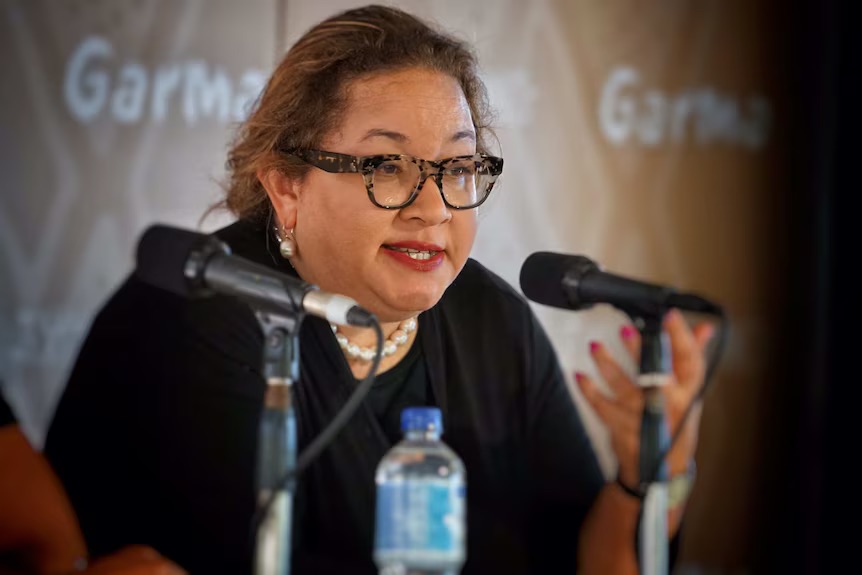
Professor Davis, a former expert member of the UN Permanent Forum on Indigenous Issues and the UN Expert Mechanism on the Rights of Indigenous Peoples, said 50 years after the introduction of the Racial Discrimination Act, Australia continues to ignore its human rights commitments.
As a result, she argued, "our children are paying the price".
"Governments across Australia know that tough on crime approaches in youth justice do not work. Instead of persisting with this approach, they must ensure that the community is safe and the conditions that render Indigenous children vulnerable to offending and reoffending are mitigated," she said.
"This warning from the UN is loud and clear and the time to act is now."
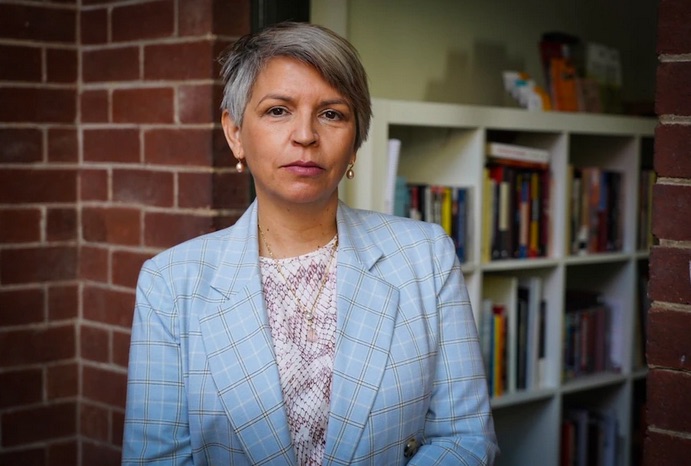
Dr McGlade, an expert member of the UN Permanent Forum for Indigenous Issues, said the Committee's statement "highlights serious violations of the treaty prohibiting race discrimination".
"We say we are a country that condemns racism, yet it is evident that the criminal justice systems and laws are racially discriminatory. The Albanese Government can't simply neglect its obligations under international law," she said.
"We want to see leadership from Prime Minister Albanese, who must lead with integrity and ensure that racism is resoundingly rejected for First Nations children."
Last month, more than 200 lawyers, academics, advocates and Indigenous organisations signed an open letter to Prime Minister Anthony Albanese, urging him to treat the over-incarceration of Aboriginal and Torres Strait Islander children as a national emergency.
In response, a government spokesperson said "only states and territories can set justice policies" and that "where we can, we are working to support early intervention diversion and, importantly, reduce recidivism".
That position appears to contradict legal advice obtained last year by the Justice and Equity Centre from barristers Kate Eastman AM SC and Emma Dunlop, which found the Commonwealth could intervene under section 51(xxix) of the Constitution to meet its international human rights obligations.
The UN Committee called on Australia "to intensify and accelerate its efforts to eliminate racial discrimination against Indigenous children, including its institutional and systemic dimensions, in the administration of criminal justice and to address the persistent overrepresentation of Indigenous children in the criminal justice system."
It also urged Australia to review laws with potentially discriminatory effects, explicitly ban racial profiling by law enforcement, ensure policing is conducted in a non-arbitrary and non-discriminatory manner, and improve detention conditions to meet international standards.