





Since 2021, Chile has celebrated the diversity of its nation through the commemoration of National Indigenous Peoples' Day.
Held on June 20 this year, the date depends on winter solstice in the Southern Hemisphere, which for many Indigenous groups in Chile marks the beginning of a new cycle.
With 11 Indigenous groups existing in Chile, the day provides Chilean's with an opportunity to reflect upon the nation's rich cultural heritage while recognising the hardships which remain for many Indigenous communities who continue to fight for equality.
Speaking to National Indigenous Times at the Fashion and Cultural Exchange hosted by the Australian Embassy in Chile, Atacameño community of Peine president, Sergio Cubillos, explained the significance of the public holiday.
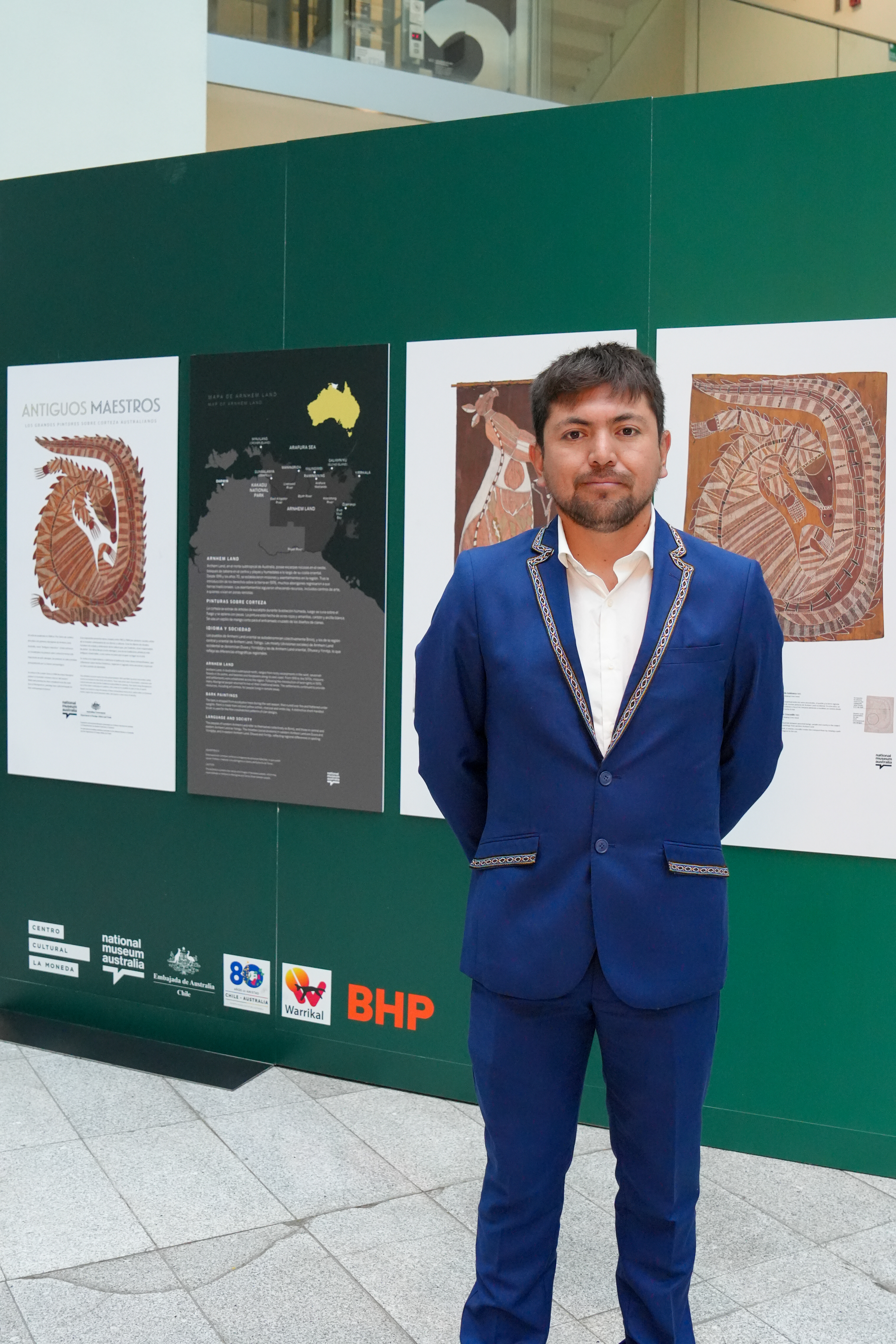
"Well, for us it has a special meaning: the winter solstice marks the beginning of a new year with new renewals, and that's why Chile celebrates the National Day of Indigenous Peoples on that date," he said.
Despite the Congress overwhelmingly approving the Bill - 124 to 1 - in order to legislate the day as a national holiday, Mr Cubillos said more needs to be done to assist Indigenous communities at state level.
Like Australia, the Chilean government sought to amend its constitution through a referendum put to the people - with both resulting in defeat.
"The political world has neither taken that step nor acknowledged the existence of its original peoples," Mr Cubillos said.
"I believe this is a great debt in our country.
"Beyond celebrating the National Day of Indigenous Peoples, there is a historic demand from our peoples to be recognised with their ancestral territorial rights, and I think that will remain until the Constitution is changed."
In 2020, Chileans voted in favour of a new constitution which would replace the one constructed during Augusto Pinochet's dictatorship.
Despite the election of its most progressive leader to date, President Gabriel Boric, 62 per cent of the nation rejected the proposed document when Chileans voted in 2022.
An investigative media organisation in Chile, Ciper, concluded most of those who voted to reject the proposed constitution did so due to the circulation of misinformation, as detailed in the Conversation.
Surveying 20 people across 12 districts of Chile's capital, Santiago, the main reason people voted no was due to fear of having their "property expropriated, scare campaigns about unrestricted abortions and the spectre of Indigenous people having more rights than the rest of the nation," the Conversation wrote.
"With the first plebiscite there was a boom of misinformation," Contexto Factual editor, Valentina Matus, told the Guardian.
"With misinformation getting there first, it's hard to make sure the truth or fact-checking has the same reach.
"Lies about emotional subjects will always outrun efforts to debunk them."
Sharing his reflection after the Kirrikin showcase in Santiago, Mr Cubillos highlighted lessons Chile could draw upon from Australia's approach regarding Indigenous empowerment.
"Over the years we've observed Australian culture, and what we admire most is how they craft public policies for Indigenous peoples - how they empower individuals like Amanda to do their work, and the support the Australian government provides," he said.
"Those are examples Chile should replicate.
"Even though Indigenous peoples aren't constitutionally recognised in Australia, they've advanced policies that foster recognition and bridge the Indigenous world with business."
Mr Cubillos highlighted the powerful intersection of economic enterprise and culture, pointing to Kirrikin as "a clear example that Indigenous peoples can succeed and belong fully in this world".
"Chile should one day follow suit for each of its own peoples," he said.
Acknowledging the history of colonisation and similarities that exist between First Nations people in Chile and Australia, Kirrikin founder Amanda Healey spoke to National Indigenous Times about the importance of the intercultural collaboration, which saw the sharing of business practices, culture and fashion.
"It is a rare opportunity to discuss solutions to similar problems in developing economic stability for our people, along with understanding how they interact with the broader community here in Chile," Ms Healy said.
"Their land management practices are also ancient and considered, and we look forward to hearing more about that too.
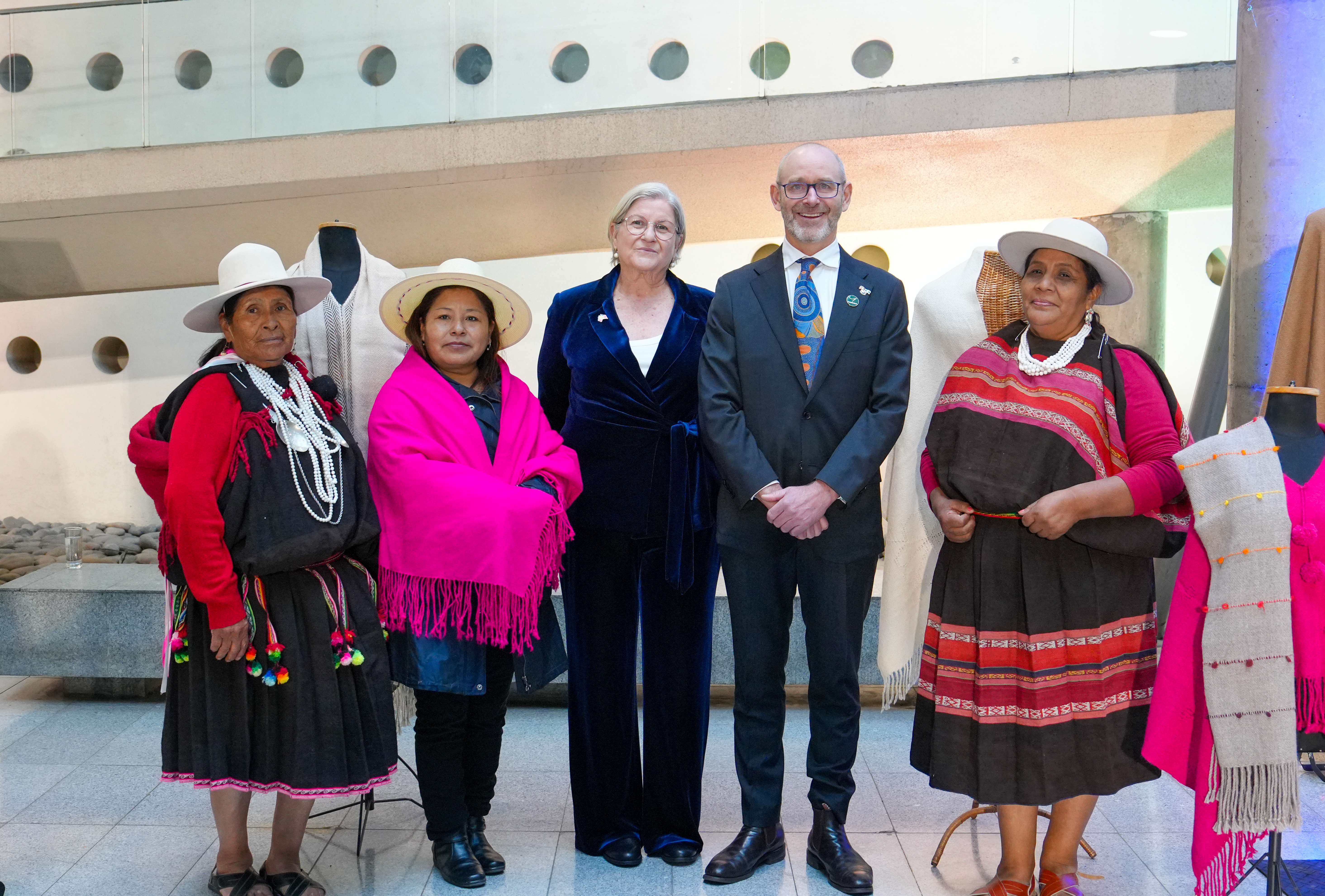
"Their cultural and creative practices are similar to ours - with different outcomes due to different available materials, but we share more in common than in contrast.
"I think the most important lesson we can share is that we are capable of anything.
"It is also great for all First Nations people around the world to connect and understand what others are doing, creating strong networks and knowledge sharing can not be underestimated for the future of our Mob."
Warrikal sponsored Style Up's attendance at the historic Indigenous cultural exchange.