




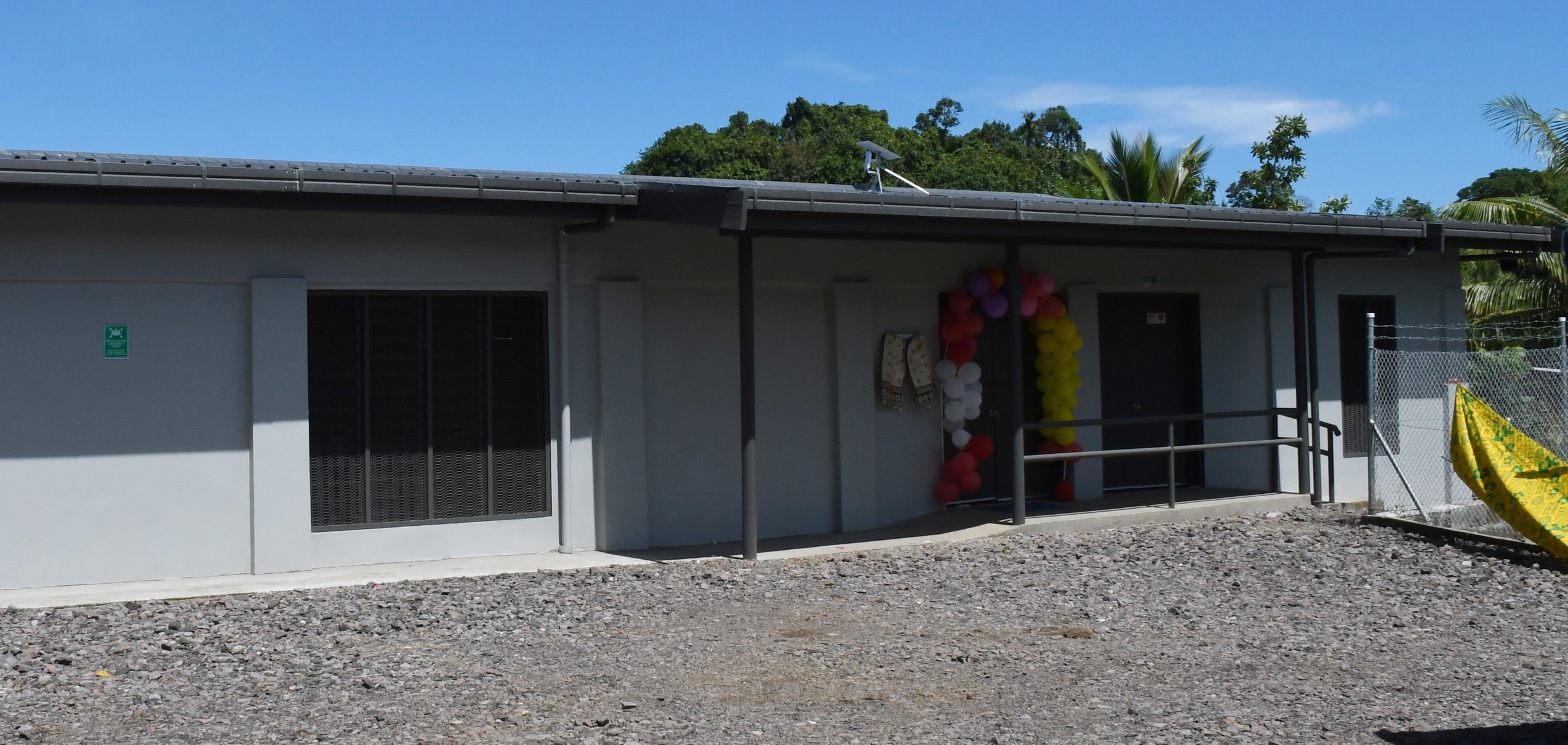
A new multipurpose evacuation centre in Fiji has been commissioned for Maumi Village in Bau, Tailevu to provide shelter during cyclones, floods and other emergencies.
The facility is intended to provide a safer option for a community described as vulnerable to extreme weather events and climate-related hazards.
Outside of disasters, the centre is expected to function as a community space for meetings and livelihood activities.
Minister for Rural and Maritime Development and Disaster Management, Sakiasi Ditoka, said the centre was designed as long-term safety infrastructure rather than a standalone build.
"This centre embodies our shared vision for safer, stronger, and more empowered rural communities," he said.
"It is not only a place of shelter during emergencies, but a long-term investment in preparedness, dignity, and community resilience."
The project was funded by the Korea International Cooperation Agency (KOICA) and implemented through the International Organisation for Migration (IOM) Fiji.
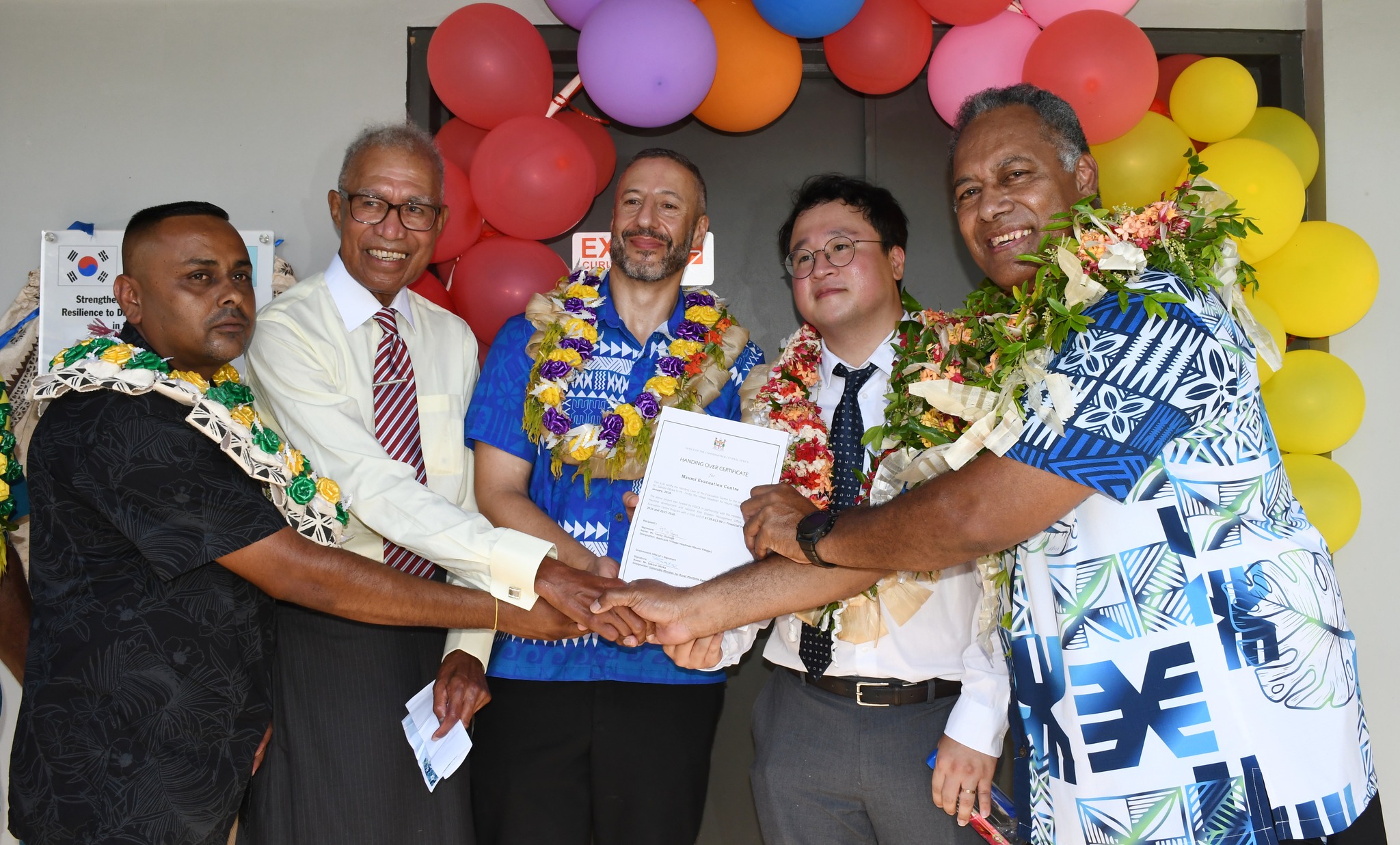
Delivery was coordinated with the Ministry of Rural and Maritime Development and Disaster Management and the Fiji National Disaster Risk Management Office.
Project information put the construction value at $739,023, with the build completed by Chands Mega Home Investment.
The centre is expected to serve approximately 42 households, with an estimated population of 156 people.
The facility is intended to support immediate shelter needs while also improving how the village coordinates during an emergency.
It will operate as a secure gathering point where families can reunite and access assistance when services are disrupted.
Mr Ditoka said evacuation centres are essential public safety infrastructure for rural communities.
"Evacuation centres are no longer a luxury... They are a necessity," he said.
"This facility ensures that when disaster strikes, families have a secure place to reunite, access emergency support, and protect the most vulnerable members of the community."
Mr Ditoka thanked the Vanua and people of Maumi for their patience and cooperation during the project, and urged the village to care for the centre as a shared resource.
Maumi Village Headman, Jone Lacarua, said the community has faced ongoing exposure to storm surges and had lacked a dedicated evacuation centre.
"In the past, villagers sought shelter in churches, and evacuations were especially challenging for persons with disabilities due to the close proximity of houses," he said.
The new centre is expected to change how the village responds when storm surges and severe weather threaten homes.
"This evacuation centre gives our villagers peace of mind, knowing that we now have a safe place to seek refuge during disasters," Mr Lacarua said.
"It will protect our children, women, the elderly, and persons with disabilities when times are most difficult."

Capacity-building training on evacuation centre management and ownership was also delivered, with the intention that the facility is maintained and managed by the community.
The training is intended to support day-to-day upkeep and ensure the facility can be activated quickly when warnings are issued.
"This centre belongs to the people of Maumi," Mr Ditoka said.
"Protect it, use it wisely, and let it stand as a symbol of your resilience and readiness for the challenges ahead."
The project partners said the build reflects a partnership approach, with KOICA funding and IOM Fiji working alongside government agencies and the Vanua.
The commissioning was positioned as part of broader efforts to strengthen disaster resilience for rural and maritime communities facing increasing climate hazards.