




Heavy rain across Fiji's Western Division has renewed scrutiny of flood-protection systems, with several crossings and road sections closed as wet season conditions continue to intensify.
Communities in Rakiraki, Lautoka, Ba, Tavua and Ra have experienced significant disruption as water moved through low-lying areas, limiting access to key transport routes and affecting daily travel across the region.
These conditions have again drawn attention to drainage networks that struggle during extended periods of rainfall.
The Ministry of Agriculture and Waterways outlined its current response to these pressures during a site visit to major drainage works in Ba.
Assistant Minister Inosi Kuridrani inspected the 10-kilometre drain at Natalacake, one of the region's key waterways designed to manage heavy rainfall during the wet season.
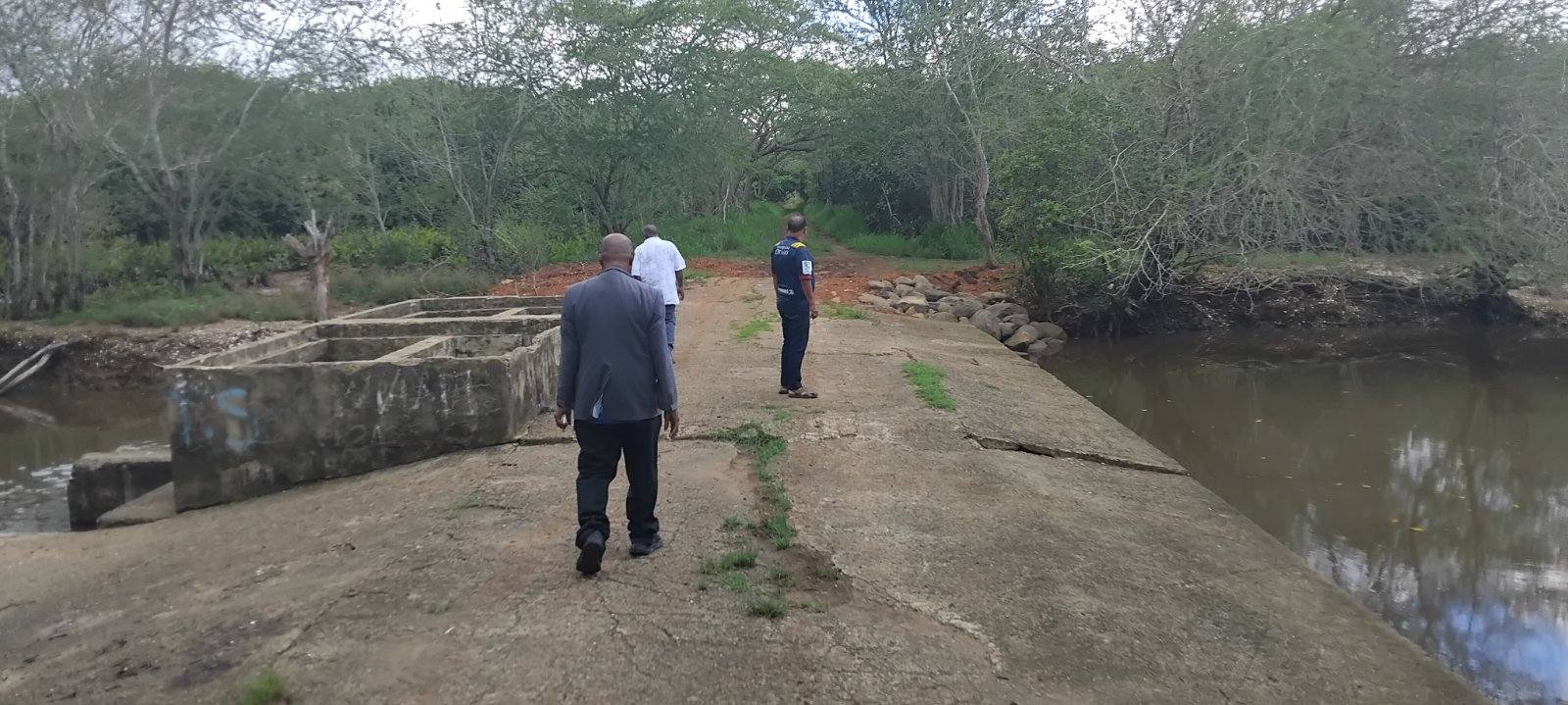
Mr Kuridrani said the project reflects the Ministry's focus on building reliable systems that support communities affected by frequent rain.
"It is an impressive example of quality engineering that demonstrates durability and sustainability," he said.
He said the Ministry aims to ensure drainage infrastructure operates effectively during extended periods of bad weather.
Mr Kuridrani said consistent checks are necessary to keep flood-control works functioning and reduce the impact of sudden rainfall.
He highlighted the role of Waterways Field Officers in keeping drains clear, removing debris from bridges and ensuring floodgates remain functional.
"Drainage systems are vital to protecting our people, our farms, and our livelihoods and we must ensure that every investment continues to deliver real results for the communities it serves," he said.
Mr Kuridrani called for increased monitoring during construction and after significant rainfall.
"We cannot afford to be complacent," he said.
"I call on our Waterways Field Officers to intensify monitoring during construction and after every flood or heavy rain.
"Together with our communities, we can build durable and effective drainage systems that protect lives, farms, and livelihoods."
He encouraged communities to report drainage issues quickly so problems can be addressed before water levels rise further.
Regular checks are especially important during the wet season, as even minor blockages can cause water to accumulate across roads and farms.
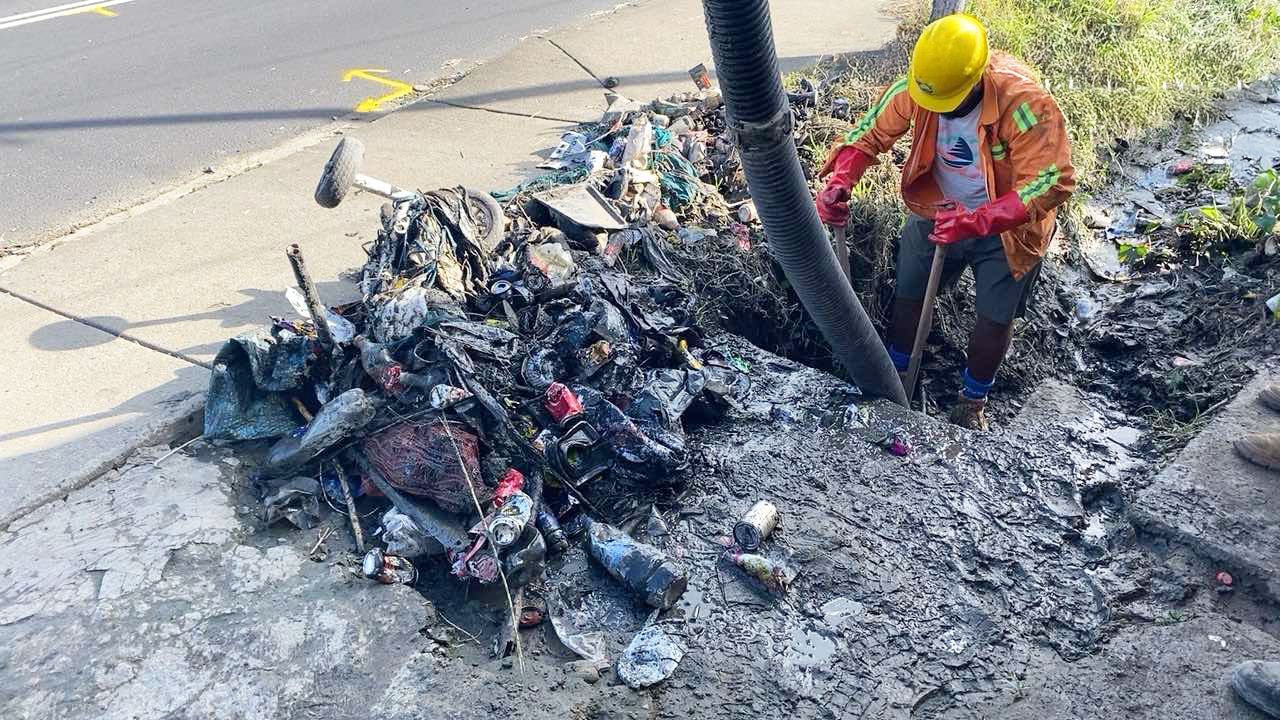
When debris is not cleared in time, surface water spreads more widely, increasing disruption and adding pressure to emergency response teams already managing local hazards.
Last week's rain has reinforced the need for early action, with several areas becoming inaccessible after surface water spread across low-lying sections of the Western Division.
Authorities have advised motorists to exercise caution as the wet season continues across Fiji.
The cyclone period has added to the concern, with forecasts indicating two tropical cyclones may enter the region, including one with the potential to intensify.
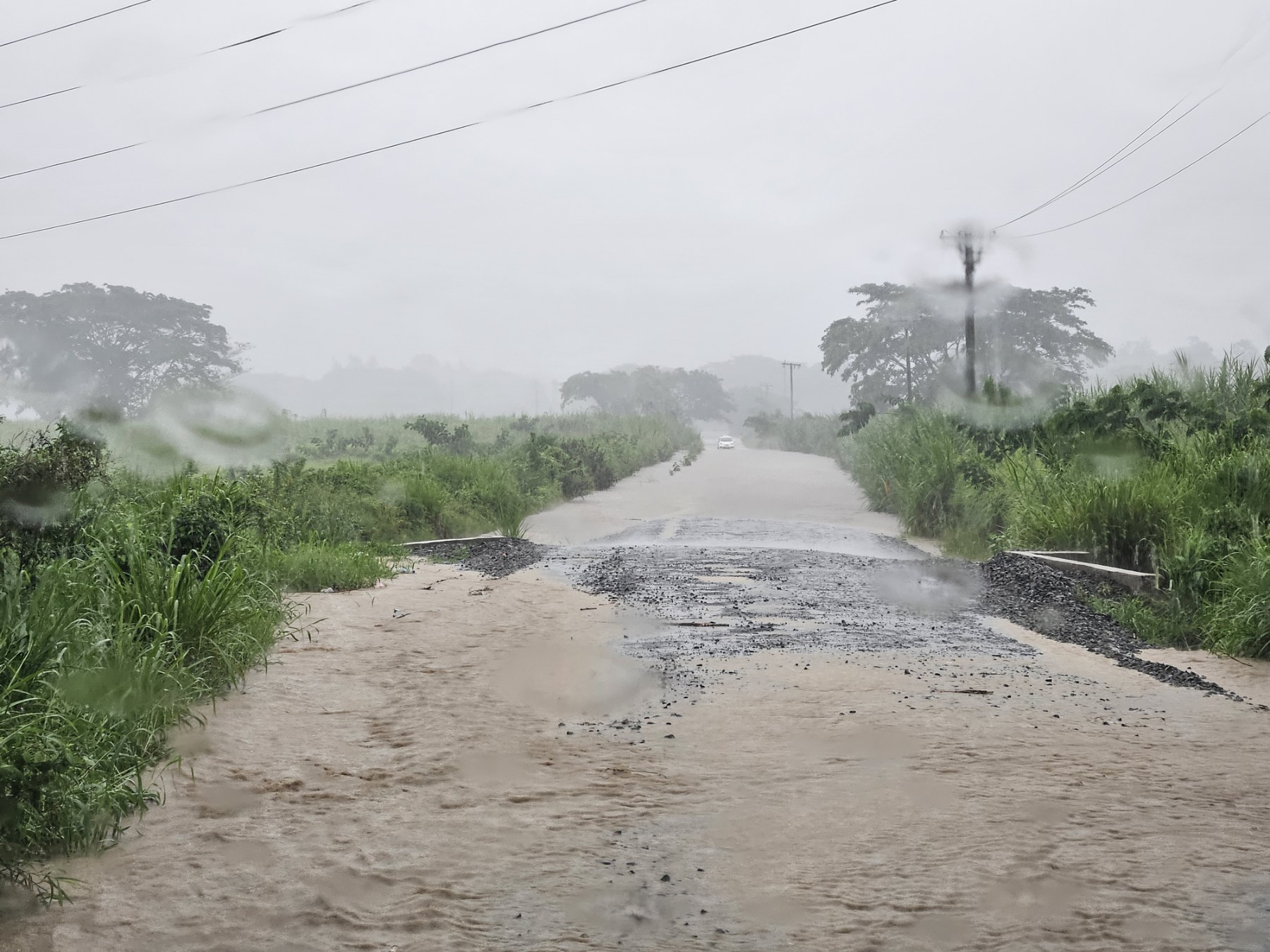
These conditions have prompted government agencies to step up preparations and review the capacity of existing drainage systems.
Municipal councils have been encouraged to clear drains and take early steps to reduce flash flooding, reflecting a broader shift toward more proactive management ahead of forecast rain.
The Ministry of Local Government has acknowledged ongoing difficulties in some urban centres and said targeted work is underway to address drainage issues.
Coordination between agencies has become a central part of the seasonal response, with teams aligning inspections, repairs and work plans to avoid delays.
The Ministry of Agriculture and Waterways is maintaining close coordination with engineers, field officers and community groups to manage the effects of the wet season.
Stronger waterways, routine inspections and cooperation with residents remain central to reducing the impact of rapid rainfall.
This work supports farmers, households and local businesses affected by weather conditions that continue to disrupt transport routes, damage crops and create hazards across the Western Division.
The focus on drainage and monitoring will remain in place as Fiji moves through the wet season and prepares for possible cyclones.