





A court case involving three Indigenous land defenders, criminalised for their efforts to protect the unceded ancestral territory of the Wet'suwet'en Nation, recently reached a pivotal moment as closing arguments concluded in Smithers, British Columbia.
The B.C. Supreme Court will now decide on the abuse-of-process case, whether the Royal Canadian Mounted Police (RCMP) used excessive force during the arrests of the land defenders, violating their human rights.
If the court agrees, the defenders' previous criminal contempt convictions could be overturned.
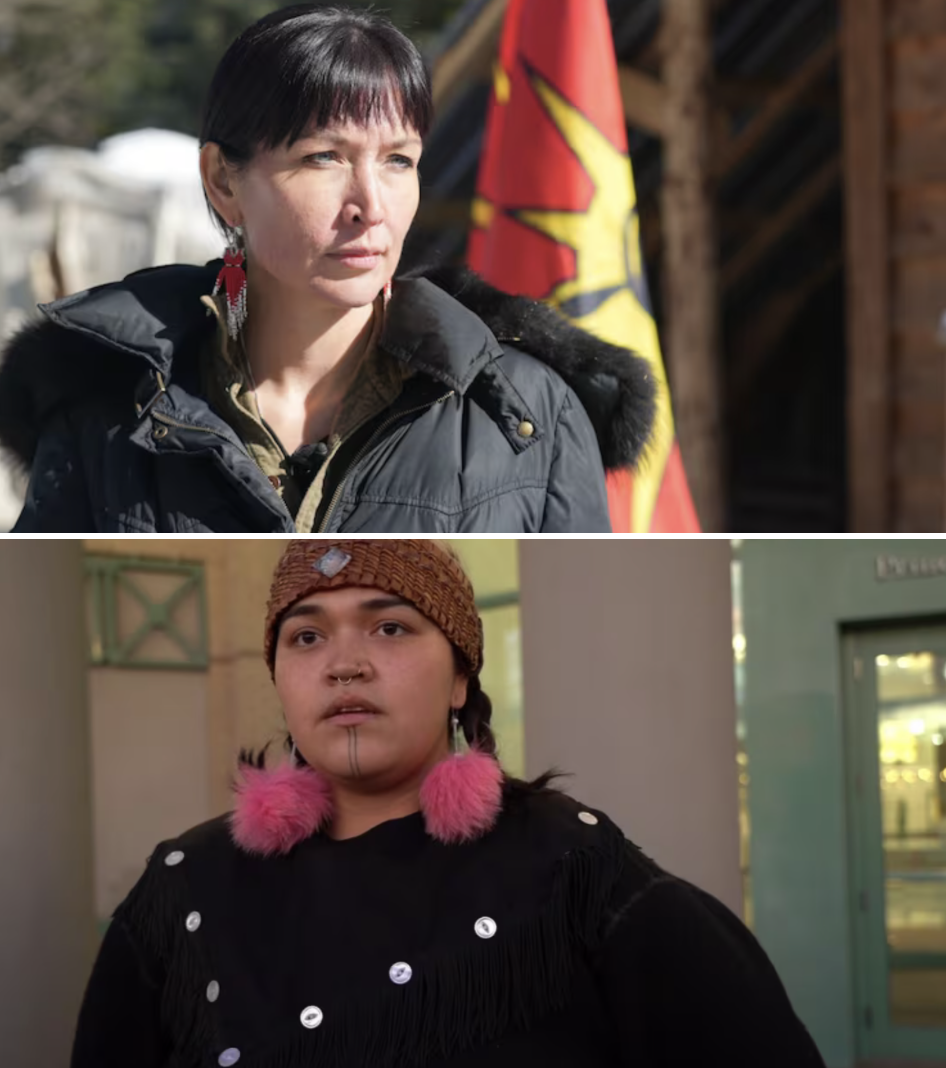
The Wet'suwet'en court case includes wing chief of the Gidimt'en clan Sleydo' (Molly Wickam), Gitxsan women with Wet'suwet'en family connection, Shaylynn Sampson and Mohawk man from Akwesasne Corey Jayohcee.
All three were arrested in a violent RCMP raid in November 2021 for allegedly breaking an injunction related to the coastal gasLink (CGL) pipeline.
Amnesty International says the injunction unfairly limits the rights of the land defenders and the Wet'suwet'en nation.
The organisation is keeping a close watch on the case and may declare the defenders "prisoners of conscience" if they are sentenced to jail or house arrest, after reviewing the judgments.
Amnesty International Canada (English Speaking) secretary general, Ketty Nivyabandi, said Canada's criminalisation of Wet'suwet'en land defenders harms its human rights reputation and reconciliation efforts.
They deserve solidarity, not a criminal sentence, for protecting their territory and our shared right to a healthy environment, Ms Nivyabandi says.
Amnistie internationale Canada francophone executive director, France-Islabelle Langlois, criticised B.C's actions as irresponsible during a climate crisis and contrary to its commitment to the UN declaration on the rights of Indigenous peoples.
The Wet'suwet'en Land Defenders is one of nine cases selected for this year's Write for Rights campaign.
Each year, around international human rights day on December 10, Amnesty International supporters from all over the world write letters, emails and social media posts to support individuals at risk.
This is only the second time a Canadian-focused case has been selected for Amnesty International's global Write for Rights campaign.
Earlier this year, Amnesty International declared Chief Dsta'hly (Adam Ganon), a Wet'suwet'en land defender, as Canada's first prisoner of conscience.
Chief Dsta'hyl, a wing Chief of the Likt'samisyu clan was arrested in 2021 and found guilty of breaking the same injunction. He was sentenced to 60 days to house arrest.
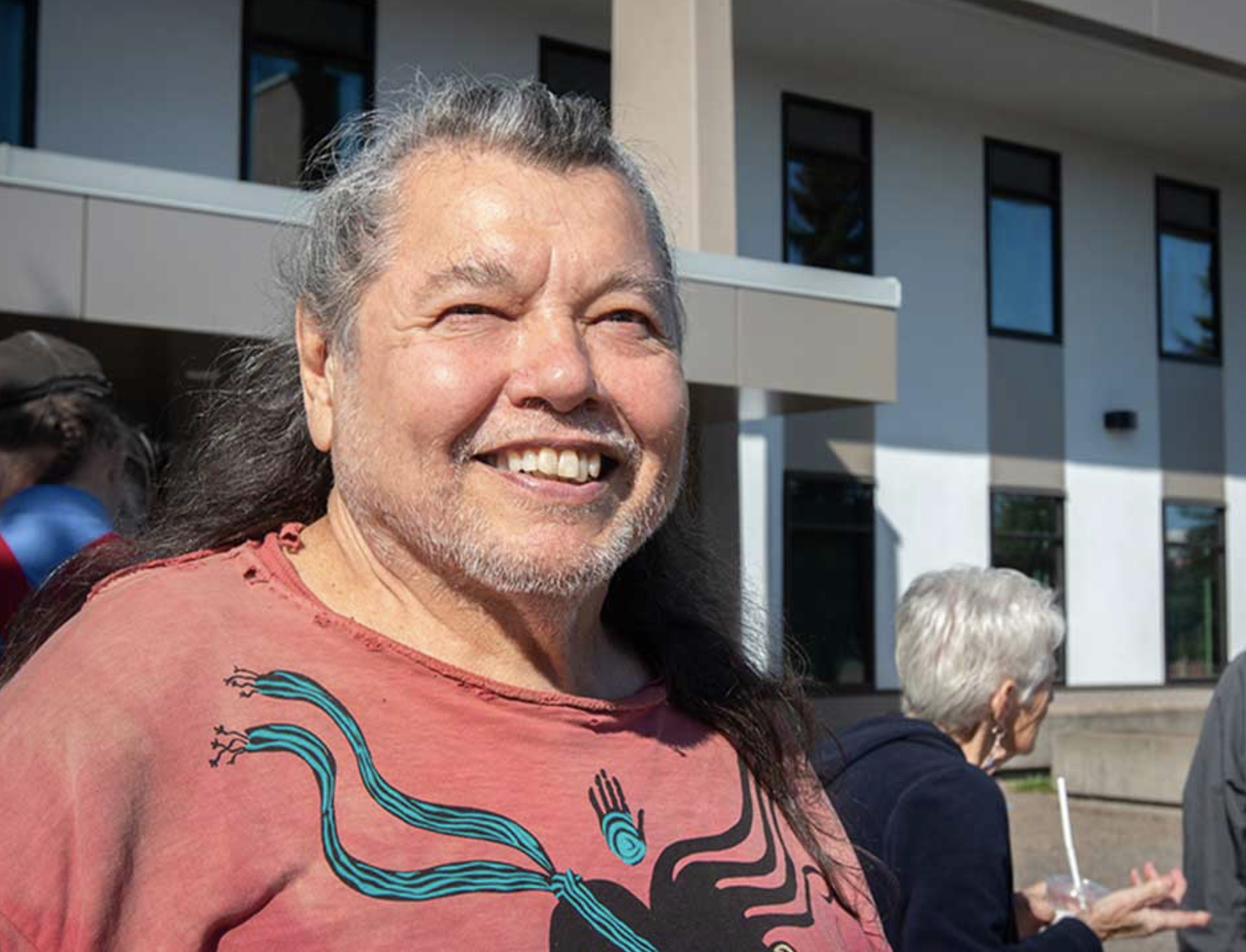
While serving his sentence on Wet'suwet'en territory, Chief Dsta'hyl said he's been convicted of protecting his own land while Wet'suwet'en laws have been sidelined.
"The end goal for us in this struggle is the recognition of Wet'suwet'en law in Canada, and it's unfortunate that the Crown is digging in their heels instead. This fight has been going on for 240 years," Chief Dsta'hyl said.
"We have been incarcerated on the reserves where they have turned us into 'Status Indians.' Now, we are all 'prisoners of conscience' because of what the colonizers have done to us."
Wet'suwet'en land defenders have an extensive history of alleged unlawful surveillance, intimidation, and harassment in their struggle to protect their ancestral lands from the construction of the CGL liquefied natural gas pipeline.
Construction of the pipeline has proceeded without the free, prior, and informed consent of the Wet'suwet'en Hereditary Chiefs, on behalf of their clans, in violation of international human rights law and standards, including the UN Declaration on the Rights of Indigenous Peoples.
The ruling of Ms Wickam, Ms Sampson and Mr Jayohcee is expected to be handed down on 18 February 2025.