




As part of a trip funded by the United States Government, I had the fortune to recently visit the National Museum of the American Indian (NMAI) in Washington, D.C.
When the NMAI was first envisaged in 1989 it was, in part, a response to the distress and significant concern that the US Government held the remains of more than 18,000 Native American Indians. It took decades and the building as it stands today wasn't opened until 2004, but it has been a source of much angst in the Native American community ever since.
There has been much criticism of the NMAI, particularly from Native American people, that the museum doesn't do justice to the historic injustices, or to the current issues facing the people of 574 tribes that make up Native American tribes and Alaskan Native entities.
Jacki Thompson Rand, from the Choctaw Nation of Oklahoma, believes that the NMAI "…represents a lost opportunity to integrate American Indians into the national consciousness."
"It represents a betrayal of our trust that this museum would be the Natives' museum. In place of the stories of the Native past, it focuses on arts, culture, and commerce—the stuff of commodification," Mr Rand said.
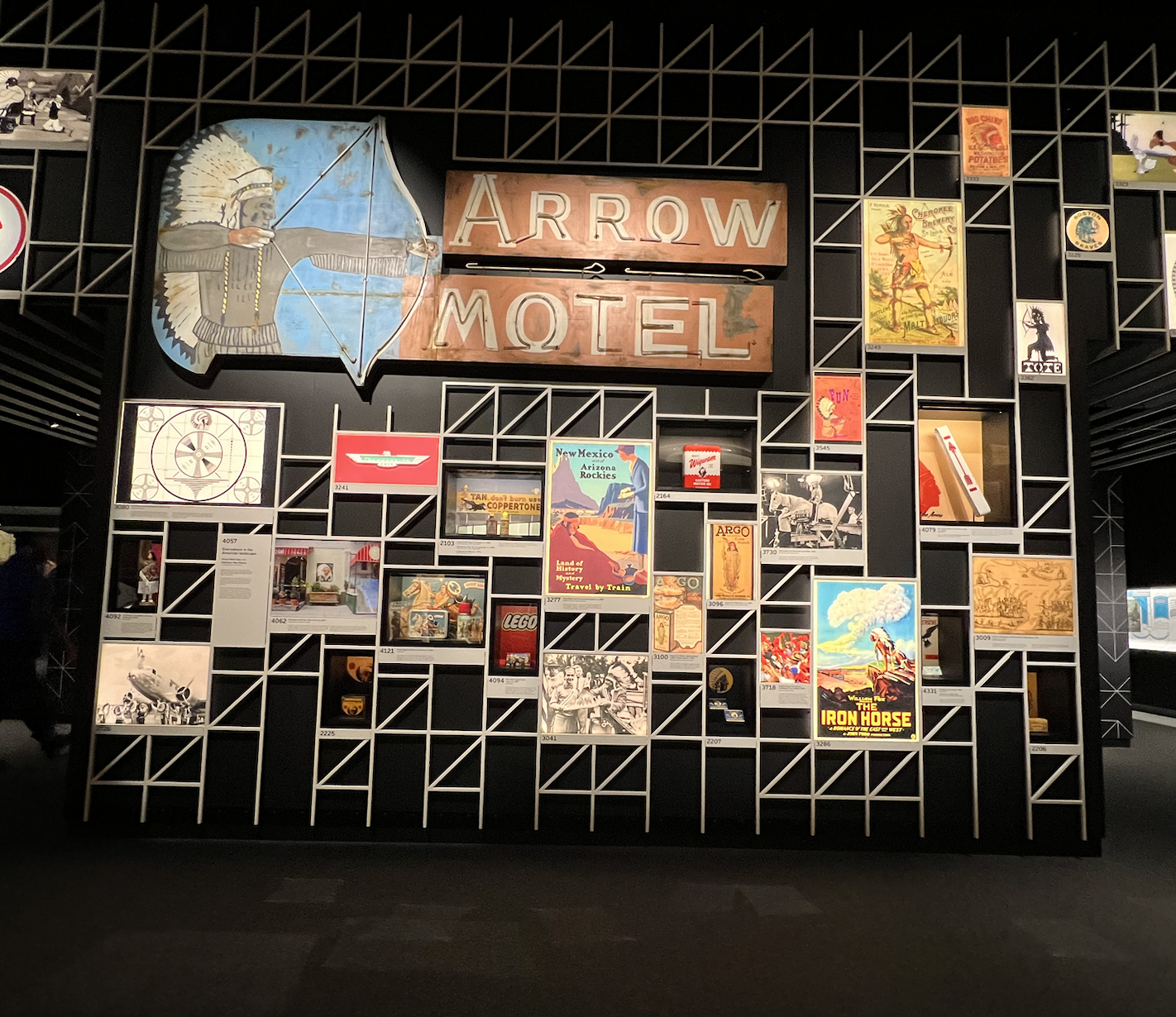
There is no doubt that the concept of the NMAI, as indeed the planned Aboriginal Cultural Centre, is a noble vision but its execution is no easy task.
"We've been trying to educate the visitors for five hundred years; how long will it take to educate the visitors?" came a comment from one of the elderly Native women during the NMAI consultation sessions held between 1989 and 1994.
There is much the NMAI gets right. Its symbolism, its design, the integration of a Veterans Memorial (something still missing in Western Australia) and the fact that surrounding the site is a simulated wetland and American equivalent of bush tucker used to supply the cafeteria serving native food.
But there are also a lot of lessons we need to heed to get the announced Aboriginal Cultural Centre in Western Australia right.
How do we make sure that unlike the criticisms levelled at the NMAI, we don't seek to avoid confrontational history or become, to quote Jacki Rand, an "elite enclave, divorced from reality"?
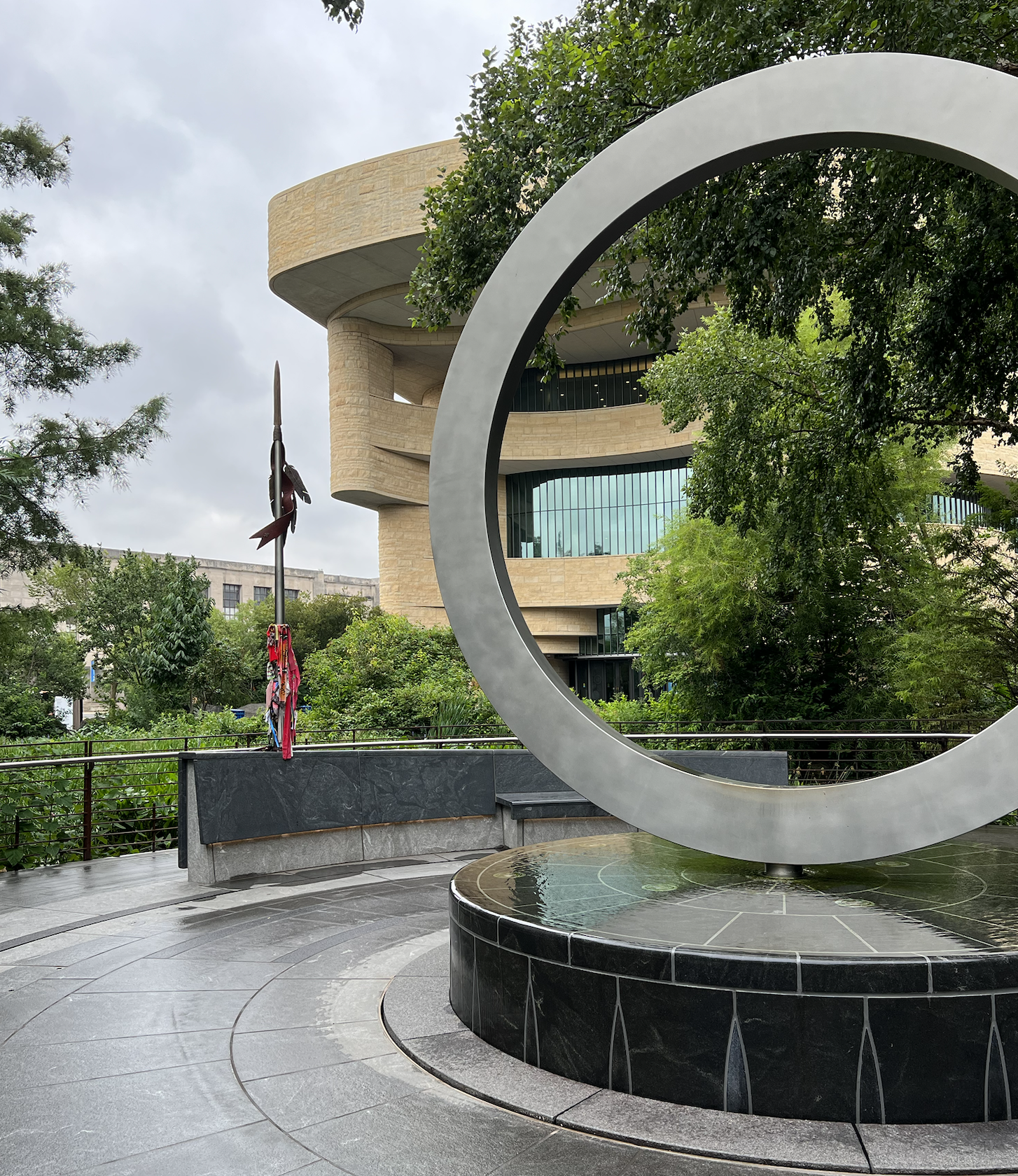
I remain incredibly proud that WA has the opportunity to lead the nation in the development of a Cultural Centre honouring our First Nations people. In part, it is a credit, frankly, to the state and federal Labor Governments, and the Member of Perth Patrick Gorman, that it will be built on the banks of the Derbarl Yerrigan / Swan River and not Lake Burley Griffin in Canberra. It will be a truly national reflection of our Indigenous culture, history and future.
Similarly, I am in genuine awe of the Aboriginal people who are involved in the development of the Cultural Centre concept, but that doesn't mean we can't still learn from our brothers and sisters in North America.
The more I understand Native American history there is an ever-increasing overlap in the experience of Indigenous Australians.
Not just in that we were colonised, but in a more contemporary sense as well we face many of the same social and economic challenges.
With respect to the NMAI, it was designed, built and operated by Native Americans. It started off as a reaction that there needed to be a place which honoured Native American history and that it should involve as many Tribes as possible.
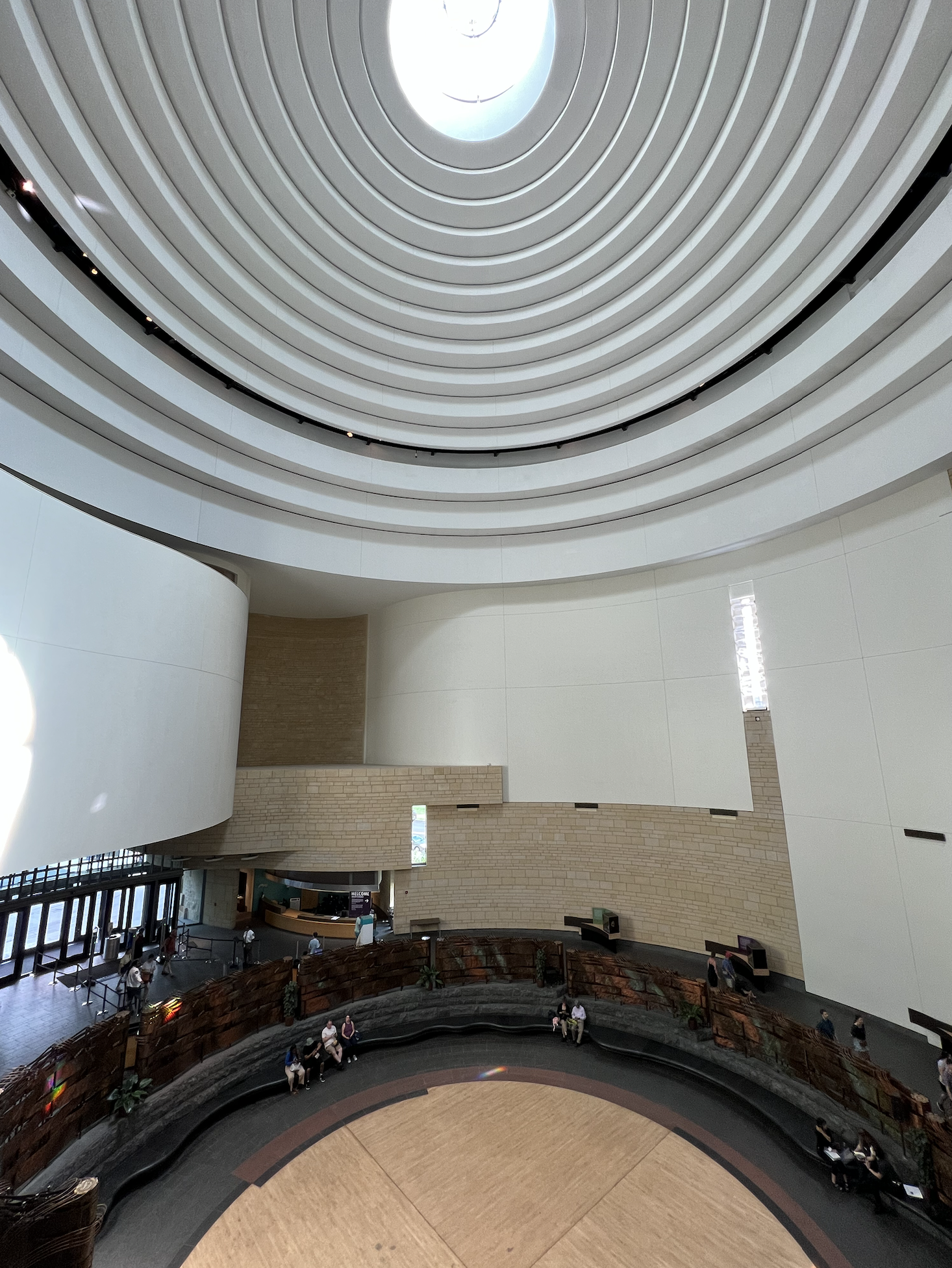
We've started on a similar path in WA. Over 900 Aboriginal people have been part of the consultation and in July there was been a bolstering of the development's standing committee with experienced and trusted Aboriginal leaders to help usher it through to completion and operation.
It would be wise of us to look to the Native American experience in building and operating their museum to better inform how we might go about establishing our own Aboriginal Cultural Centre if it is to be a truly national place of reverence and recognition. It follows in the footsteps of institutions like the National Gallery in Victoria in that it tells a story of all of us, regardless of where it is built.
If we are to properly honour not just the struggles of the past but build a scaffolding of better understanding for the future, then I hope the Centre gets not just the funding but the space and time to get this right.
The NMAI may have its criticisms, but it is still an exceptional museum.
For our the Aboriginal Cultural Centre in WA, we have an opportunity to learn from the Americans and build something that is not only a legacy but leaves an imprint of understanding and reconciliation on each visitor for the betterment of not just their education but our country as a whole.