





What's the first thing that comes to your mind when you hear the term 'starlight tour'?
Is it the beautiful night sky that is home to celestial objects like stars, planets and the Moon? If so, count yourself lucky.
That term, starlight tour, are two words that mean fear and often death to Indigenous men in Saskatoon, Canada.
Indigenous men were picked up by police and others, and taken outside the city in sub-zero temperatures and left there far from home.
They often have their clothing taken away as well, further exposing them to the elements. These acts go way back, with the earliest documented case in 1976.
Cree man Darrell Night was known amongst his community for helping expose the practice of police leaving Indigenous men to freeze to death in isolated areas.
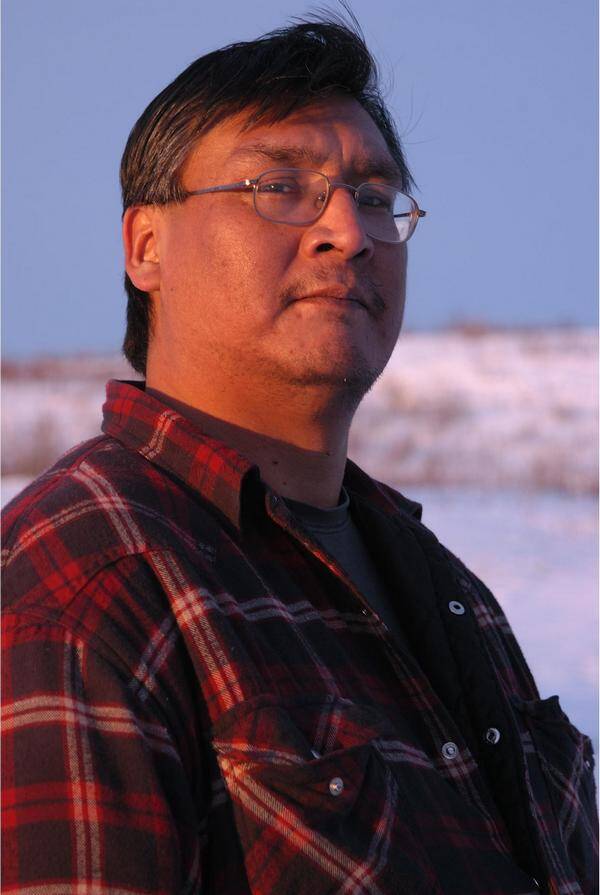
20 years ago Mr Night was a victim of a 'starlight tour'. On one freezing cold evening he was leaving a party when he was picked up by the police.
Mr Night had been drinking but he knew what he had fallen victim to when the police drove him to the edge of the city.
For years he had heard stories of the 'starlight tours', in which the police abandoned Indigenous people in the freezing cold.
"I thought I was dead. All those rumours I heard in the past they were all coming true," Mr Night told the majers of documentary Two Worlds Colliding.
"I told them 'I'll freeze to death out here, you guys'…The driver said: 'That's your f-ing problem'...and then they drove away."
Mr Night found himself battling the freezing temperature that hit around -25C with the only thing to keep warm a light denim jacket on that evening in January 2000.
He credited his survival with being familiar with the location where he'd been abandoned.
Mr Night found a nearby power plant and pounded on the door in a desperate attempt to get help.
Although Mr Night was lucky enough to survive the terrifying starlight tour experience, some weren't.
The next day 25-year-old Rodney Naistus was found frozen to death not far from the same power plant.
Mr Night and his uncle had heard about Mr Naistus' death and they instantly saw the similarities, they decided to question one veteran officer during a traffic stop.
Officer Bruce Ehalt was shocked to hear about the incident from Mr Night and urged him to report to the police service.
However, Mr Night was hesitant to speak up at first, telling Officer Ehalt: "Who's gonna believe me?"
The officer relayed the information to his chief and sparked an investigation.
One day after Mr Naistus' death another body was found at the same site - First Nations university student Lawrenece Wegner, aged 29.
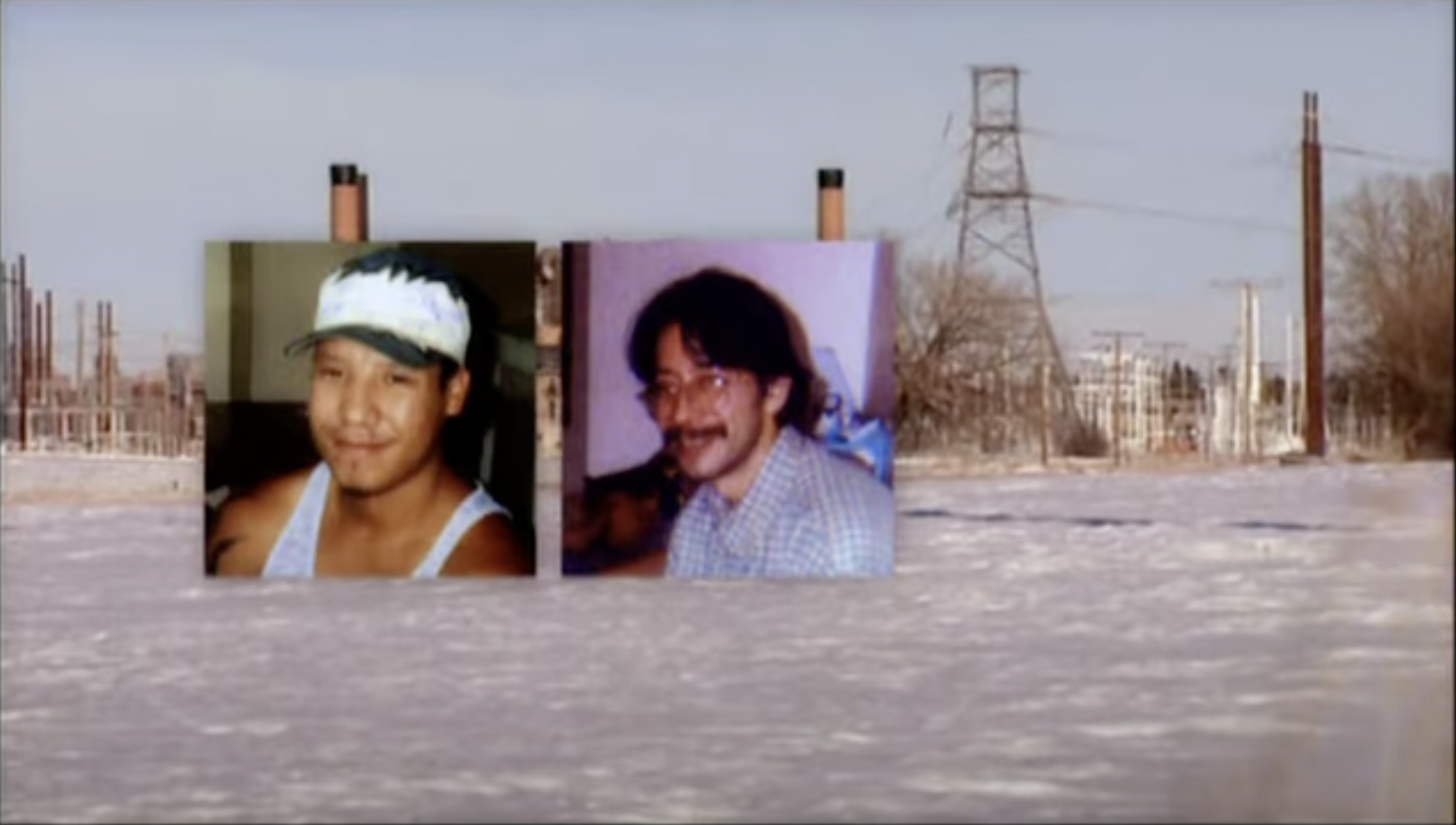
At first Mr Night was scared to trust Officer Ehalt because of the uniform he wore, yet he knew something had to be done.
Their conversation eventually led to an exposé of one of the Canada's worst examples of racism in policing, which strained the public trust in the force and vindicated the deep mistrust Indigenous people held towards the police.
Officers Dan Munson and Ken Hatchen, who abandoned Mr Night that January evening, were later found guilty of unlawful confinement, both were fired and sentenced to six months in jail.
"[They] have given me a different perspective towards the police," Mr Night said in his victim impact statement.
"I have no trust whatsoever towards policemen."
Sadly Mr Night passed away in April this year at the age of 56. The Cree man has been hailed as a selfless figure who exposed the brutality of the police force.
Tasha Hubbard, a professor at the University of Alberta and director of Two Worlds Colliding, said Mr Night's decision to come forward showed "tremendous courage."
"He had real empathy for the men who had died, I think he felt that responsibility to speak up," she told The Guardian.
Mr Night's story shocked non-Indigenous Saskatoon residents two decades ago but for the Indigenous community his story acknowledged their pain and experiences from police.
The movement that was sparked by Mr Night saw many police firings, criminal charges and a public inquest by the Royal Canadian Mounted Police.
It also pressured investigators to revisit the case of Neil Stonechild, a 17-year-old Cree teen who was found dead in a field in the north-west outskirts of Saskatoon in 1990 with the temperature close to -30 degrees.
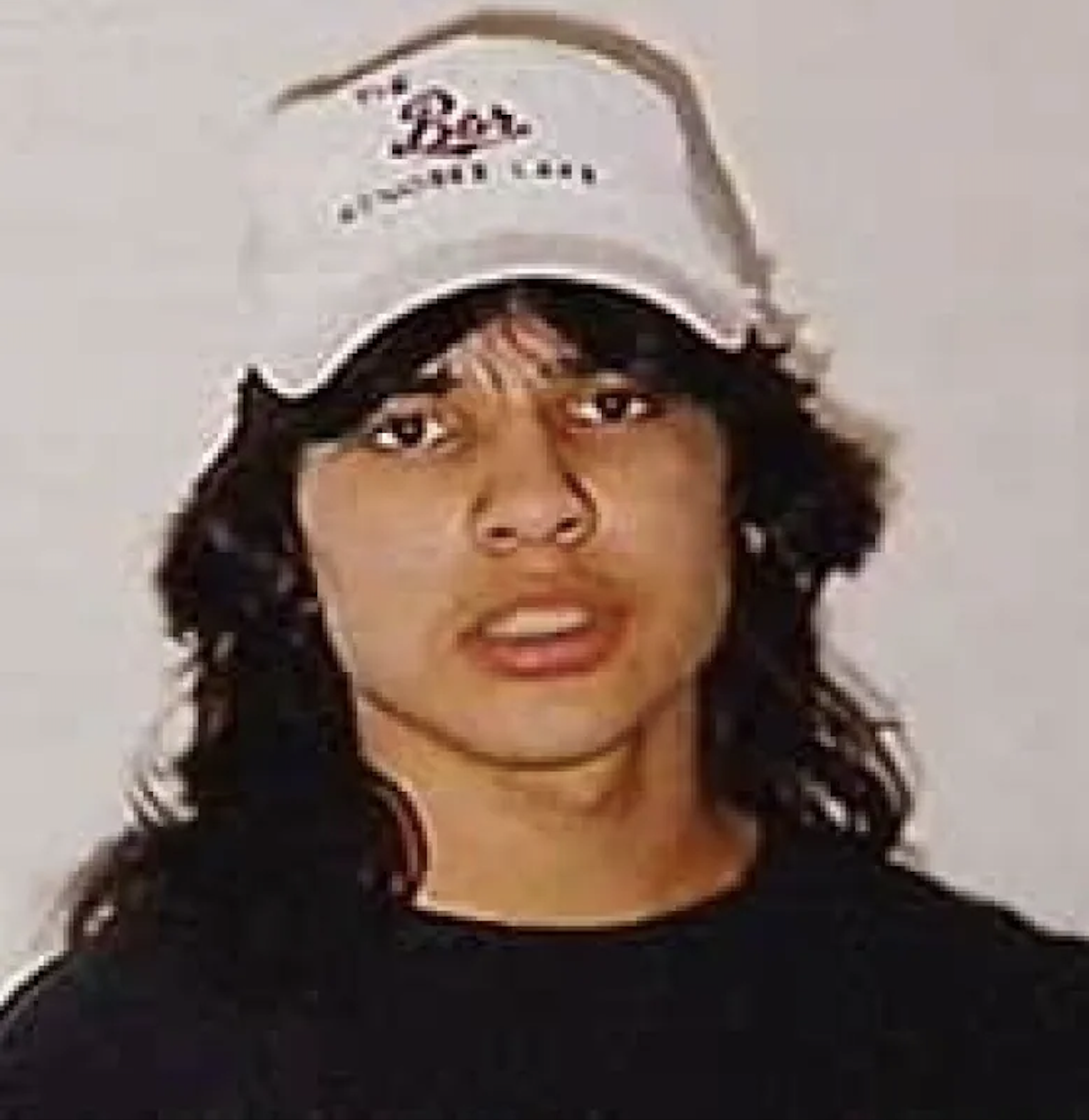
His death at the time was ruled to have no evidence of foul play, but his family claimed the death was never properly investigated.
Although Mr Stonechild was last seen bloody and in a police vehicle, investigators were unable to determine the exact circumstances that led to his death.
Unfortunately to this day the reality of police violence against Indigenous people is still present.
First Nations man Boden Umpherville, 40, was hospitalised in early April after he was tasered, pepper sprayed and beaten with a police baton during an arrest.
His family are now preparing for the heartbreaking decision to turn his life support off and an investigation is underway.
"Darrell Night understood that he wasn't just speaking for himself when he came forward. There was a sense of responsibility for others," said Professor Hubbard.
"And it's a real statement to the legacy of courage he's left us with."
Despite multiple public inquiries into the practices, no Saskatoon police officer has been convicted for a role in the freezing deaths of any Indigenous men.
Almost 22 years later on the deaths of Mr Wegner and Mr Naistus remain unsolved.