




The Fiji Government is set to expand its trash boom program, aiming to cut marine litter which threatens reefs, fisheries and public health.
Eight new installations are planned across priority waterways by early January.
The rollout will focus on litter pathways such as urban creeks, rivers and drainage systems wihch flow into coastal waters.
Permanent Secretary for Environment and Climate Change, Dr Sivendra Michael, said the expansion was focused on stopping pollution before it reached the ocean.
"This is about acting decisively where pollution begins," Dr Michael said.
"Every piece of plastic or waste intercepted in our creeks and rivers is one less threat to our reefs, our fisheries and the health of our people."
The expansion follows a memorandum of understanding with Trashboom Pacific to support technical collaboration, including site assessments and operational guidance.
Dr Michael said the Government was extending an approach already trialled at the first sites.
"We are expanding what has already proven to work," he said.
"The trash booms installed at Nabukalou Creek and Bailey Bridge are delivering clear results, and this next phase builds directly on that success."
Officials will use lessons from those sites to guide placement, maintenance and links to wider waste management systems.
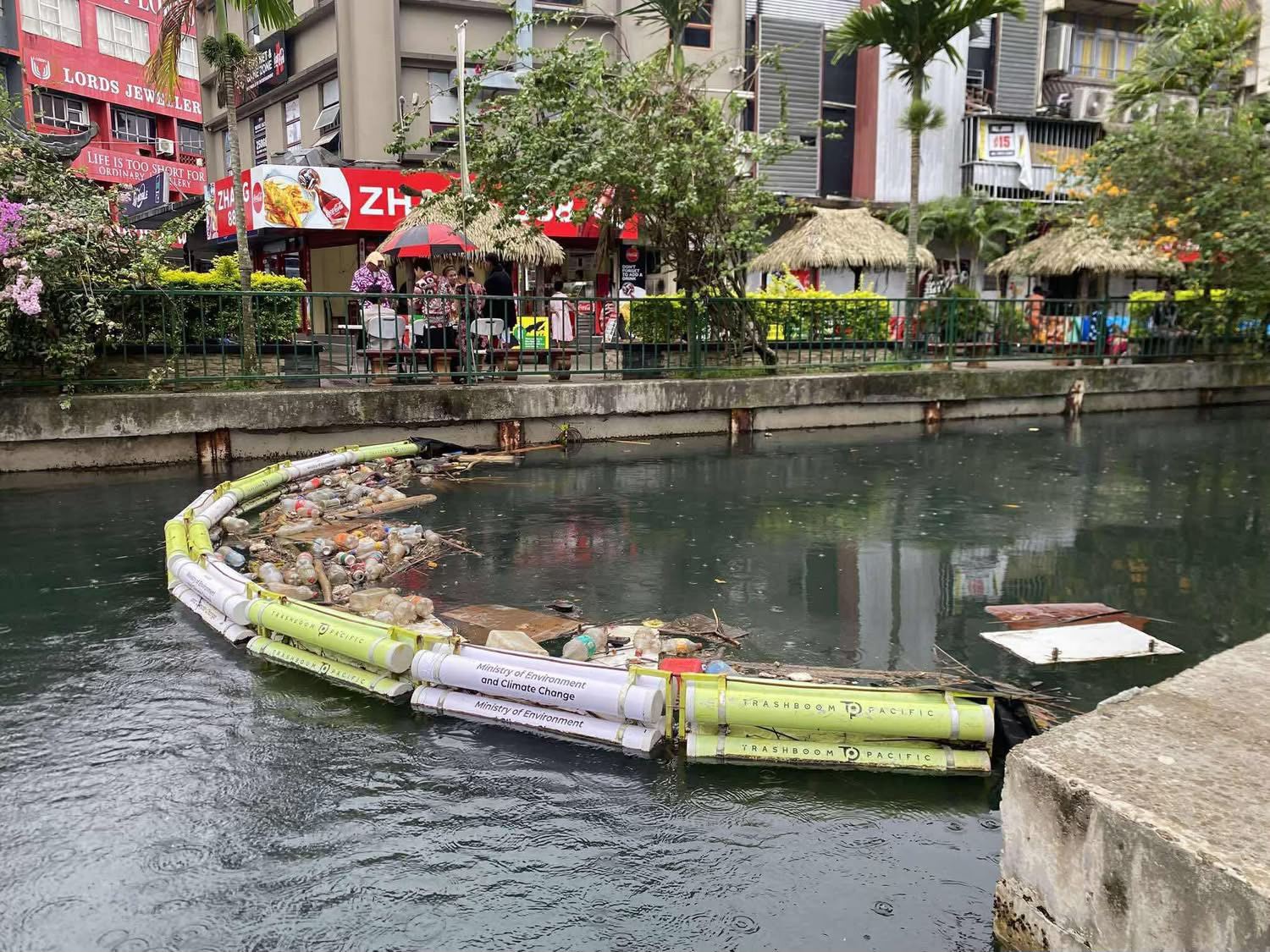
Trash booms operate as floating barriers which capture plastics, rubbish and debris moving downstream.
Collected material is removed and directed to disposal and recycling pathways.
The Ministry said additional locations were identified through litter hotspot mapping and on-the-ground assessments.
Dr Michael said planning for 2026 sites had begun, with studies to guide future installations.
"For every stream, creek or river identified as a hotspot, we are applying proper feasibility checks and impact assessments," he said.
"This ensures long-term environmental outcomes, not short-term fixes."
The Ministry said community participation would continue through clean-ups around trash boom sites.
Dr Michael said volunteers had played a role in maintaining areas near existing installations.
"When people take ownership of their waterways, that is what environmental stewardship looks like in practice," he said.
"Government action is strongest when it is matched by community responsibility."
The Ministry has also urged the public to manage waste responsibly during the festive season as part of its Anti-Litter Campaign.
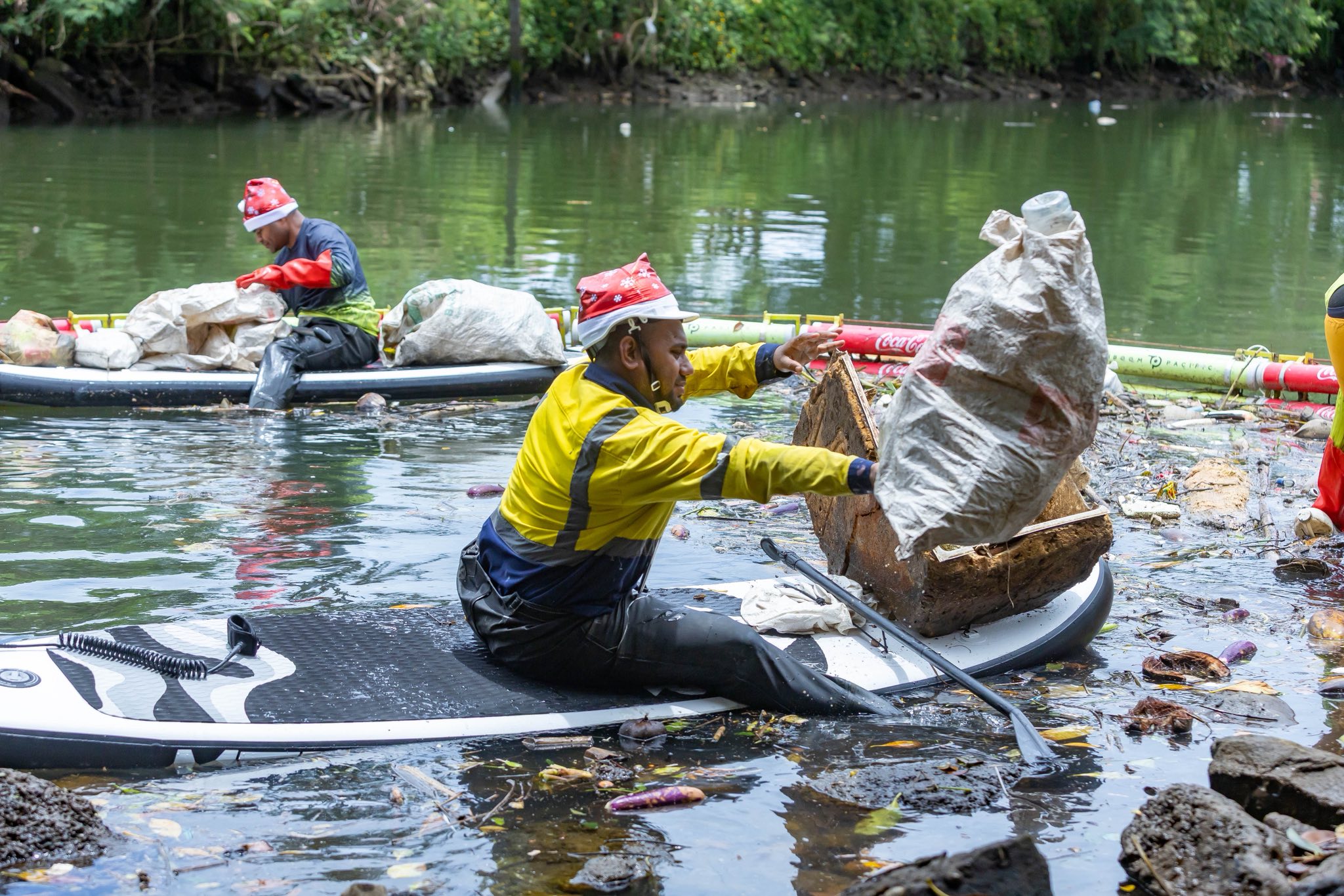
Dr Michael said littering, illegal dumping and waterway pollution threatened ecosystems, public health and community wellbeing.
He said protecting the environment was a shared responsibility.
"Environmental stewardship is a trust placed in all of us as Fijians," he said.
"How we treat our land, our forests and our seas today will determine what we leave behind for our children tomorrow."
The Ministry advised the national Anti-Litter Campaign is a four-year program focused on behaviour change, enforcement and environmental responsibility.
"Every piece of waste disposed of responsibly is an act of respect for Fiji," Dr Michael said.