



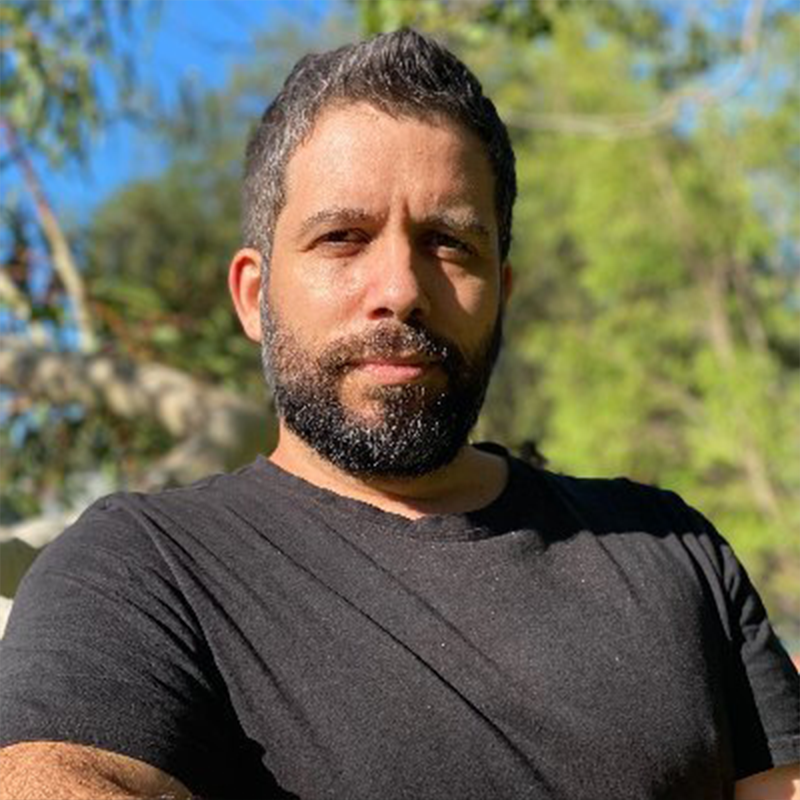

Dene (First Nations) lawyer Jennifer Duncan is in Geneva in the lead up to Canada's 4th Universal Periodic Review Pre-Session to draw international attention to Canada's continued mass incarceration of Indigenous people.
Ms Duncan is voicing the calls of the British Columbia First Nations Justice Council (BCFNJC), the BC Assembly of First Nations (BCAFN), the Union of BC Indian Chiefs (UBCIC), and Prisoners' Legal Services (PLS) for an end to the mass incarceration of Indigenous people as part of the United Nations' review of Canada's human rights record.
Indigenous people represent five per cent of Canada's population but 32 per cent of the country's federal prison population. Half of all women in federal prisons are Indigenous.
Tellingly, Indigenous people spend more of their sentences in custody and are disproportionately exposed to the worst aspects of prison, including solitary confinement, and are over-represented in self-harm injuries and deaths by suicide in prison.
While legal provisions that would allow Indigenous people to serve their sentences in Indigenous communities do exist, they are under-funded and rarely used.
The Universal Periodic Review allows United Nations member states to review the human rights records of their peers. Canada's UPR pre-session is on Thursday, 31 August, in advance of the review in Geneva in November 2023 at the meeting of the United Nations Human Rights Council.
The BCFNJC, BCAFN, UBCIC and PLS call on Canada to redirect one third of Correctional Service Canada's approximately C$3 billion annual budget – or $1 billion annually – to Indigenous governments and organisations to decarcerate Indigenous people in a manner consistent with the United Nations Declaration on the Rights of Indigenous Peoples.
BC First Nations Justice Council chair Kory Wilson said "the status quo is untenable".
"Study after study, commission after commission – the conclusions are the same: the Canadian justice system is failing our people at every turn. The BC First Nations Justice Council asserts, in no uncertain terms, that the mass incarceration of our people is a human rights crisis," she said.
"We ask that all levels of government engage in work that will ensure systemic change, advance our First Nations Justice Strategy and to see Indigenous communities, Elders, children, and families thriving in peace and security, their dignity and well-being supported by a trusted and representative justice system grounded in traditional knowledge."
BC Assembly of First Nations Regional Chief Terry Teegee said the Canadian criminal justice system is a colonial institution "designed to extinguish First Nations peoples and our inherent rights".
"This framework continues to create and maintain violence against our communities. The over-incarceration and well-documented mistreatment of First Nations individuals in custody are pervasive issues, and must be urgently addressed at all levels of government," he said.
"In alignment with the United Nations Declaration on the Rights of Indigenous Peoples, Canada must work with First Nations to support self-determined approaches to wellness, community safety, and justice. Support from the international community is essential to holding the Canadian government to account for its oppressive and discriminatory treatment of Indigenous Peoples. Together, we can work towards a future where equity, respect, and dignity prevail for all."
Union of BC Indian Chiefs Grand Chief Stewart Phillip said Canada's "archaic and racist" prison system is guilty of genocide by the Convention on the Prevention and Punishment of the Crime of Genocide which came into force at the UN in 1951, noting that same year First Nations people were legally allowed to potlach again after a long-running ban by colonial authorities.
"Canada has yet to be held accountable for committing genocide against Indigenous peoples in Canada and the Canadian government are so far behind in human rights, that they continually pour money into decrepit buildings and train people to enforce inhumane and barbaric forms of punishment and don't bat an eye," he said.
"Ahead of Canada's review, we will be watching, and we will be working together to ensure that our inherent and human Indigenous rights are respected in Canadian-owned and operated prisons."
Prisoners' Legal Services executive director Jennifer Metcalfe said the organisation has heard "countless stories of warehousing and abuse of Indigenous people in prison".
"Our client Joey Toutsaint, a member of the Black Lake Denesuline First Nation, was held for more than 2,180 days in solitary confinement and has reported that prison officers have repeatedly encouraged him to kill himself," she said.
"The solution cannot be to invest more money in Correctional Service Canada prisons and initiatives, but to recognise Indigenous self-determination and redirect funding and authority to Indigenous governments and organisations to address violence and harm."
The PLS report is available online.