




In Fiji, the Mataqali Nadala of the Yavusa Nubu has regained Native Grant No. 2 after more than 120 years under government ownership, marking the end of a 42-year effort to have the land returned.
The formal handover took place at Nadala Village in Nadarivatu, inland of Ba, with the return covering approximately 15,000 acres, or 6,070 hectares.
The land was originally acquired on June 15, 1905, for public purposes including a sanatorium, forest conservation and research, and agricultural activity such as cocoa and coffee cultivation.
The return is being recognised as a major land rights milestone for the landowning unit and a significant moment for the wider Vanua.
It also marks the second Native Grant reversion to native landowners in 2026.
Luke Vauvau, speaking on behalf of the Mataqali Nadala of the Yavusa Nubu, said the handback closed a struggle that had stretched across generations.
"We are truly blessed to witness this day — something our great-grandfathers could only hope for," he said.
"For 42 years, we have been seeking the return of our land from previous governments, and today that hope has finally been realised."
The return was officiated by Prime Minister Sitiveni Rabuka during a ceremony attended by ministers, senior government officials and representatives.
Those present included Minister for Lands and Mineral Resources Filimoni Vosarogo, representatives from the Ministry of iTaukei Affairs and the Ministry of Agriculture, Waterways and Sugar Industry Fiji, and iTaukei Land Trust Board chief executive Solomone Nata.
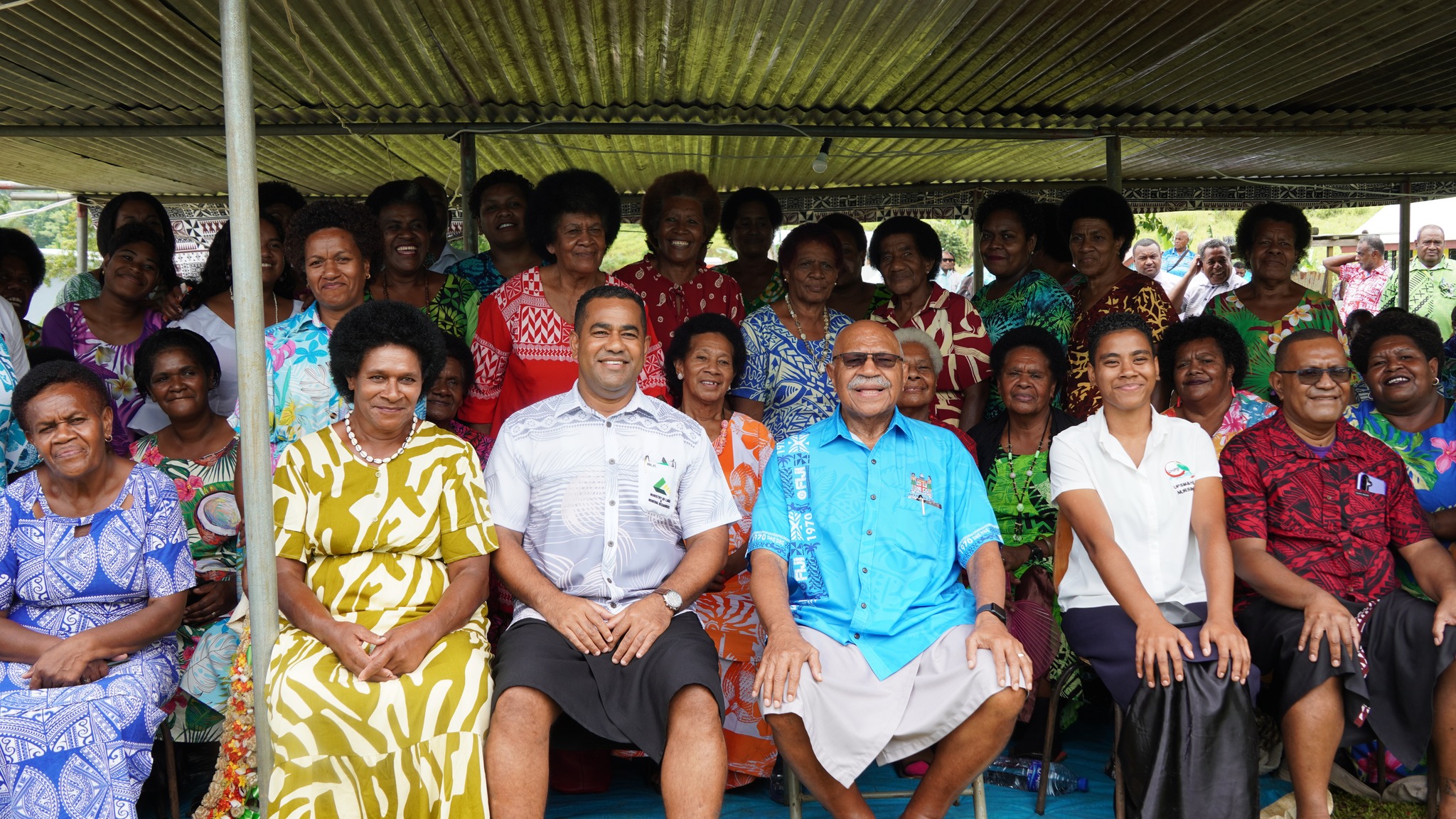
The handover was framed by the government as the restoration of land rights once the original public purpose of the acquisition had been met.
Under Section 28(2) of Fiji's Constitution, land is to be returned to its original owners when the reason for its acquisition no longer applies.
Mr Rabuka said the decision reflected both that constitutional position and the relationship between the Fijian government and traditional landowners.
"This is a historic moment that reaffirms the deep connection between the iTaukei people and their land and the government's responsibility to return land once its intended public purpose has been fulfilled," he said.
He also thanked the Vanua, the Yavusa Nubu and Mataqali Nadala for allowing the land to be used for national development over the past century.
Mr Rabuka then turned to the responsibility that comes with the handback.
"Today, the government returns ownership of this land to you after more than 120 years," he said.
"It is now your responsibility to safeguard and utilise it for the benefit of your present and future generations."
The legal and administrative process behind the handback was carried out by the Ministry of Lands and Mineral Resources, the iTaukei Affairs Board and the Solicitor-General's Office.
The government said those agencies worked together to complete the steps required to facilitate the return.
There are still matters to be worked through following the handover.
These include continued surveying of land boundaries by the iTaukei Lands Commission and the exclusion of land currently occupied by the Public Works Department from the returned area.
Mr Vauvau said the Mataqali already had plans for the land, including pine and mahogany plantations, and was ready to work with the government on sustainable development for future generations.
The return has also been linked to broader expectations of economic development and stronger community resilience for the landowning unit.
The return of Native Grant No. 2 now stands as both the end of a long campaign by the Mataqali Nadala and the start of a new phase of control over ancestral land.
For the Yavusa Nubu, the handover brings recognition of an enduring connection to Country after more than a century of government ownership.
For the landowning unit, it also brings the responsibility of deciding how the land will be managed and developed from here.