




Samoa has used Women Deliver 2026 in Naarm (Melbourne) to push for Pacific-led climate finance, disability inclusion, gender equality and community-based development to reach frontline communities.
The conference, held from 27 to 30 April at the Melbourne Convention and Exhibition Centre, brought together 5,990 participants from 189 countries and 246 languages.
It is the first Women Deliver conference hosted in the Oceanic Pacific region, bringing greater focus to Pacific priorities, Indigenous knowledge, First Nations leadership, climate justice and community-led solutions.
The official opening ceremony brought together leaders and advocates including the Governor-General of Australia, the Prime Minister of Tuvalu, former Australian prime minister Julia Gillard, the leadership of Women Deliver, and United Nations Deputy Secretary-General Amina J Mohammed.
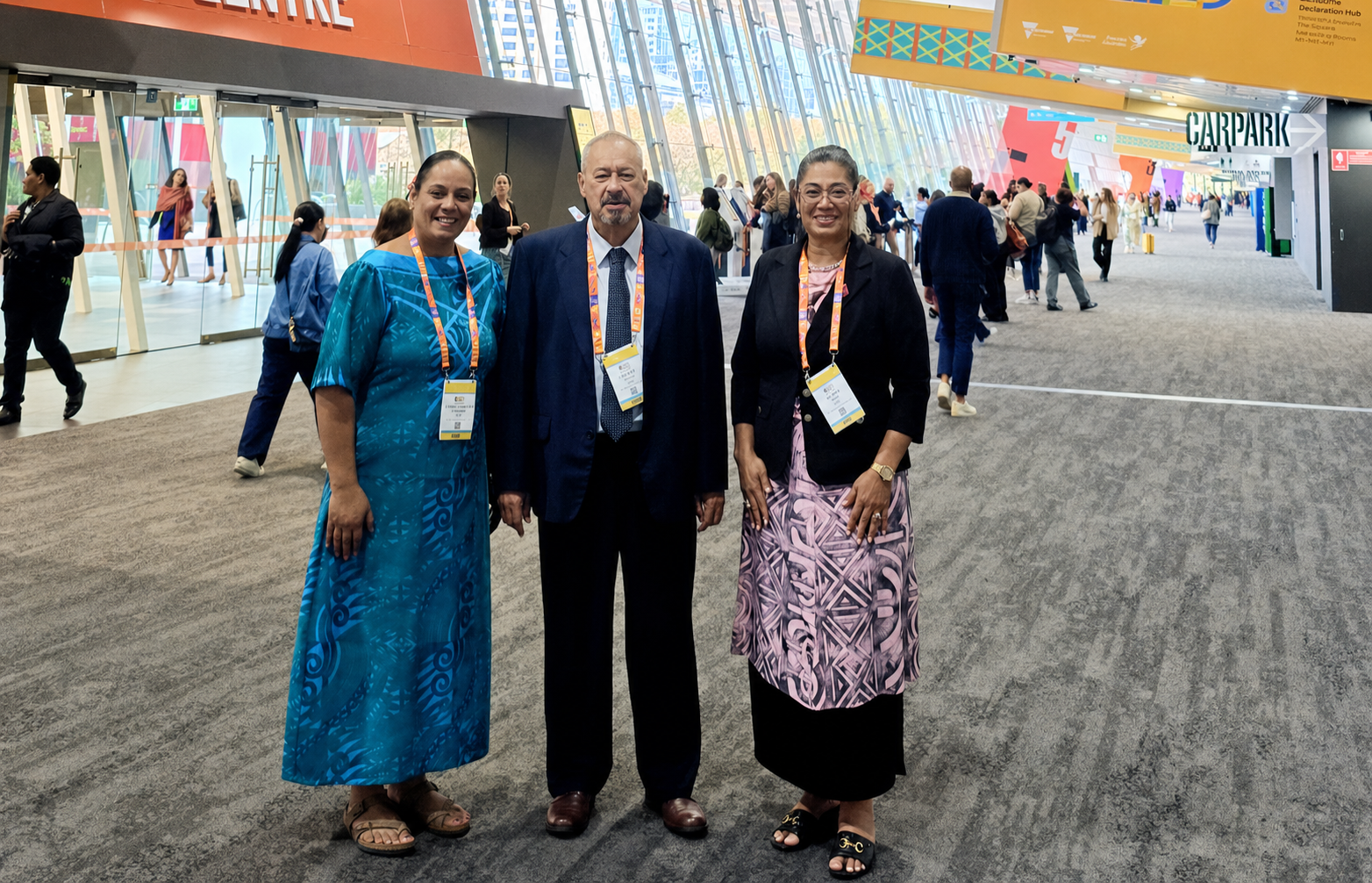
Samoa was represented by Associate Minister for Women, Community and Social Development Tilafono David Joseph Hunter, Chief Executive Officer Loau Donina Tili Vaa and Mataafa Faatino Utumapu, Manager of Nuanua o le Alofa and Samoa's candidate for the United Nations Committee on the Rights of Persons with Disabilities.
Mr Hunter said Samoa's approach to gender equality was grounded in local communities.
"For Samoa, gender equality is not only a global commitment — it is lived in our villages, families, churches, councils and communities" he said.
"Women Deliver provides an important space to gather, listen, learn and strengthen partnerships that support real change for our people."
On the opening day, Samoa took part in a high-level Pacific Talanoa on the gendered impacts of climate change, hosted by Australia's Minister for International Development Anne Aly and moderated through the Pacific Women Lead program.
Pacific Ministers and leaders, including Tuvalu Prime Minister Feleti Teo, discussed priorities ahead of a pre-COP31 initiative expected to be hosted by Australia in partnership with the Pacific.
Those priorities included ocean resilience, access to climate finance, stronger accountability and improved monitoring of climate impacts across the region.
The Government said women, children, persons with disabilities and vulnerable communities are often among those most affected by climate shocks, disasters, food insecurity and loss of livelihoods.
The talanoa reinforced calls for climate finance to reach communities in ways that are accessible, timely and responsive to Pacific realities, including village-based systems of resilience.
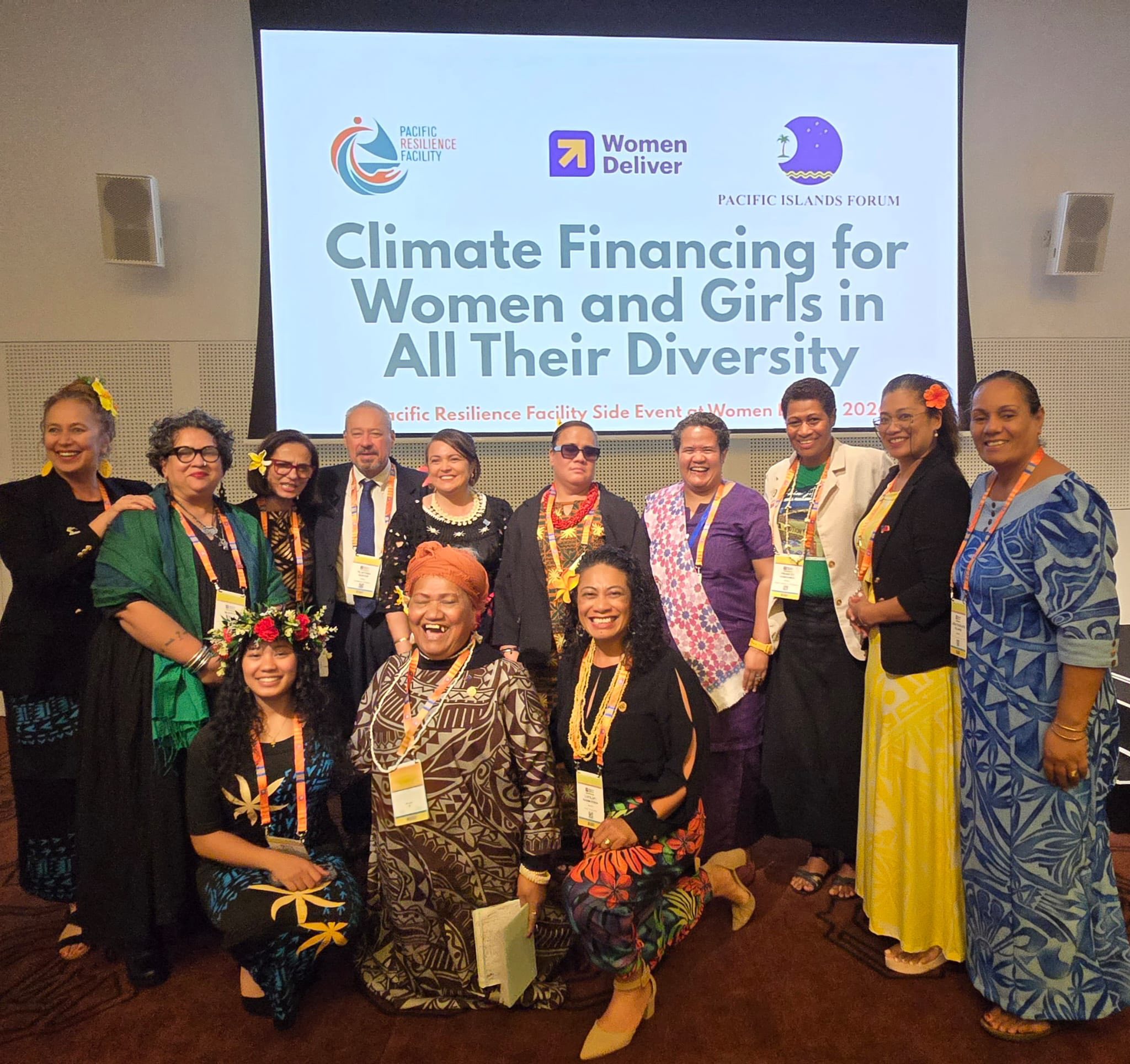
Mr Hunter also joined Pacific Ministers and civil society leaders for a high-level side event on climate financing for women and girls.
The event, hosted by the Pacific Resilience Facility in partnership with the Pacific Islands Forum, focused on how climate finance can reach the "last mile" in rural, remote and maritime communities.
Mr Hunter described Samoa's government philosophy as people-centred, including support across all stages of life.
He said Samoa viewed support as a lifelong responsibility "from the womb to the tomb".
Mr Hunter also noted Samoa's commitment to allocating 20 per cent toward gender equality, disability and social inclusion priorities.
Samoa also met with Assistant Minister for Pacific Island Affairs Nita Green to discuss progress in gender equality, early childhood development, disability inclusion and community-led development.
The discussions included Samoa's District Development Program, which the Government described as a platform for communities to identify and respond to their own development priorities.
Samoa also highlighted women's participation in village and district governance and the strong representation of women in senior public sector roles.
Women hold more than 57 per cent of senior roles across Samoa's public service.
The discussions also covered Samoa's upcoming Child Wellbeing Benefit, which will support young children while linking families to services, referrals, protection pathways and early childhood development support.
The delegation also highlighted the candidacy of Ms Utumapu for the United Nations Committee on the Rights of Persons with Disabilities for the 2027-2030 term.
Ms Utumapu's work in disability advocacy, inclusive development and regional leadership includes her role as Co-Chair of the Pacific Disability Forum.
Across six high-level engagements at Women Deliver 2026, Ms Utumapu contributed to discussions on disability inclusion, gender equality and community-led development.
Those sessions directly reached more than 1,000 participants.
The delegation also met Lemau Pala'amo, who is facilitating the Para Social Workers Training Program through a partnership between Samoa's Ministry of Women, Community and Social Development and UNICEF.
The program is described as the first of its kind in the Pacific and is aimed at strengthening community-based social service delivery.
It is designed to build a frontline workforce able to support vulnerable children, families, women, persons with disabilities and communities needing early intervention and protection support.
Representing SoulTalk Samoa Trust, the EFKS Mission Office and the Spotlight Initiative Global Reference Group, Ms Pala'amo said the work had brought hidden issues into public discussion.
"When Spotlight came to Samoa, it was like a light shining across the country — bringing forward issues that were often hidden within our homes," she said.
The discussion highlighted Samoa's whole-of-family and whole-of-village response through collaboration between government agencies and civil society organisations.
The Government said churches and village councils played a central role in shaping behaviour, guiding values and holding communities accountable.
The discussion also focused on psychosocial support and personal responsibility as part of preventing harm before it occurs.
"We are the custodians of our emotions," Ms Pala'amo said.
"If we can learn to manage them, we can prevent harm before it begins."
The Government said Samoa would continue engaging with Pacific partners, development partners, disability leaders, youth advocates and global gender equality champions as the conference continued.