




The Third Fiji Tourism Convention has brought government, industry and community leaders together to reset how success in tourism is measured, with a renewed focus on who benefits from growth and how resilient the sector remains.
The two-day convention was held at the Sofitel Fiji Resort and Spa on Denarau Island, Nadi, this week and convened under the theme 'Tourism Beyond Boundaries'.
It brought together government leaders, industry stakeholders, community representatives, development partners, academia and youth voices for dialogue, policy engagement and strategic alignment.
Deputy Prime Minister and Minister for Tourism and Civil Aviation, Viliame Gavoka, said the sector's recovery could not be assessed through arrivals alone.
"As the Convention enters its third year, success is no longer measured by visitor numbers alone, but by how tourism grows, who benefits, and how resilient the sector remains amid changing global travel trends, climate pressures, and evolving community expectations," Mr Gavoka said.
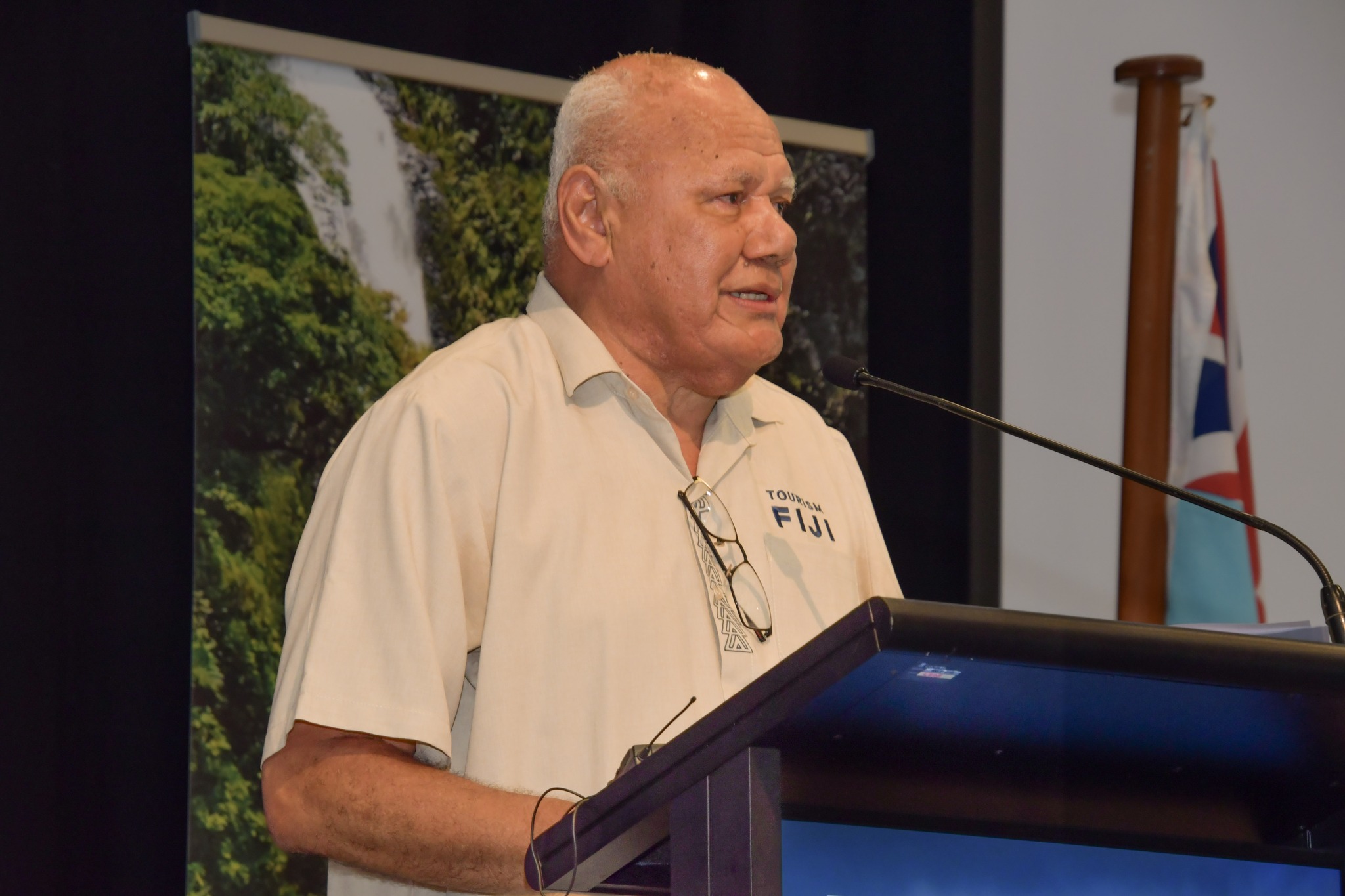
The convention was framed as a working forum for shaping policy direction and reform as tourism continues its post-pandemic recovery.
Mr Gavoka said the convention was intended to enable direct engagement between government, industry and communities.
"The Convention is a strategic platform for direct engagement between Government, industry, and communities, encouraging open dialogue that will help shape policy, regulatory reform, and long-term planning," he said.
Visitor numbers were cited as a sign of continued growth in the sector.
"Fiji surpassed its 2023 record of 929,740 visitors, reaching 986,367 visitors in 2025, alongside 57,420 cruise passengers recorded in the first three quarters of the year, reinforcing tourism's strong contribution to economic growth", Mr Gavoka said.
The figures were presented alongside global data showing international tourism reached 1.52 billion arrivals in 2025.
The convention also included discussion about how Fiji remains competitive while ensuring growth is sustainable and inclusive.
The Deputy Prime Minister pointed to contributions from workers and small businesses involved in tourism and related supply chains.
"Tourism is built not by institutions alone, but by people - the hoteliers, operators, farmers, artisans, drivers, and entrepreneurs whose resilience and risk-taking sustained the sector through challenging times," Mr Gavoka said.
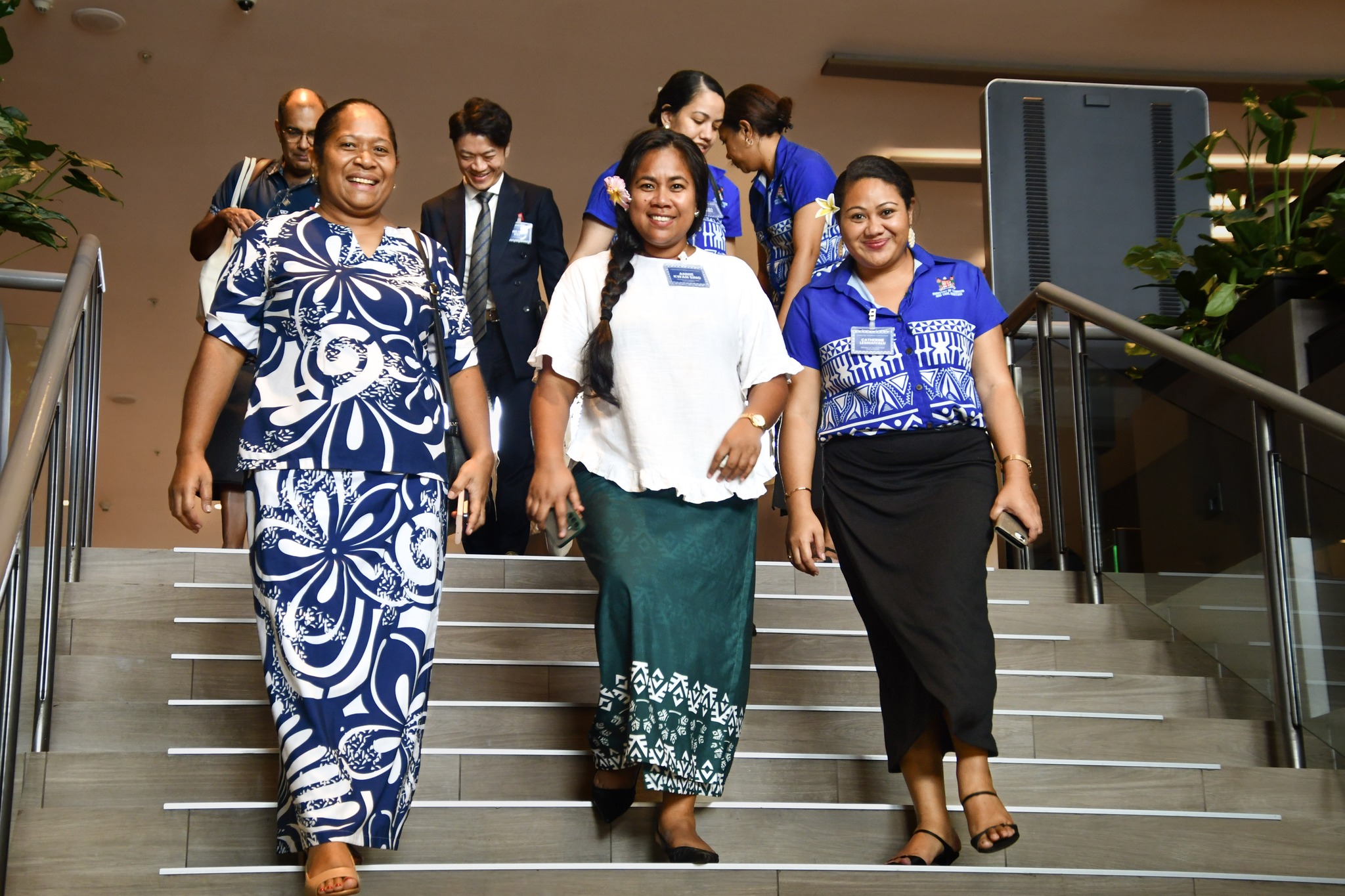
The convention covered issues including market trends, air connectivity, investment readiness, community participation, cultural integrity, digital transformation and legislative reform.
It was chaired by Jenny Seeto, who guided discussions across the two-day program.
Mr Gavoka said progress had been made in areas such as air connectivity, policy reform and support for micro, small and medium enterprises.
"Over the last year, we have had many victories, including strengthened air connectivity, policy reforms, support for MSMEs [micro, small and medium enterprises], hosting major international events, and progress toward a national sustainable tourism standards framework; however, there are areas where reforms and community benefits must advance faster," hesaid.
The convention also examined how tourism can deliver broader national development outcomes and how benefits are shared across regions and generations.
Community participation and local enterprise were raised as central to expanding tourism beyond established hubs.
Mr Gavoka highlighted the Lau Group as a focus for future development through the Na Vualiku Tourism Development Program.
The program was described as being grounded in connectivity, community empowerment and sustainability.
The convention was positioned as part of the Government's longer-term tourism planning aligned with the National Sustainable Tourism Framework 2024-2034.
Mr Gavoka said outcomes and resolutions from the convention would inform policy work, legislative reforms and program implementation in the months ahead.
The convention concluded with a commitment to ongoing collaboration and accountability across stakeholders.
Future Fiji Tourism Conventions were flagged as a way to track progress and sustain momentum.