



The Global Green Growth Institute (GGGI) has launched three new climate transparency projects in Tonga, Palau and Samoa, backed by more than US$4 million to strengthen national systems for tracking and reporting climate data.
The projects are being delivered under the Capacity-Building Initiative for Transparency and will run through to 2029.
They are designed to strengthen climate data collection, reporting and verification systems and support national obligations under the United Nations Framework Convention on Climate Change and the Paris Agreement.
GGGI Pacific Regional Director, Sakiusa Tuisolia, said the projects would strengthen national climate transparency systems across the three countries.
"These projects underscore the Pacific's unique position: low emissions yet high vulnerability," he said.
"They highlight the urgent need for global climate action while strengthening local capacity to respond effectively."
The work focuses on building and institutionalising Measurement, Reporting and Verification systems in the three countries. These systems support the preparation and submission of Biennial Transparency Reports required under the Paris Agreement's enhanced transparency framework.
Pacific Island countries face some of the most severe impacts of climate change despite contributing minimally to global emissions. Rising sea levels, extreme weather and economic pressures continue to strain governments and communities across the region.
Accurate and transparent climate reporting is used to monitor progress against Nationally Determined Contributions and support access to climate finance.
The projects are expected to strengthen national transparency frameworks and improve coordination of climate data across agencies and partners. They will also promote collaboration between government agencies, civil society and development partners involved in climate reporting.
The projects are being executed in partnership with the national governments of Tonga, Palau and Samoa, alongside the United Nations Environment Program, and will also support the timely submission of Biennial Transparency Reports, which are required under the Paris Agreement.
The expected outcomes include improved systems for tracking greenhouse gas emissions and climate actions.
GGGI said the work would also strengthen institutional capacity for climate data management, including the development of centralised national repositories.
Increased compliance with reporting requirements is expected to support more accurate and timely Biennial Transparency Reports.
GGGI said the projects would also improve stakeholder engagement and knowledge sharing between Pacific Island countries.
The new launches build on GGGI's ongoing climate transparency work in the region, including a similar initiative in Fiji and support for mobilising projects in the Cook Islands.
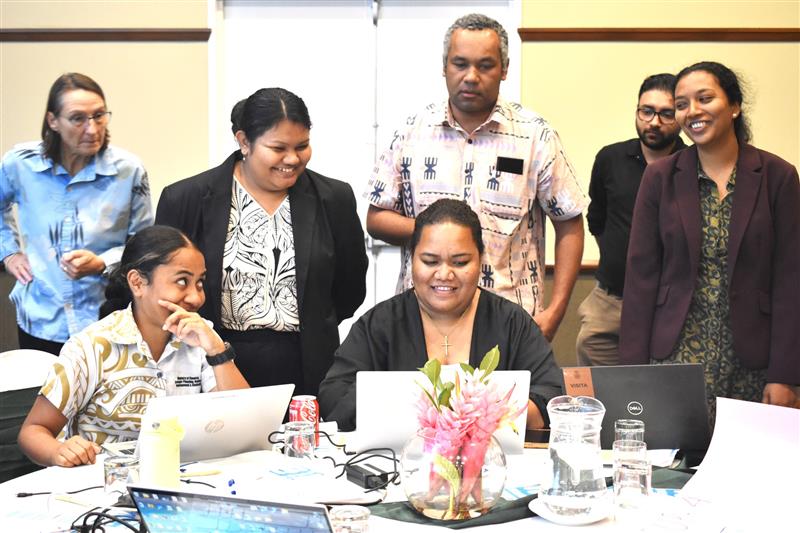
GGGI is also assisting Tuvalu and the Republic of the Marshall Islands in accessing transparency funding.
The expansion reflects a broader regional push for data driven climate governance and reporting.
The projects will involve coordination across government agencies, civil society and development partners to support national reporting systems, and were designed to align with national priorities while meeting global reporting standards.
Mr Tuisolia described transparency as central to turning climate commitments into effective action.
"Transparency is the cornerstone of effective climate action," he said.
"By supporting Pacific Island countries to build strong transparency systems, we are helping them fulfil global commitments while driving local climate resilience and sustainable growth."
GGGI said it would continue working with governments and partners to ensure the projects deliver lasting impact.