




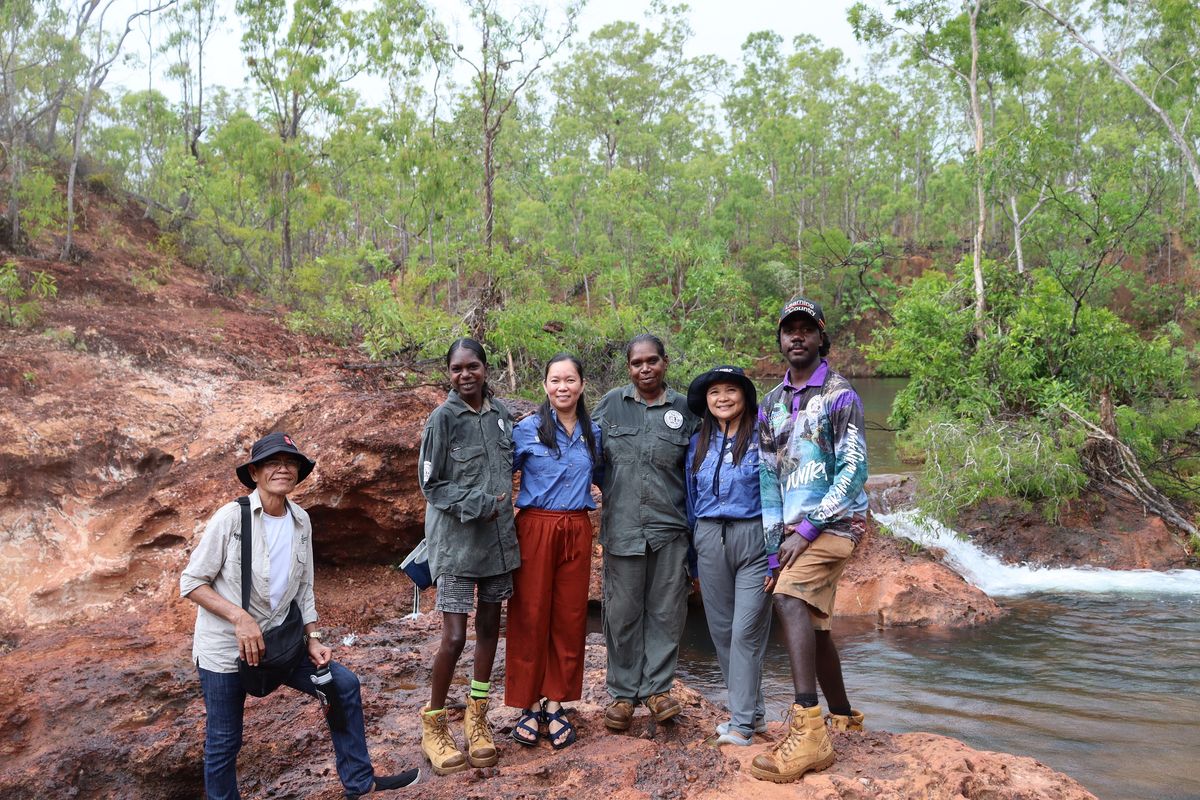
A First Nations conservation program in the Northern Territory is contributing to efforts to save the critically endangered Philippine Eagle.
Philippine rangers and Indigenous leaders have been in Gove this week working with Yolŋu rangers from the Dhimurru Aboriginal Corporation (DAC).
Their activities include fieldwork and learning on Country to support habitat restoration for the Philippine eagle.
The initiative explores culture and nature-based enterprise opportunities, focusing on fire management and wildlife monitoring.
Philippine Eagle Foundation (PEF) director of operations Dr Jayson Ibañez noted the significance of the eagle.
"The forest is very important for the eagle and Indigenous culture because it's the foundation of biocultural diversity," he said.
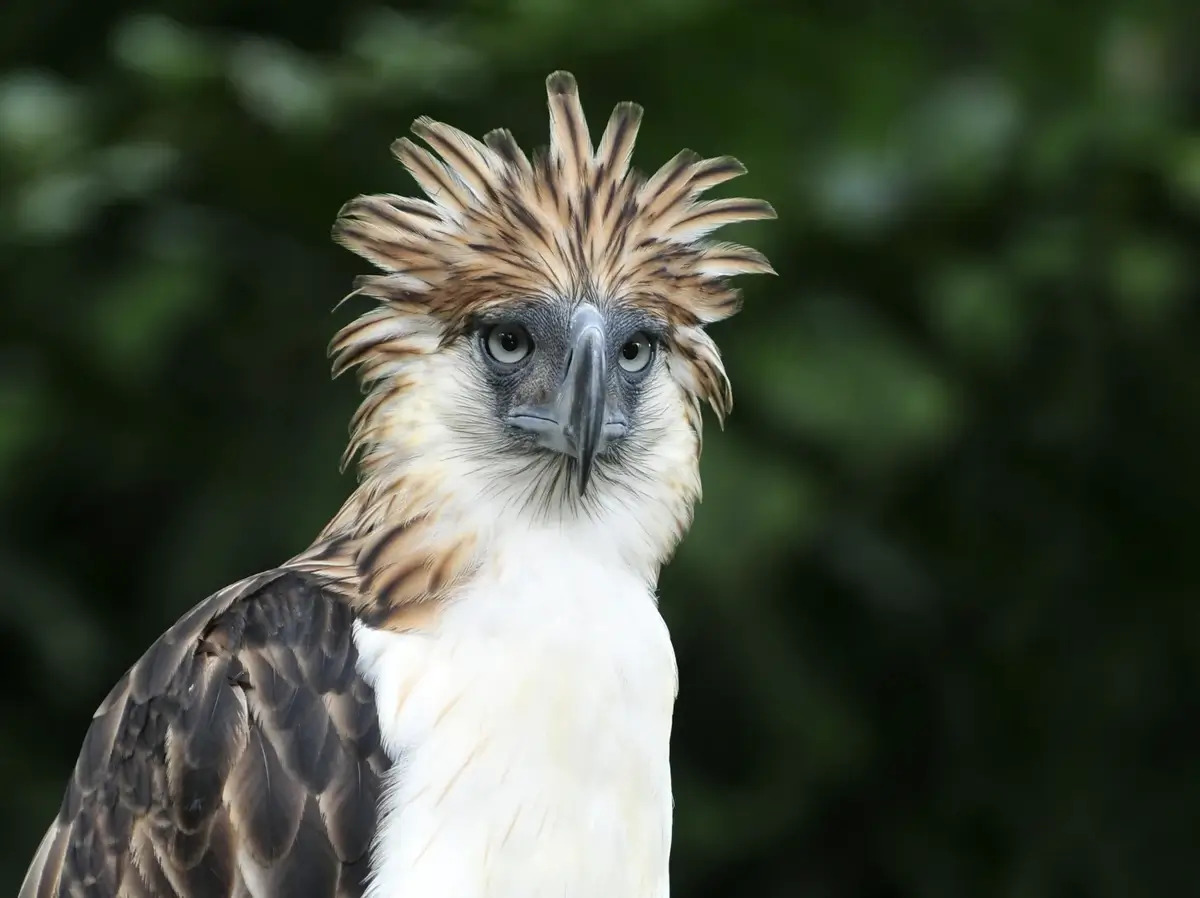
The Philippine Eagle is one of the world's rarest birds, with fewer than 400 pairs left in the wild.
Its population has been decimated by deforestation and illegal hunting.
He highlighted challenges with fire management on ancestral lands due to climate change and prolonged droughts.
"The Dhimurru Rangers will help us develop models of Indigenous land management to present to the Philippine Government and Indigenous Peoples Commission," he added.
Dr Ibañez, a trained zoologist, completed his PhD at Charles Darwin University (CDU) in 2015.
"This visit is fulfilling a promise to bring my Indigenous leaders here to share the experience I had," he said.
With 80 per cent of Philippine eagle habitat on ancestral lands, biocultural conservation also creates opportunities for cultural and financial benefits.
Dr Ibañez said his PhD focused on engaging Indigenous knowledge while ensuring equal conservation benefits for landowners.
DAC Executive Officer Stephina Salee described the visit as mutually beneficial, highlighting its deeper significance.
"Our Filipino family has taught us to view land and sea as sacred ties to our ancestors," Ms Salee said.
She emphasised the importance of honouring heritage by protecting the earth for future generations.
"These lessons guide us to nurture the land and sea for those who will come after us," she said.
The group is in Australia for a month under an Australia Awards Fellowship, hosted by CDU's Research Institute for the Environment and Livelihoods.