

Central Queensland Indigenous Development took its vision for Indigenous ownership and generational wellbeing to the World Indigenous Business Forum in Winnipeg, Canada, held from October 26-28.
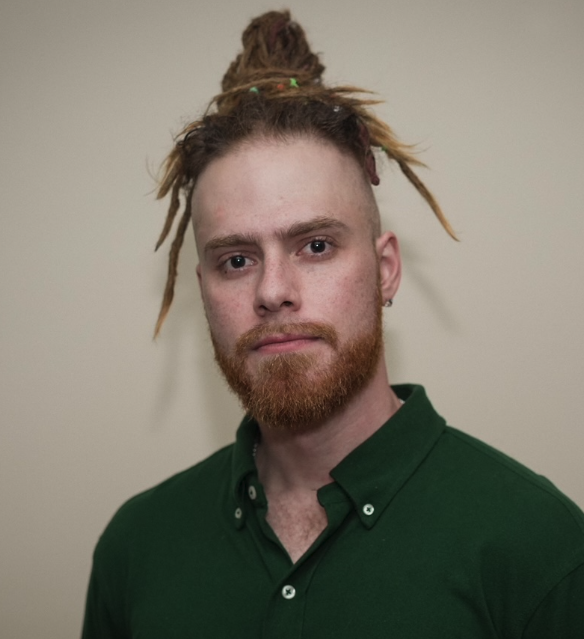
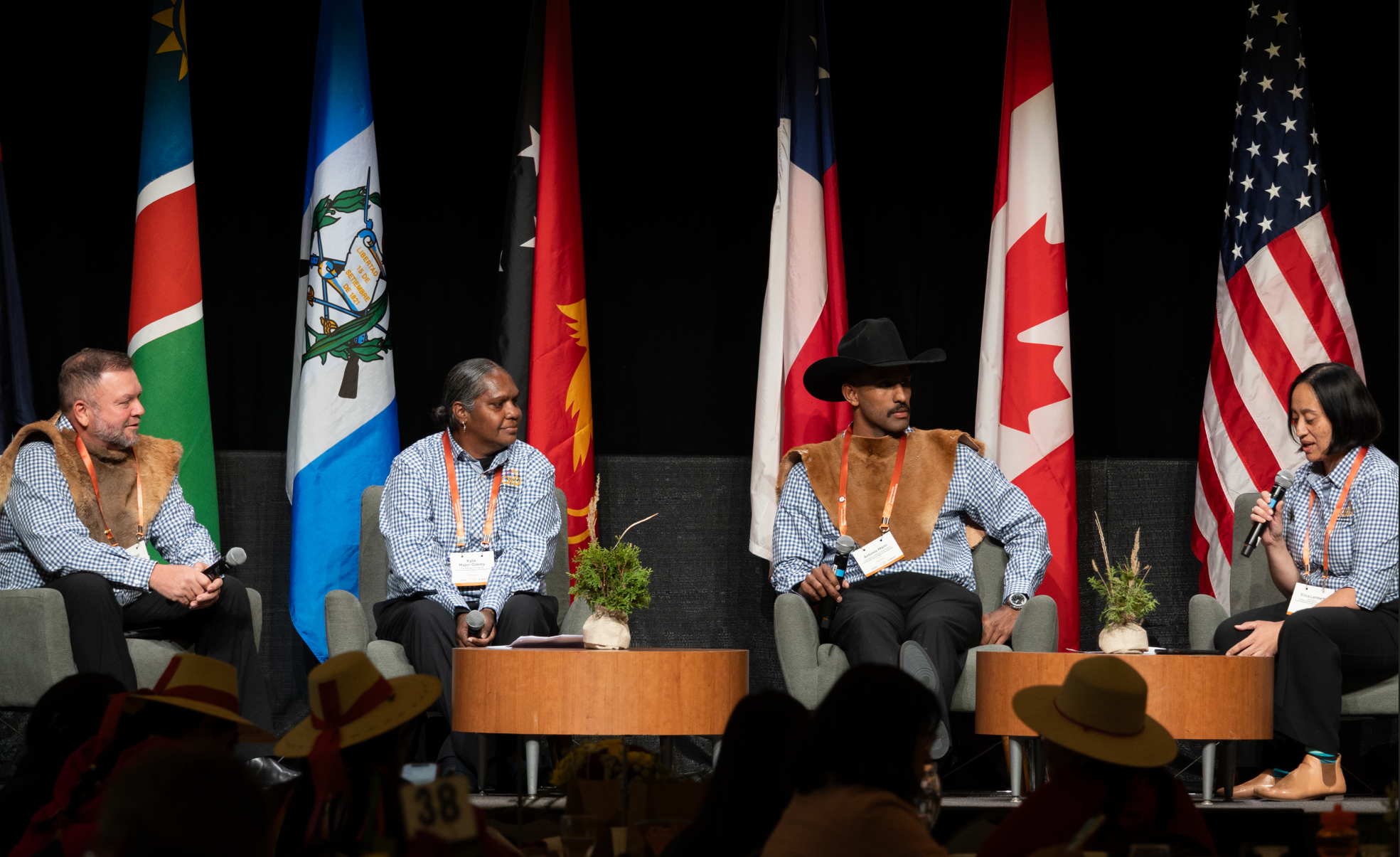
The Aboriginal community-controlled organisation's delegation included Wiradjuri man and CEO Jason Field, Woorabinda General Manager Kylie Major-Oakley and Staying on Track youth mentor Antonio Mann.
Their panel discussion focused on moving beyond service delivery towards Indigenous-led systems that support wellbeing, economic participation and prosperity on Country.
In responses provided ahead of the forum, Mr Field outlined the connection between Indigenous ownership and the futures of Aboriginal and Torres Strait Islander children.
"For us, Indigenous ownership is about having the power to make decisions, shape opportunities and build a future where our children and grandchildren can thrive," Mr Field said.
CQID has worked alongside Aboriginal and Torres Strait Islander families for 21 years, with its services forming the foundation for a broader focus on infrastructure, partnerships, investment and community ownership.
The forum brought Indigenous leaders and organisations together to explore economic development, creating an opportunity for CQID to share its work and learn from communities internationally.
Its speaker line-up included Oglala Lakota chef and Indigenous food sovereignty advocate Sean Sherman, Waikato-Tainui leader and former New Zealand foreign minister Nanaia Mahuta, and Manitoba Métis Federation President David Chartrand.
The program covered Indigenous food systems, trade, investment, tourism and youth entrepreneurship, placing CQID's work within an international discussion about community ownership and economic development.
Mr Field's message centred on the importance of trusting communities to lead their own development.
"Our message is simple: give our people the opportunity to lead and we'll show you what we can achieve," he said.
"CQID has demonstrated what's possible when Aboriginal and Torres Strait Islander communities are trusted to deliver for their own people.
"Economic independence is about more than business success, it's about ownership, choice and creating opportunities that strengthen our families, communities and future generations."
Mr Field noted CQID's vision for the Zilzie Generational Wellbeing Precinct as an example the organisation intended to share.
The proposed approach brings together support tailored to children and families, opportunities for home ownership and connections between generations through which culture and knowledge can be passed down.
The vision places wellbeing within a person's broader life, with support extending beyond individual services.
"It's about supporting our people throughout their lives, ensuring they have the support, connections and opportunities they need to grow, thrive and become future leaders within their communities," Mr Field said.
The delegation also sought to build relationships with Indigenous organisations overseas and explore approaches that could inform CQID's work in Central Queensland.
Mr Field recognised shared challenges across Indigenous communities while identifying value in learning how other organisations had created change.
"Across the world, Indigenous peoples share many similar experiences and challenges, but there's also so much we can learn from each other's successes," he said.
"I'm particularly interested in understanding how other First Nations organisations have overcome barriers and created meaningful change for their communities.
"It's about bringing those learnings home, exploring new possibilities and finding ways to strengthen opportunities for our communities so our people can experience those outcomes too."
The forum took place during Indigenous Business Month, linking CQID's participation with the broader discussion about economic independence and self-determination.
For the organisation, the connection between economic development and family wellbeing underpinned its contribution, with ownership and decision-making central to its vision for future generations.