



Samoa is taking part in a regional program aimed at helping Pacific governments deliver faster and more dignified support to women, children, people with disabilities and vulnerable families during disasters.
The first Regional Executive Short Course on Cash and Voucher Assistance for Sexual and Reproductive Health is being led by UNFPA Pacific in partnership with Fiji National University, the Pacific Regional Cash Working Group and regional partners.
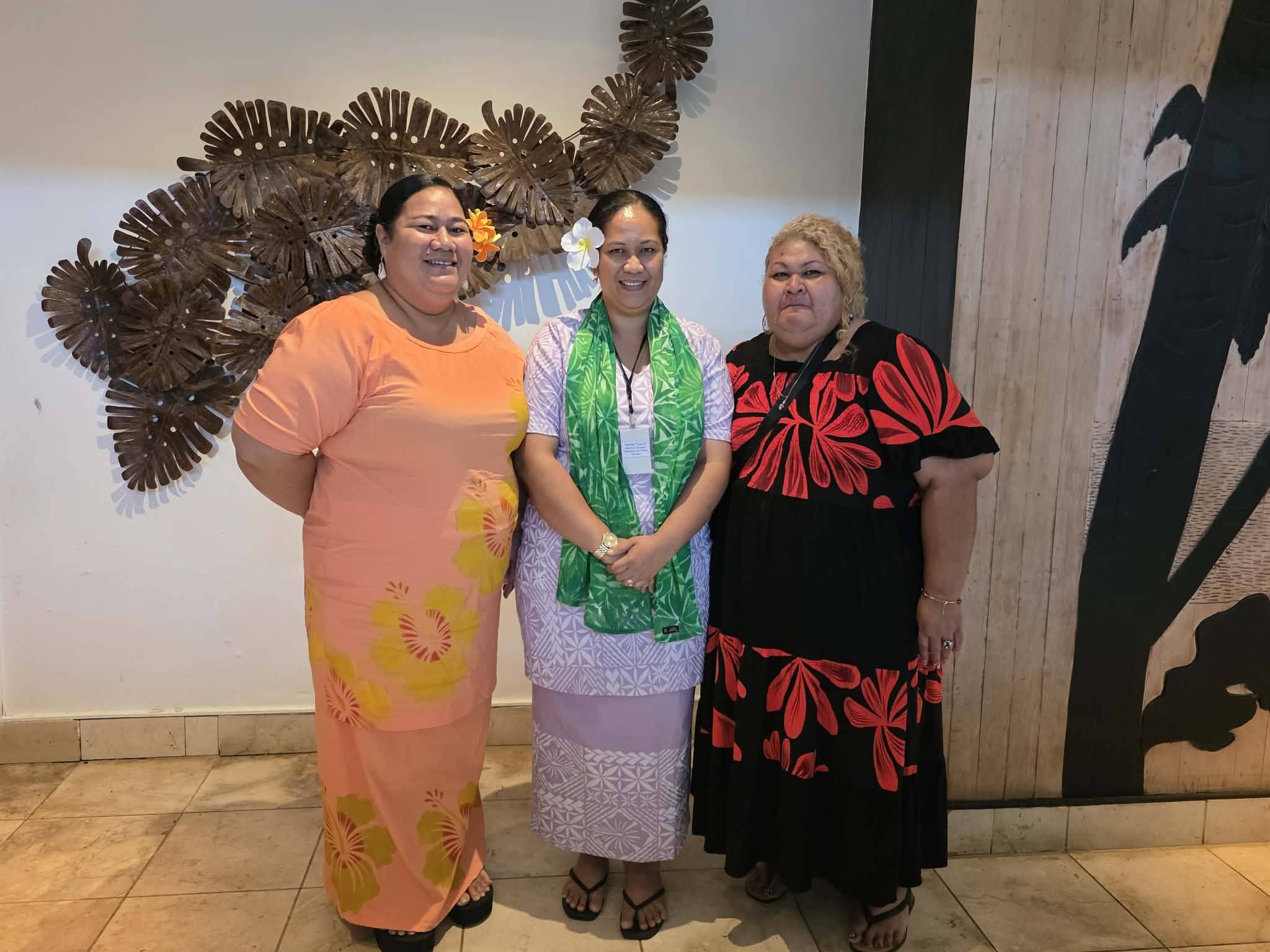
Samoa is being represented by Ministry of Women, Community and Social Development Acting ACEO Social Development Division Orita Landa Faagu Asi.
Ms Asi said disaster responses needed to recognise the wider impact on families and communities.
"Disasters affect more than infrastructure," she said.
"They affect people's dignity, health, safety, and ability to cope."
The program is helping Pacific countries rethink how support reaches women, girls, children and vulnerable families during emergencies.
It is focused on moving from delayed assistance to faster, people-centred systems designed around community needs.
Cash and voucher assistance allows vulnerable families to access essential support during crises, including maternal and reproductive health services, menstrual hygiene supplies, transport to clinics and hospitals, medicines, baby supplies, food, household essentials and protection support.
"Women, children, persons with disabilities, and vulnerable families often carry the heaviest burden during crises," Ms Asi said.
"Strengthening systems that provide timely and direct support can make a real difference to outcomes for families and communities."
For Samoa, the program connects with national work to strengthen social protection systems, early intervention pathways and family wellbeing support.
That work includes the Samoan Government's Back-to-School Support for more than 150 students, support pathways for people with disabilities, disability benefits and community-based support.
It also links with Samoa's upcoming Child Wellbeing Benefit initiative, which aims to support children from birth to 35 months while strengthening early registration, wellbeing referrals and wrap-around family support systems.
The three-month executive program combines online learning, regional workshops, technical exchanges and country planning processes.
It is designed to help Pacific governments develop practical implementation pathways suited to their own settings.
Samoa is also sharing lessons from its village-led coordination systems, women's and community leadership, social protection approaches, disability inclusion work and integrated wellbeing support models for families and children.
The initiative is supported by the Australian Government's Regional Pre-positioning Initiative Project, along with regional and global partners including the Partnership for Social Protection, CALP Network and the University of North Carolina.