




Pope Francis arrived in Canada on Sunday ahead of a six-day tour apologising for the abuse of Indigenous people in the nation's Catholic-run residential schools.
Between 1894 and 1947 Indigenous people were forced to attend the government-funded boarding schools as an assimilation tactic into Western culture and isolation from traditional influence.
The last Canadian residential school closed in 1996.
Thousands of children died and were physically and sexually abused as a result of the conduct, where unmarked graves have since been uncovered.
Former Canadian Assembly of First Nations national chief Phil Fontaine went public with his experience during his time at the schools in 1990, remaining vocal about the trauma experienced by his people since.
"The Catholic Church had tremendous responsibility and influence over the implementation of the residential school policy, its methodology, its effect on children"," Mr Fontaine said.
"It was the Catholic Church that entered into a relationship, a legal relationship with the federal government to run schools, and so they had a very significant role in the implementation of this terrible policy."
The Canadian Government's first offical apology to Indigenous people was made in 2008 by then Prime Minister Stephen Harper shortly after the launch of a truth and reconciliation commission to investigate the events.
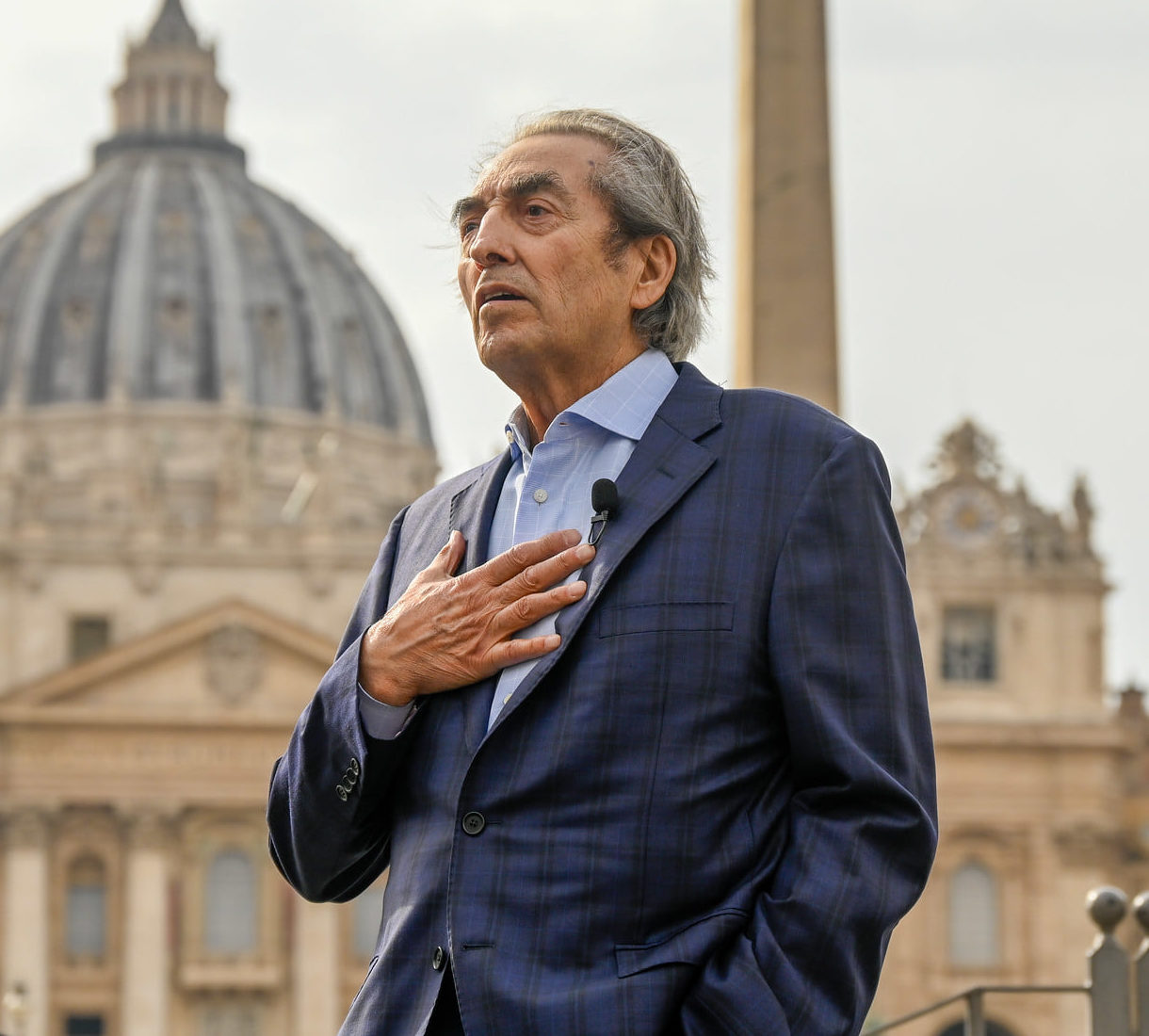 Phil Fontaine at the Vatican in April. image: Assembly of First Nations Facebook
The Pope made an initial apology to Indigenous people in Canada in April.
"The Holy Father has heard first-hand the stories of those who suffered at the hands of Catholic Church members, and has responded with compassion, remorse, and a genuine desire for truth, justice, and healing," Canadian Conference of Catholic Bishops president Raymond Poisson said.
Mr Poisson thanked the 32 Indigenous delegates who travelled to the Vatican, adding it would contribute to the "desires for a brighter future for their people".
Mr Fontaine, who was present in the Vatican, was critical of its effect.
"When he said, I am sorry, or he could have said, I am very sorry, those were very important words," he said.
"But in every situation like that, you reflect on what you heard, and you ask questions about whether the the Holy Father went far enough, and many concluded that he should have been more expansive and that's what he indicated he would be doing here is provide a more expansive apology.
"We still have so much work to do to heal the past and to bring about true reconciliation.
"We ourselves have to forgive otherwise the story never ends."
Indigenous leaders and representatives have questioned the visit and effectiveness of its method, where thousands are expected attend the appearances.
The Pope will travel to two provinces, including the former site of a residential school in the arctic First Nation's Cree community of northern Quebec.