




This article contains reporting of child removals some readers may find distressing.
Greenlandic mother Keira Alexandra Kronvold has spent more than a year fighting to have her baby returned after Danish authorities took her newborn daughter, Zammi, into foster care two hours after birth.
Zammi was removed under Denmark's 'parental competency' assessment system, known as FKU, which critics say discriminates against Greenlandic Inuit parents and has led to hundreds of forced child removals.
Ms Kronvold's case is one of many involving Greenlandic families on the Danish mainland who have had their children taken under these assessments.
Defenders say the tests are objective, but psychologists and human rights groups argue they fail to account for cultural and linguistic differences.
The FKUs involve interviews, memory exercises and general knowledge questions, however Ms Kronvold's lawyer, Jeanette Gjørret, told The Guardian there were "many errors in the case, including in the psychological tests".
She said the decision to remove Zammi was made before her birth and without an interpreter present.
In her public petition, Ms Kronvold said she was never provided a Greenlandic translator and accused Thisted Municipality, a local authority in northern Denmark responsible for child protection services, of discrimination.
"My newborn daughter Zammi was taken from me shortly after her birth ... This has happened on the basis of Thisted Municipality's discriminatory and condescending treatment of me in relation to my ethnicity, gender, race, disability, age and sexual orientation," she said.
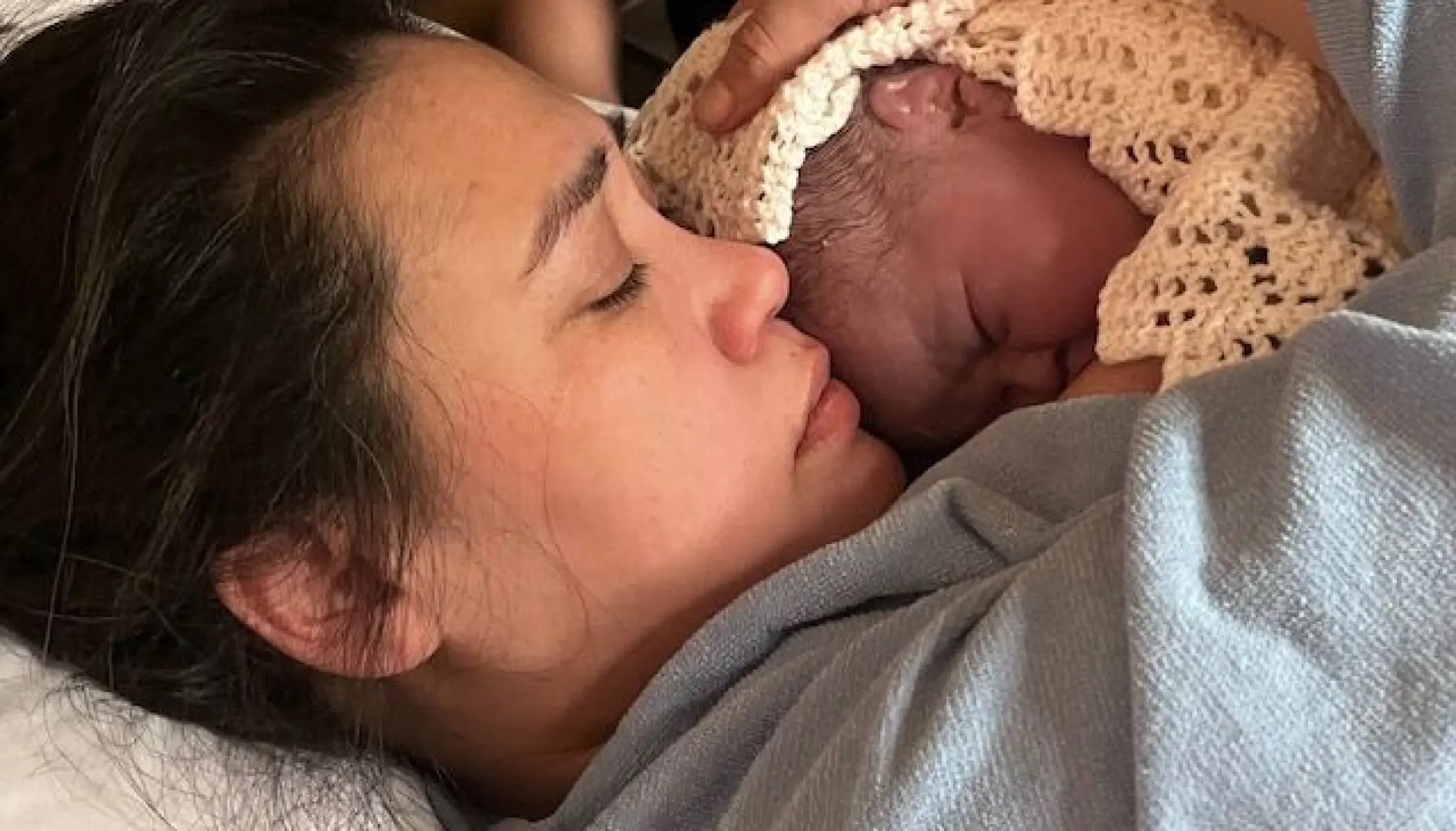
Ms Kronvold said the psychologists involved in her assessments "used several psychological tests that are not adapted to Greenlanders" and that "the same psychologists have also been in charge of all infant therapy and play appointments for my children, which have been taken away from me".
She argued the process violated her human rights as a member of an Indigenous people.
"As an Inuit, I am protected under ILO Convention 169 and the UN Declaration, which prohibits ... the forced removal of children from Indigenous peoples," she said.
A municipal report stated that Ms Kronvold "draws on her Greenlandic background, where even small facial expressions have communicative significance," and concluded this would make it difficult for her child to adapt to Danish social norms.
Ms Kronvold said she was told the tests were to determine if she was "civilised enough".
The Danish government has now banned the tests for Greenlandic parents after decades of criticism, however many families are still waiting to be reunited.
Her lawyer has since applied for the case to go to Denmark's high court, which could have major implications for other Greenlandic families seeking reunification.
Decades of Institutional Control
The removal of Inuit children from their families reflects a deeper pattern of colonial policies that have long separated Inuit families.
In 1951, Denmark removed 22 Inuit children from Greenland in the 'Little Danes' experiment, aiming to raise them as Danish citizens.
The aim was to assimilate them into Danish society and sever their connection to their language and culture, reshaping them into a generation expected to lead a modernised, Danish influenced Greenland.
At the time, Greenland was still a Danish colony facing poverty and high mortality, and officials framed the program as an effort to 'improve' children's lives.
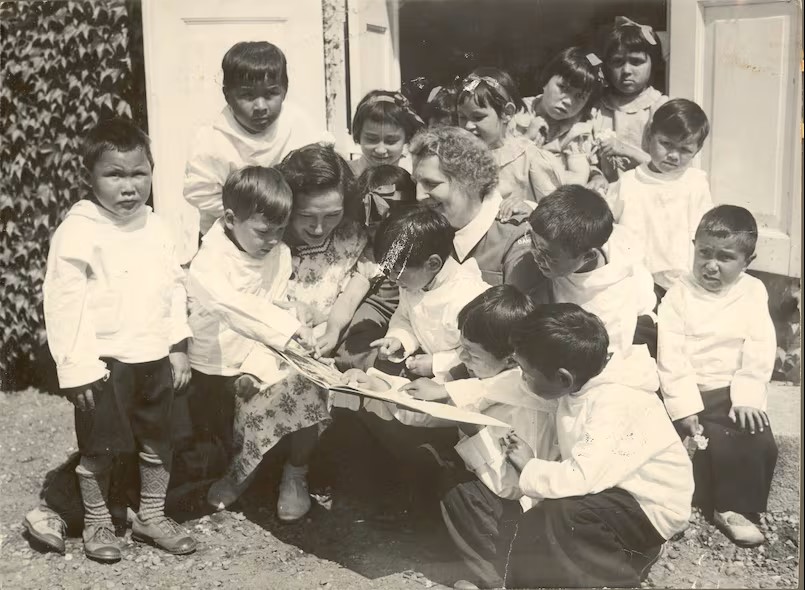
The children, aged between five and nine, were banned from speaking Greenlandic and taught only Danish customs and values.
Most never returned to their families, suffering deep psychological harm and cultural loss.
The forced separation of children was followed by another state policy that targeted Greenlandic women for reproductive control.
Between the late 1960s and 1990s, approximately 4,500 women and girls in Greenland, including more than 350 Inuit, were fitted with intrauterine devices (IUDs) without their consent under a Danish-led birth control campaign.
The program aimed to reduce Greenland's birth rate and continued for more than three decades, often affecting girls as young as 12.
Many of the women were never informed of the procedures and later suffered infertility, pain, and long-term psychological trauma.
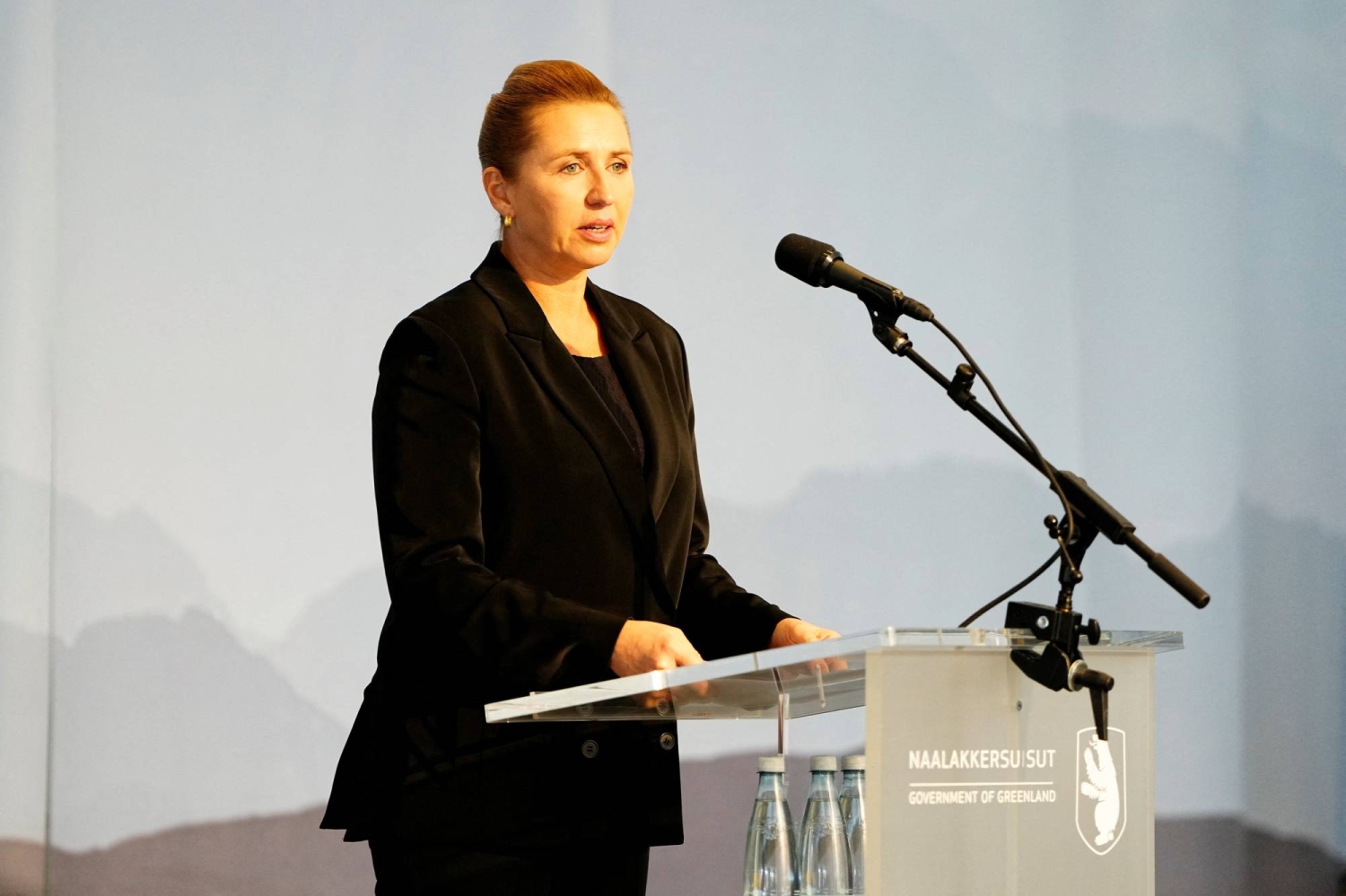
In September, Danish Prime Minister Mette Frederiksen issued a formal apology in Nuuk, calling it a "betrayal that had major consequences for Greenlandic girls".
During the same ceremony, Greenlandic Prime Minister Jens-Frederik Nielsen said the apology did not mean the government accepted what had happened.
Denmark has since announced a reconciliation fund to compensate victims and others affected by discriminatory policies tied to their Inuit heritage.
Historians describe both the IUD campaign, and the Little Danes experiment as part of a wider system of colonial control that sought to reshape Greenlandic society through cultural assimilation and population management.
Challenging the System
Across Denmark, Greenlandic parents continue to challenge the removal of their children through the courts and public campaigns.
While the ban on FKU tests in May marked a turning point, many families say it came too late to undo the harm already caused.
Ms Gjørret has called for Greenlandic cases to be re-examined, arguing that cultural bias shaped decisions made under the now discredited assessments.
Community advocates, including the organisation Foreningen Mapi, say that despite new legal protections, the system still separates children from their language and identity.
Its founder, Laila Bertelsen, told The Guardian that cultural misunderstandings remain common, leaving Inuit children "cut free from their cultural roots and identity".
For many families, reunification depends on long and costly appeals.
Only a small number have succeeded so far, and most children remain in Danish foster care.
Ms Kronvold's case has become a symbol of that fight.
Her appeal to Denmark's high court is expected to test how far the government's reforms will go to address past injustices.
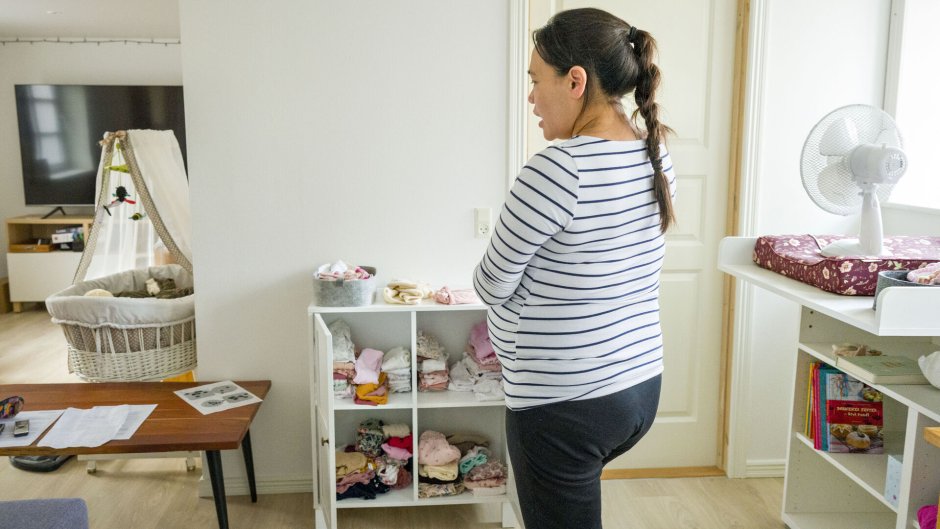
In her petition, Ms Kronvold said that Thisted Municipality had "violated [her] human rights as a member of an Indigenous people in Denmark," adding that "Zammi is now growing up with a foster family employed by the municipality, and their parenting skills have given rise to concern".
She also stated that the tests used in her case "were not adapted to either me or my daughter," arguing that the process breached Articles 8 and 14 of the European Convention on Human Rights.
Ms Kronvold told BBC News she would continue her campaign until her daughter comes home.
"I will not stop fighting for my children," she said.
"If I don't finish this fight, it will be my children's fight in the future."