



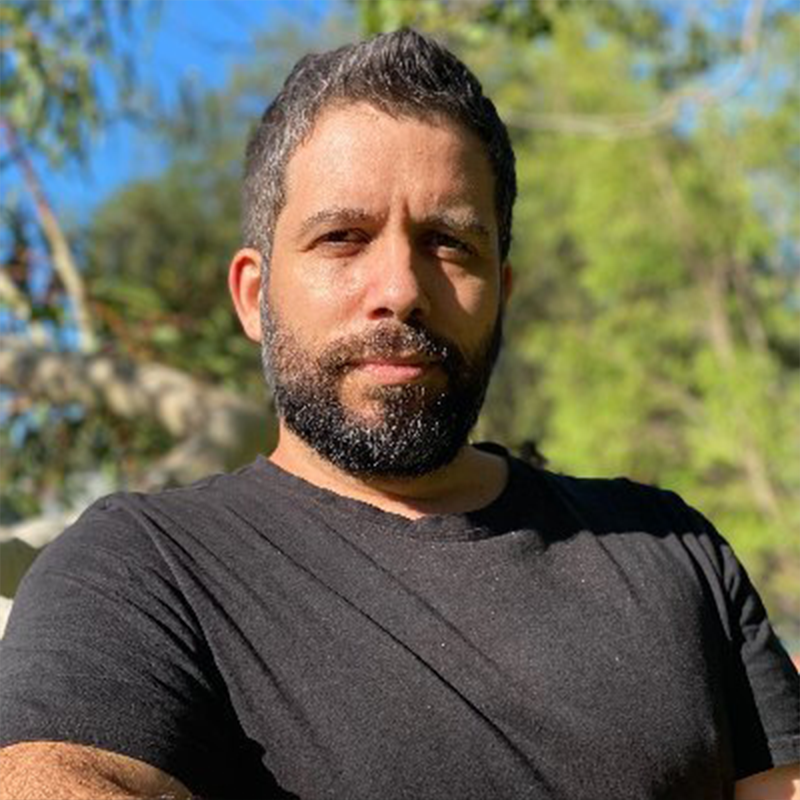

First Nations environmental activist and advocate Takesa Frank recently served as the official WWF Asia & Pacific spokesperson at COP30 in Belem, Brazil.
Ms Frank, 23, is a proud Aboriginal woman living on Yuin Country on the NSW South Coast and one of Australia's most compelling young voices for conservation.
"I have lived on Yuin country for my entire life... I grew up on a property covered in forest and surrounded by forest an hour away from the closest town," she told National Indigenous Times.
"I really got to learn a lot about Country from a young age. We spent a lot of time going out to sacred sites and on Country with Elders to learn about our culture. So, from a really young age, I really felt a strong connection to country and could also see it changing as well because I was living so amongst it."
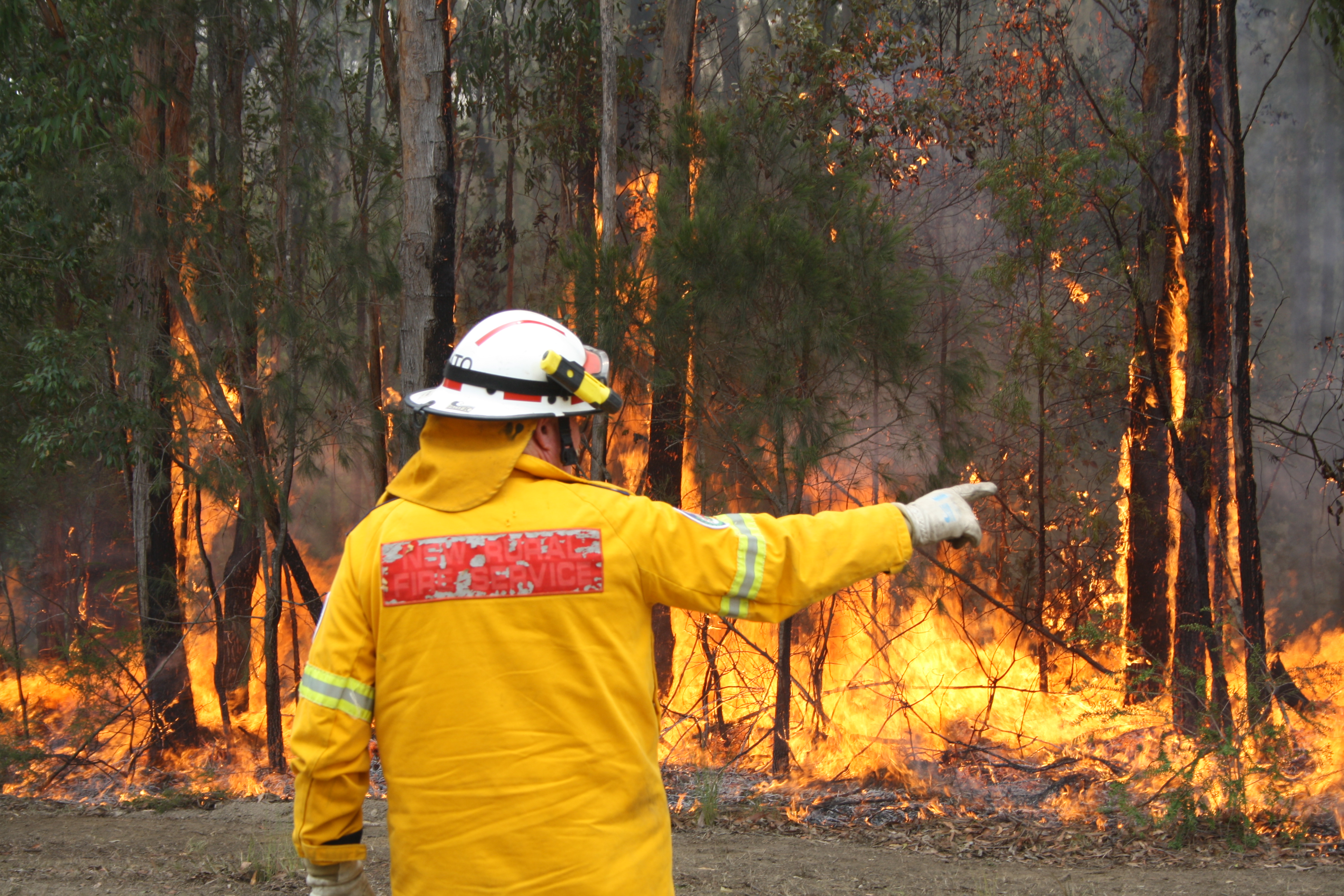
Raised in the Shoalhaven among pristine forests and rivers, her childhood instilled a respect for nature. The 2019-20 bushfires, which came within a kilometre of her family home, transformed her passion into purpose.
Ms Frank fought to protect bushland and later campaigned against logging in native forests devastated by fire. In 2023, she gained national attention through a tree-sit protest halting logging operations, highlighting the urgency of protecting native forests. Her courage and impact were recognised when she was named Young Environmentalist of the Year by the Bob Brown Foundation in 2023.
'That was a big turning point'
"We had the 2019-2020 Black Summer bushfires where we saw 85 per cent of our south coast forests get burnt. And then we saw floods as well," she said.
"I've always been, knowing the importance of Country and have done environmental work from a young age, but these bushfires was a really big point where... less than three months after those bushfires, we saw New South Wales forestry entering our south coast forests again, to start logging the same forest that got burnt. That was a big turning point where we look at fires and natural disasters which we can't stop, but logging our forests is a human activity that we can stop. I have been campaigning on that for about five or six years so far."
Ms Frank said First Nations leadership in fighting climate change was crucial to protect Country, biodiversity and cultural heritage.
"First Nations people... we see the impacts on the ground... what we're speaking from is our lived experiences on Country and the impact climate change is having, not only on our environment and our beautiful native animals - so many are now endangered or threatened - but also the impact that it has on culture," she said.
"We think about Country. Country holds our ancestors, it holds our connection to land, waterways and skies. And it also has all of our sacred sites. And so, the more we're impacted by climate change, we're losing these really important cultural sites. The next generation of young people won't get to experience Country like I did - getting to grow up getting to go out on Country with Elders and seeing these sacred sites - if they're not there because of climate change and environmental destruction."
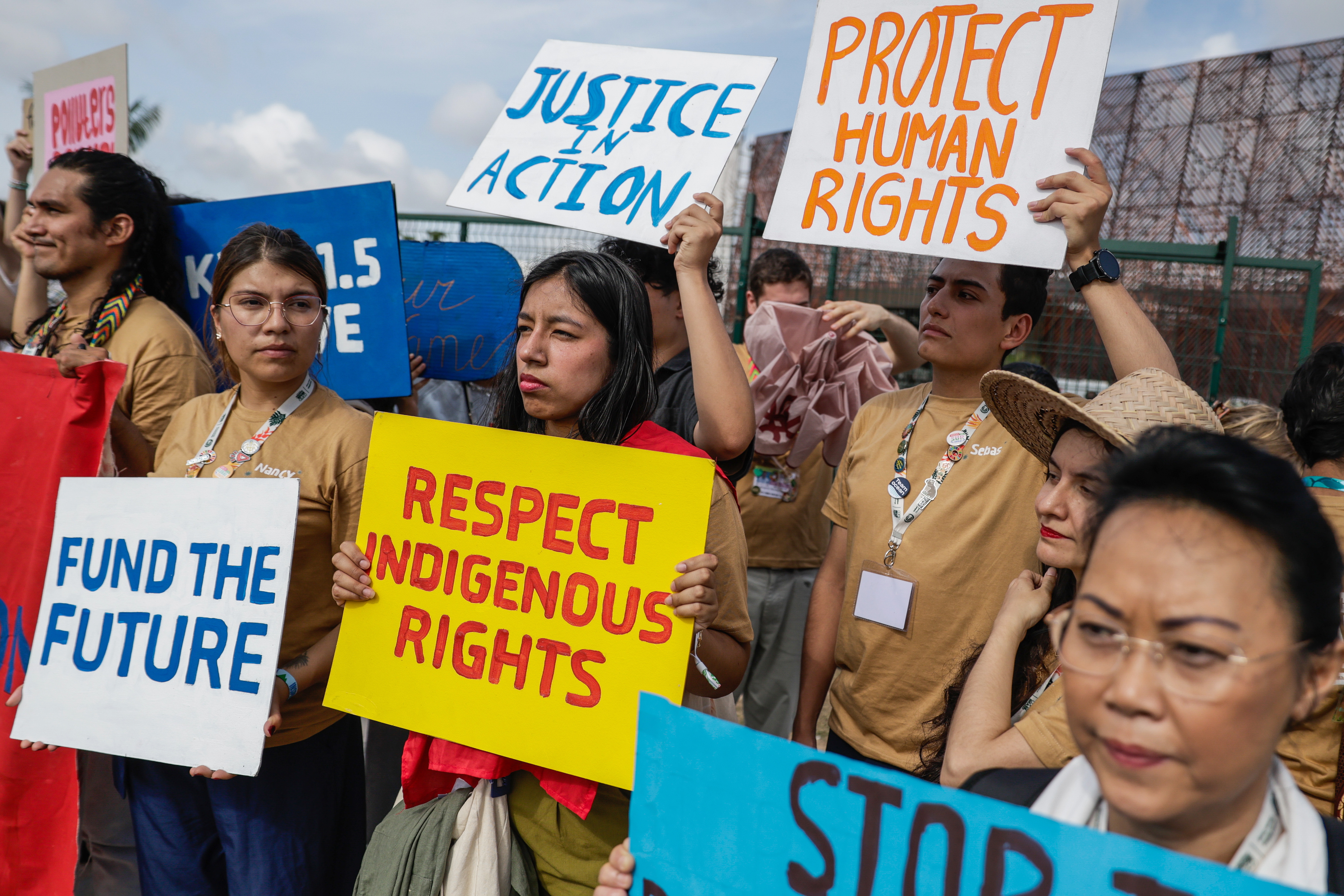
At COP30, Ms Frank championed Indigenous knowledge and the right of young voices to be heard in climate decision-making.
Governments say one thing then do the opposite
"We do see governments come out with environmental programs and things that they're doing - one thing that's positive for the environment - but then we also see here in Australia they then approve the largest coal mine that we have seen in how long? They're saying some things, but then they're doing other things that literally are the opposite," she said.
She highlighted the positive work being done by "local communities and the work that people are doing on the ground".
"I think that is such important work. We often look at this large scale thing of what we have to do as an entire country, but if we zoom into local communities, there are so many environmental organisations across Australia working so hard to help create change," Ms Frank noted.
"We have to acknowledge that work... the impact of that work is really important. We're seeing people that are saving forests across Australia, people campaigning against coal and gas companies on the ground. That's where the action is happening now.
"We really need to support those campaigns and those actions more... At the end of the day, we look at those small local communities that are creating change. They're so vital to climate justice and the movement of getting to a place where we have a sustainable future for the next generations."
The time for action is now
"It is really urgent... I think the majority of people know that now. But I think it gets down to how we're going to get there," Ms Frank said.
"We have these big climate conferences, and then we have the NDCs... nationally determined contributions... every country submits one, but something I learned recently was that a country can create an NDC and say that they're going to do all of these things, but it's not actually legally binding. If a country says they're going to do something and then they don't do it, there are no consequences, and without consequences, what is pushing countries to follow those NDCs?"
Ms Frank noted it is important to shine a spotlight on the work being done to protect the environmental and turn the climate crisis around.
"I want to point out... the work done by individual people, not only across Australia, but across the world. Those actions don't have to be really big actions, but we can really create large change with small actions, things like talking to your MPs, signing petitions, sharing something to your Instagram story," she said.
"All of it is important. I don't think we should look at it like 'oh, there's all of these really big people in the environment space that are doing all the work, that means I can just sit back' or 'I don't need to engage'.
"The other point is you don't have to be across everything about climate change to be active in the space. You don't have to know all of the science and all of the policy in order to do something to help in your own way. I think that's really important.
"If you have the passion to create change, then you can create change. The work doesn't stop after one conference; the work is what happens between each COP. It's not just the people and the delegates that are at COP, but it's every single individual that needs to be doing something to get climate justice and have a positive impact on our environment."