





The illegal trade of Australian wildlife is a lucrative black-market industry, fueling demand for exotic pets, private collections, and animal-based products.
Despite strict national laws banning the commercial export of native species, traffickers continue to smuggle animals out of the country, exploiting loopholes and evading law enforcement.
From marsupials to rare reptiles and birds, Australia's unique fauna has become a target for global wildlife crime networks.
Roughly 87 per cent of Australia's mammals, 93 per cent of reptiles, and 45 per cent of birds are found nowhere else on Earth, making them highly sought after on the international market.
For Aboriginal and Torres Strait Islander people, these animals are more than wildlife. They are ancestral beings, cultural totems, and vital links to Country.
Their removal through trafficking not only threatens biodiversity but disrupts the spiritual and ecological balance maintained by Indigenous communities for tens of thousands of years.
While this trade generates millions in profits for smugglers, it comes at a devastating cost, both to the animals and to the Indigenous communities who hold them sacred.
The Cultural and Spiritual Importance of Native Wildlife
Kangaroos, in particular, feature prominently in Dreamtime stories and songlines, mapping the journeys of ancestral spirits across Country.
Yuin Elder Uncle Max Dulumunmun Harrison, speaking to Australian Geographic, highlighted the deep-rooted connection between Indigenous peoples and these creatures.
"Kangaroos continue to be a sacred totem for First Nation People," he told Australian Geographic.
"There exists a living ancestral relationship, uniquely bound between Indigenous Australians and kangaroos, which shall be preserved historically, spiritually, culturally and environmentally for all times."
Indigenous knowledge systems have long governed sustainable wildlife management, ensuring animals were only taken when necessary, with respect and ceremony.
Noongar Elders, for example, revere Carnaby's black cockatoo as a messenger of seasonal change, guiding when certain resources should be gathered.
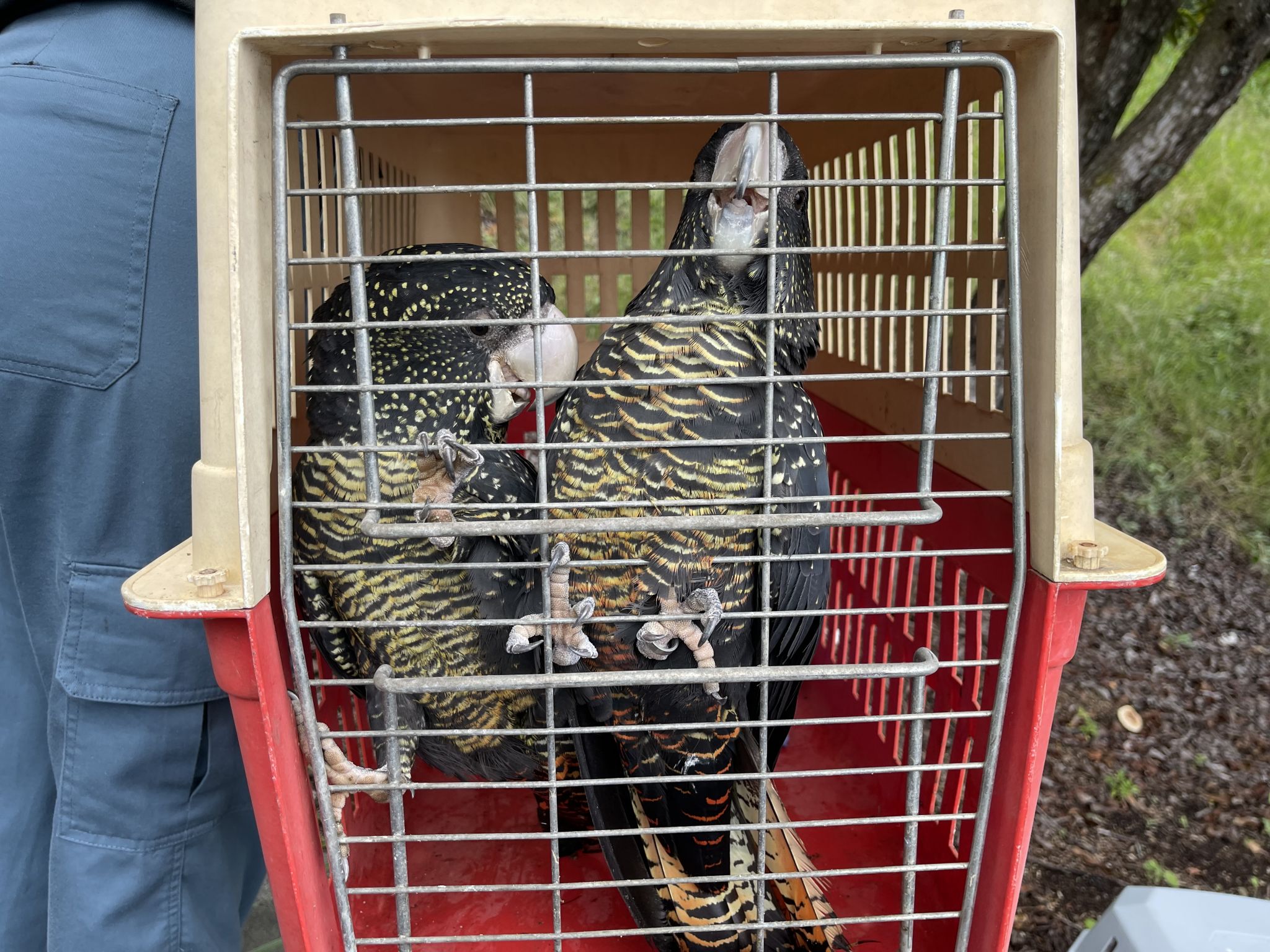
In an interview with Murdoch University's Elders Yarning Circle, Noongar Elder Franklyn Nannup recalled being taught that "when black cockatoos flew south, they brought rains, and when they flew back north, they took the rain away".
The removal of these animals through poaching and illegal trade disrupts these traditions, making it harder for communities to pass down cultural knowledge.
Aunty Ro, a Yuin woman and cultural advocate, told People Against Killing Kangaroos no Indigenous person who respects culture "supports the indiscriminate slaughter of any wildlife species for profit."
"It flies in the face of Indigenous Culture."
Despite these long-held values, Australia's native wildlife continues to be stolen and sold across international borders, often under cruel and inhumane conditions.
Profits and Victims
Wildlife trafficking is one of the world's largest illegal trades, worth between USD $10-23 billion annually, according to the World Wildlife Fund (WWF).
While the exact number of Australian animals smuggled each year is difficult to quantify, the Australian Border Force has reported more than 4,000 illegal wildlife shipments intercepted in a single year.
However, experts warn this is just the "tip of the iceberg", as many cases go undetected.
Certain species fetch exorbitant prices on the black market.
According to TRAFFIC, Australian blue-tongue lizards and shingleback skinks can be sold for $1,000-$20,000 per animal, while rare black cockatoos have been priced at up to $15,000 overseas.
Even larger species like kangaroos and wallabies are trafficked, though less frequently due to their size.
In 2023, 7NEWS Australia reported that a group of wallabies was found abandoned in Vietnam, likely smuggled from Australia to supply exotic pet owners.
In another case, Yahoo News reported that a wallaby was discovered dead on a roadside in Slovakia, thousands of kilometers from its natural habitat.

How Are These Animals Smuggled?
Wildlife traffickers use extreme measures to conceal animals and evade detection.
Common smuggling methods include;
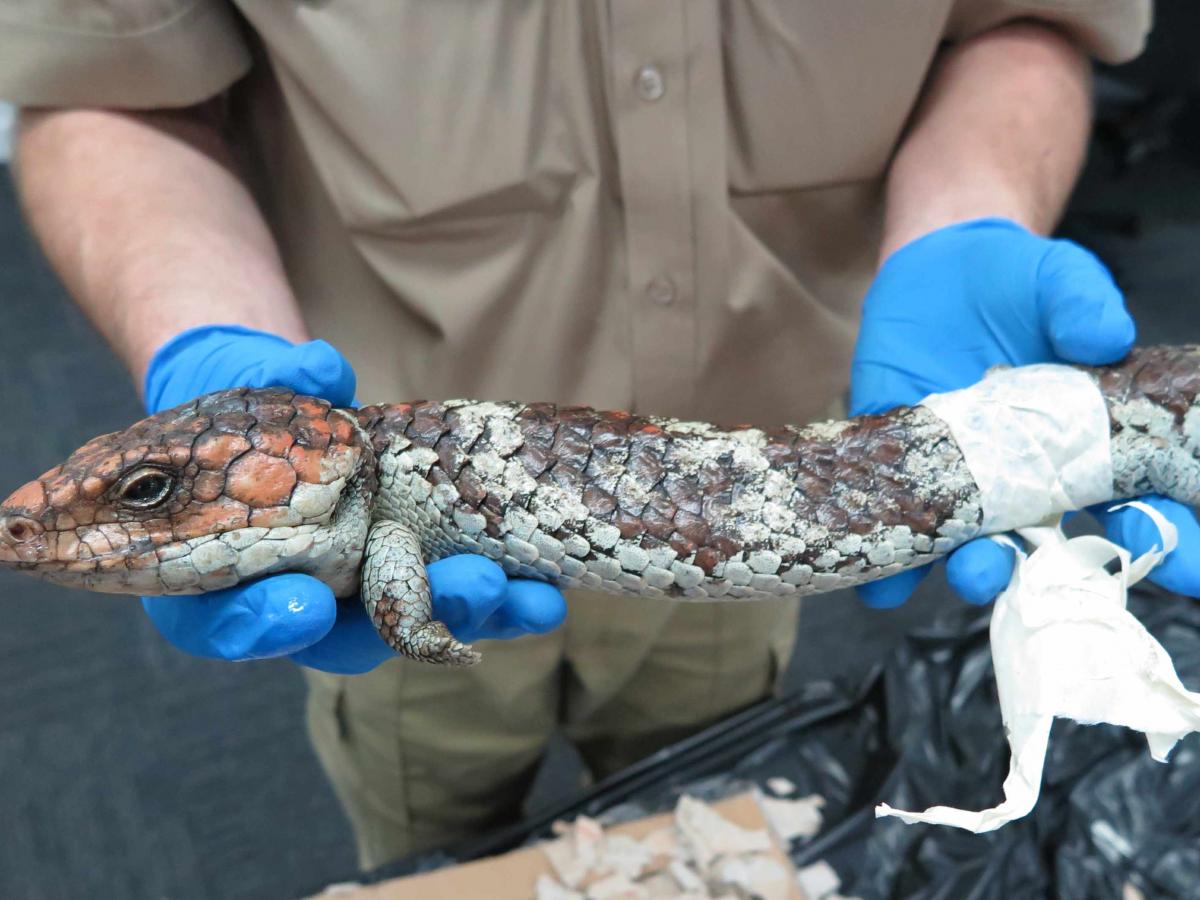
Body strapping and luggage concealment: Small reptiles and birds are taped to smugglers' bodies or hidden inside suitcases. In one case, Australian Border Force reported that a man was caught at an Australian airport with 50 parrot eggs strapped to his chest.
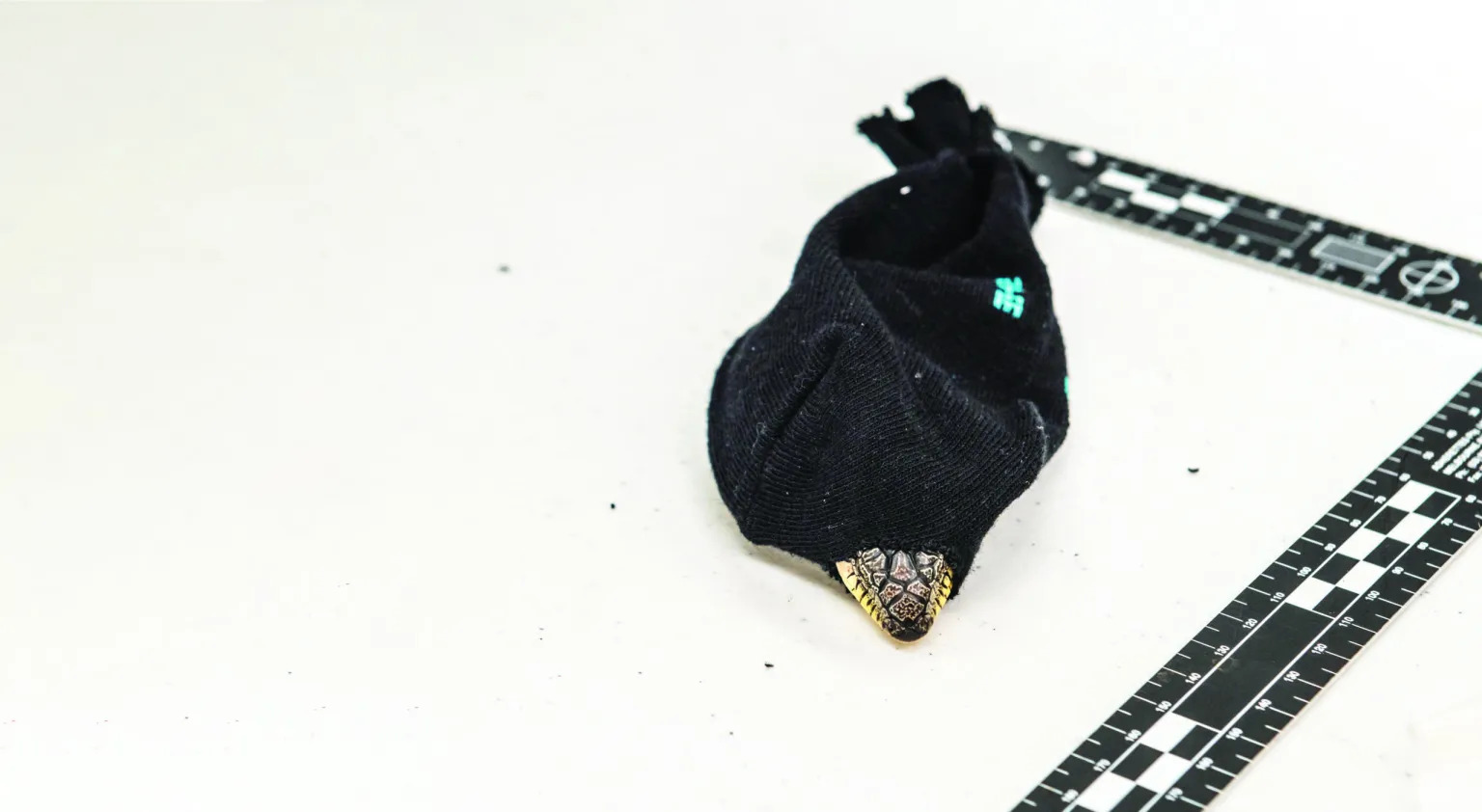
Postal and freight shipments: Animals are mailed overseas in plastic tubing, DVD cases, or electronic devices. In a case uncovered by Operation Sheffield, lizards were found stuffed inside chocolate boxes and chip cans, with their mouths taped shut.
False permits and breeding fraud: Smugglers use fake export documents or claim animals are captive-bred to pass legal checks.
Courier networks: Young backpackers and foreign travelers are sometimes recruited as wildlife "mules", smuggling animals in exchange for free trips.
Once trafficked, Australian wildlife often ends up in;
Exotic pet markets: Particularly in Europe, the USA, and Japan, where rare reptiles and birds are prized collectibles.
Private collections and breeding mills: Wealthy individuals seek out Australian species as status symbols, with some animals illegally bred for further sale.
Underground zoos and roadside attractions: Some animals are funnelled into unlicensed facilities, where they are displayed in poor conditions.
Many smuggled animals do not survive the journey, dying from suffocation, dehydration, or injury.
The European Union Wildlife Trade Report estimates that up to 75 per cent of wild-caught birds die before reaching their buyers.
Wallaby Sightings Abroad
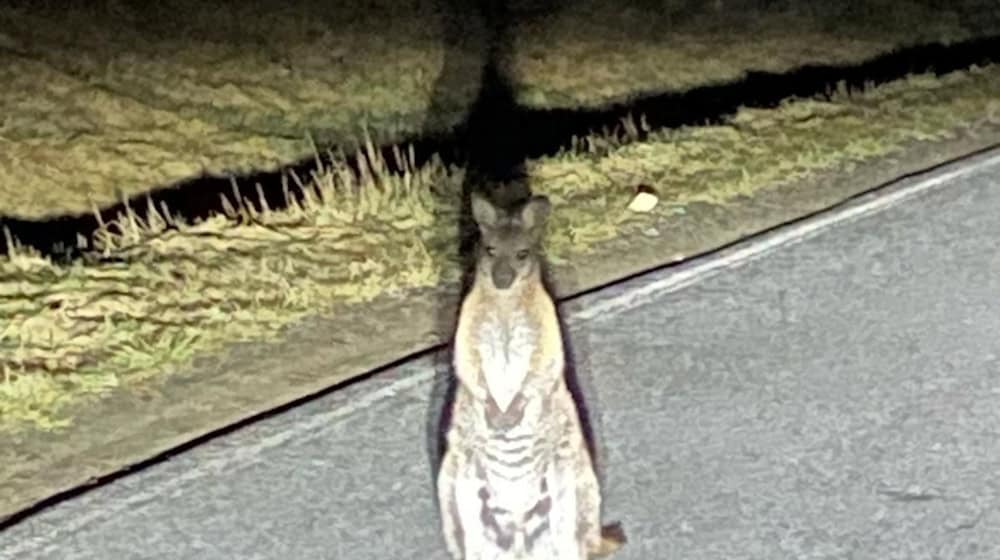
In March 2025, a wallaby was spotted on a rural road in the Schönbach district of Sebnitz, Saxon Switzerland (Germany), prompting a police search.
A driver reported the sighting and provided a photo to authorities.
The following day, a local woman came forward to report her wallaby missing, and police confirmed the two incidents were connected.
No zoos or wildlife parks in the area had reported any animals missing, and officials determined the wallaby had escaped from private ownership.
While the animal was still loose at the time, the case is considered resolved.
Impact on Australia
Beyond the suffering inflicted on individual animals, the illegal trade has broader consequences for Australia.
Biodiversity loss: Removing animals from the wild disrupts ecosystems, reducing genetic diversity and threatening species survival.
Cultural harm: Indigenous communities lose access to totemic species, impacting cultural traditions and teachings.
Biosecurity risks: Smuggled wildlife can introduce foreign diseases into Australia, harming native populations.
Undermining conservation efforts: Many trafficked species are already facing habitat destruction, and illegal trade accelerates their decline.
Legal Ramifications
Australia has some of the world's strictest wildlife protection laws under the Environment Protection and Biodiversity Conservation Act 1999 (EPBC Act).
Exporting native wildlife without a permit carries penalties of up to 10 years imprisonment and $110,000 AUD in fines.
However, enforcement remains a challenge due to a number of factors.
The sheer size of Australia, making it difficult to police remote poaching hotspots.
Inconsistent state laws, where penalties vary, creating loopholes for traffickers.
Resource limitations, as wildlife crime units are small and overstretched.
In Europe, the illegal wildlife trade is regulated by the EU Wildlife Trade Regulations, but enforcement is patchy.
A major legal loophole is that many Australian species are not listed as endangered, meaning they can be sold legally once they reach Europe.
This allows traffickers to launder smuggled animals through breeding claims.
What Can Be Done to Stop the Trade?
Experts and Indigenous leaders suggest several strategies to combat wildlife trafficking.
Stronger border enforcement: Increase wildlife sniffer dog teams, customs screenings, and postal monitoring.
Closing legal loopholes: Europe must recognise Australia's export bans and make it illegal to sell species smuggled from the wild.
Harsher penalties: Courts must impose maximum sentences on wildlife traffickers to act as a deterrent.
Indigenous-led conservation: Traditional Owners should be empowered to manage wildlife protection programs, blending Indigenous knowledge with modern conservation methods.
Public awareness campaigns: Many buyers do not realise their exotic pets were illegally taken from the wild.
A Final Message
For Indigenous Australians, protecting native wildlife is about more than conservation, it is about safeguarding their culture, stories, and responsibilities to Country.
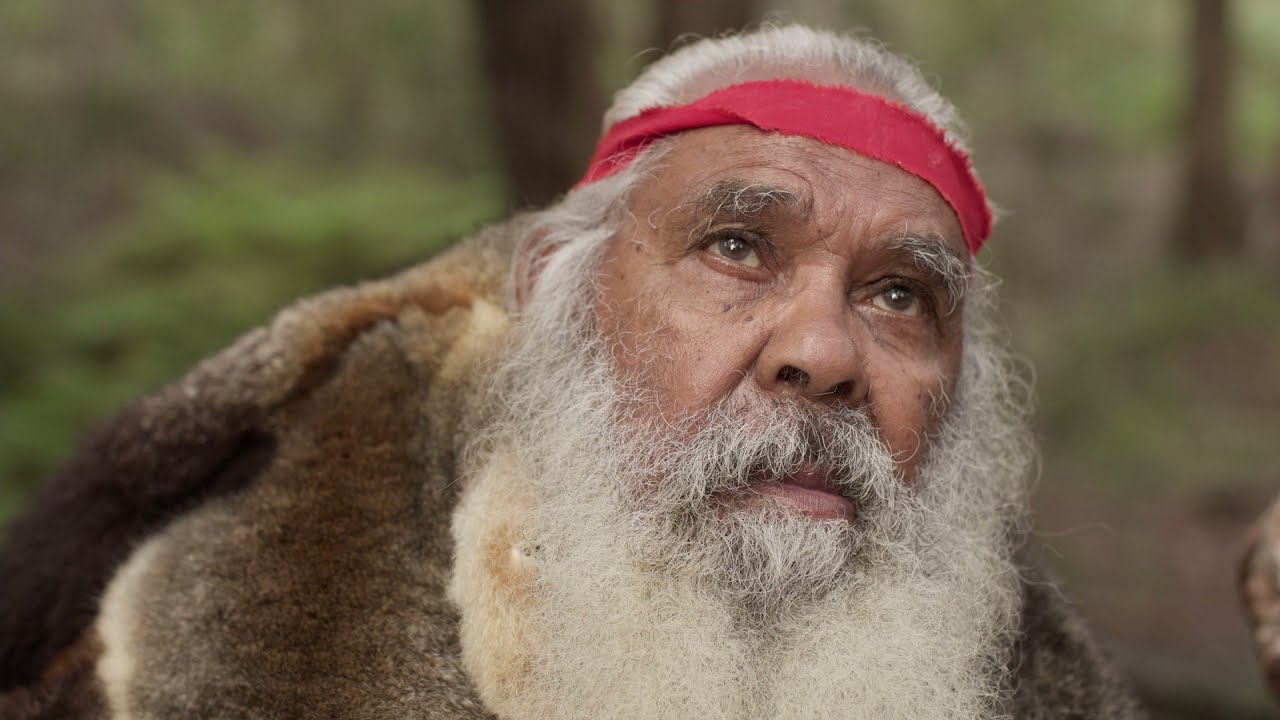
Yuin Elder Uncle Max Harrison, speaking to National Geographic, leaves a powerful reminder.
"When tourists come to Australia, they want to hug a kangaroo, hold a koala, meet an Aboriginal person," he said.
"All three are interconnected in our lore."
"Understand that connection. Don't come out here to kill. Come out here to embrace."