




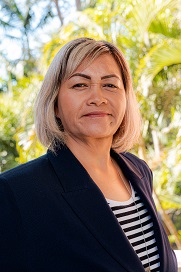
Dr Sophie Karangaroa of Curtin University's Centre for Aboriginal Studies recently presented at the World Indigenous Peoples' Conference on Education (WIPCE); showcasing powerful insights into how Indigenous university students draw on cultural strength, identity and community to succeed in higher education.
Dr Karangaroa, of Ngāti Kahungunu and Ngāpuhi descent (Aotearoa/New Zealand), explored the idea of Indigenous self-determination and how it applies to students studying in academic settings.
Interviewing various indigenous students, Dr Karangaroa studied how Indigenous culture and heritage helps with confidence in that space.
"Celebrate who we are. Working with so many amazing Aboriginal students in my work I can already see, and I could already tell that the students bring confidence and pride," she told National Indigenous Times.
"They have that with them. It just motivates and empowers students to do well. If we feel connected to our families, to our culture, then we will succeed. That is the simple formula.
"Being able to encourage those students who may be one or two in a class of 40, That is where that support needs to come."
Dr Karangaroa's research is documented and displayed through a six-episode webseries that can be found on Curtin University's Youtube channel.
Each episode is enriched with storytelling, Indigenous cultural Identity, representation and exploring each individual's unique journeys highlighting and celebrating Indigenous self-determination.
"I was fortunate to get some funding for next year, so I'm going to be developing a web series into resources for postgraduate students and for the university. That'll be done with the students, who are already in who are doing their post-grad or their masters or their PhD they will come together," she said.
"Further down the track, I would like to look at the Māori and Nyunga relationship and relationality kind of research around identifying both cultures and how that looks for our cultural identities, to ensure that their social and emotional well-being is as best as it can be and that they can embrace their cultures."
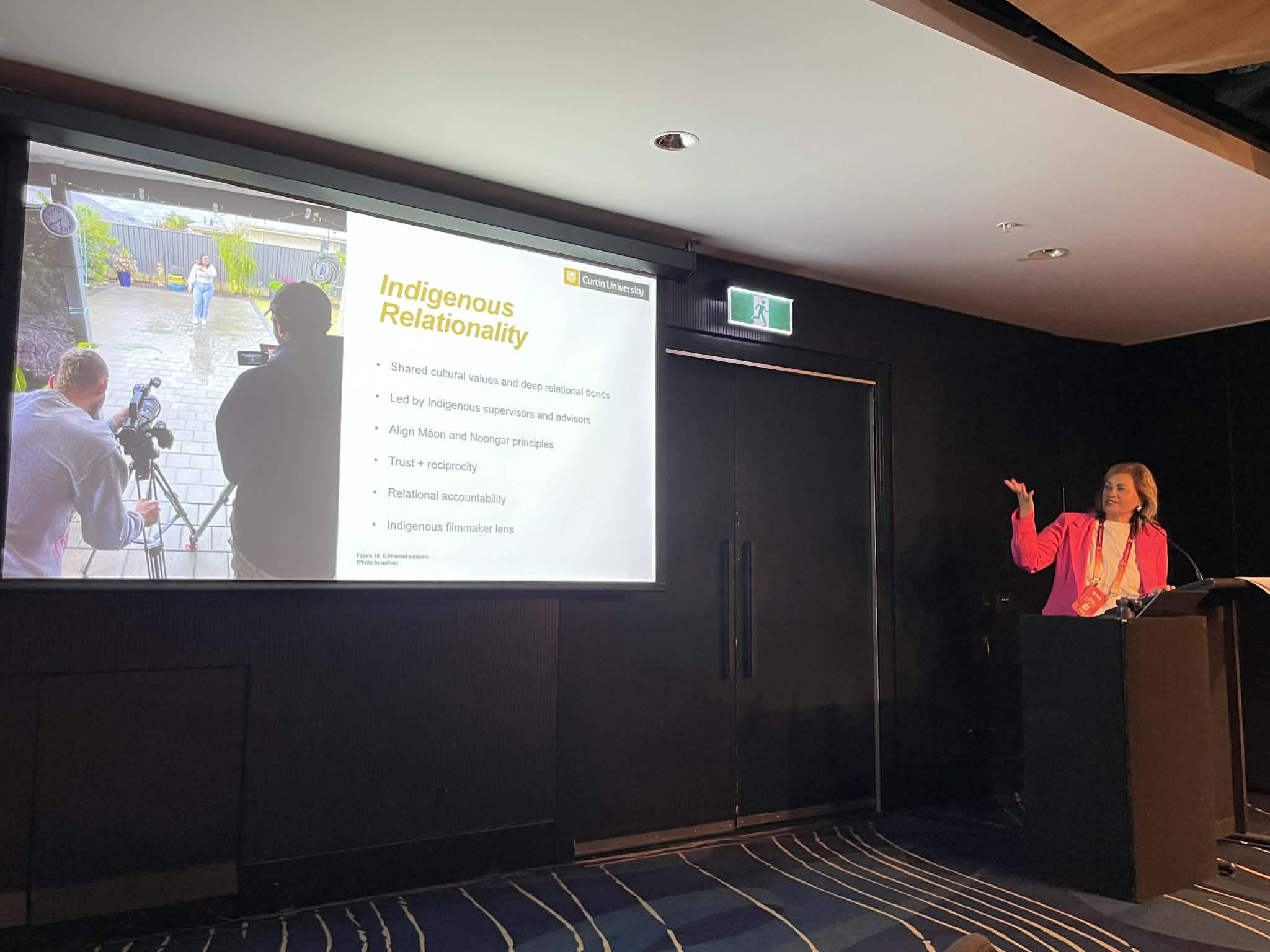
Dr Karangaroa, Project Officer with the Moombaki Cultural Learnings project, completed a Master of Indigenous Studies, Otago University (Aotearoa) and BA TESOL, BYU-Hawaii (USA) before her PhD through Curtin University.
She presented her findings at the World Indigenous Peoples' Conference on Education in Auckland in November, which welcomed over 3000 attendees from around the world.
The WIPCE is the largest indigenous education conference and is held every three years in different countries, it was the first time in 20 years that the conference returned to Aotearoa/New Zealand.
The conference is known for bringing indigenous people together across the globe and while centred on education the conference also covers themes of climate, health, language, politics, wellbeing and more.
"But the most impressive thing was there were a lot of young people there. These young people were speaking in language and performing cultural dance, as well as the academic side," Dr Karangaroa said.
"It was a privilege for me to be able to share my research, in one of the sessions and get to network with amazing researchers doing really impactful work, around the world."