




Fiji's rising rice imports have renewed pressure to strengthen domestic production, with the crop remaining central to household diets, community livelihoods and national food security.
At the Dreketi Training Centre in Vanua Levu, Minister for Agriculture and Waterways, Tomasi Tunabuna, told staff and farmers that increasing local output is now a priority as the sector continues to face significant challenges.
Rice remains important to daily life across the country, forming a core part of household consumption and community livelihoods.
"Rice is not only a staple food but a livelihood for thousands of families," Mr Tunabuna said.
"It provides nourishment to our people and forms the basis of many traditional dishes that define our identity as Fijians."
Mr Tunabuna said the crop's value extends beyond consumption and contributes directly to community wellbeing and economic stability.
He outlined the pressures affecting growers and said the issues reflect those facing global agriculture.
"Like many agricultural industries around the world, rice farming in Fiji is affected by climate change, rising costs of production, water management issues, limited access to modern technologies, and outdated farming practices," Mr Tunabuna said.
He noted that Ministry programs are ongoing, but current production levels are not meeting national demand.
"With all the efforts the Ministry is putting into developing the rice industry, our imports continue to grow," he said.

National data shows the gap between what Fiji produces and what the country consumes.
In 2024, Fiji produced 8,598 metric tonnes of rice, with 5,014.1 metric tonnes coming from the Northern Division.
This output came from 1,301.6 hectares of farmland and involved 969 rice farmers in the division.
During the same period, Fiji imported rice valued at $86.6 million FJD, which was a 5.2 per cent increase from 2023.
Mr Tunabuna said the figures demonstrate that domestic production is not keeping pace with demand.
"It is therefore essential to address current production challenges to improve our self-sufficiency," he said.
"We have the potential to achieve a high level of self-sufficiency, supported by favourable climatic conditions, fertile soils, improved crop varieties, and strong research backing."
A recent Ministry survey shows that 1,699 households across Fiji are directly involved in rice production.
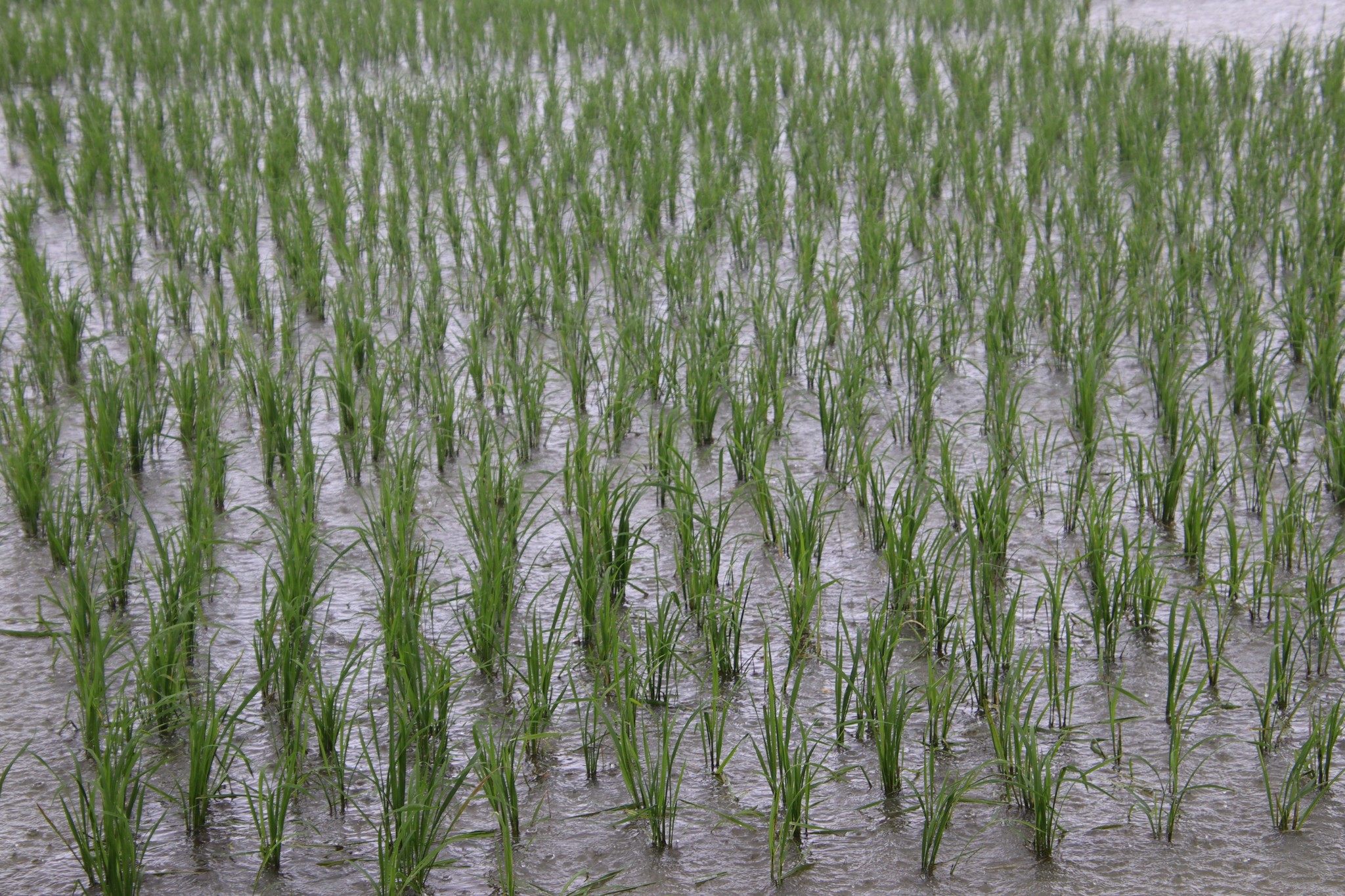
The Northern Division continues to be identified as a key region because of its land availability and climate conditions.
Mr Tunabuna said targeted reforms and stronger collaboration will help unlock this potential.
"We must embrace new and innovative solutions," he said.
"We must also undertake necessary reforms within the rice industry to make it more efficient and productive in order to meet the demands of our community."
He encouraged closer coordination between farmers, Ministry staff and technical specialists to support growth and improve livelihoods.
The aim is to strengthen production systems, reduce reliance on imports and create steady income opportunities for communities that depend on rice.
Mr Tunabuna said the future of the industry relies on adopting new tools and approaches.
"Looking ahead to the future of rice production in Fiji's Northern Division, we must stay optimistic and proactive, using our knowledge, resources, determination, and the adoption of new technologies to build a more prosperous and sustainable future for our rice farmers," he said.
As part of his visit, Mr Tunabuna released tilapia fish into a rice-fish symbiotic system being trialled for the first time in Fiji.
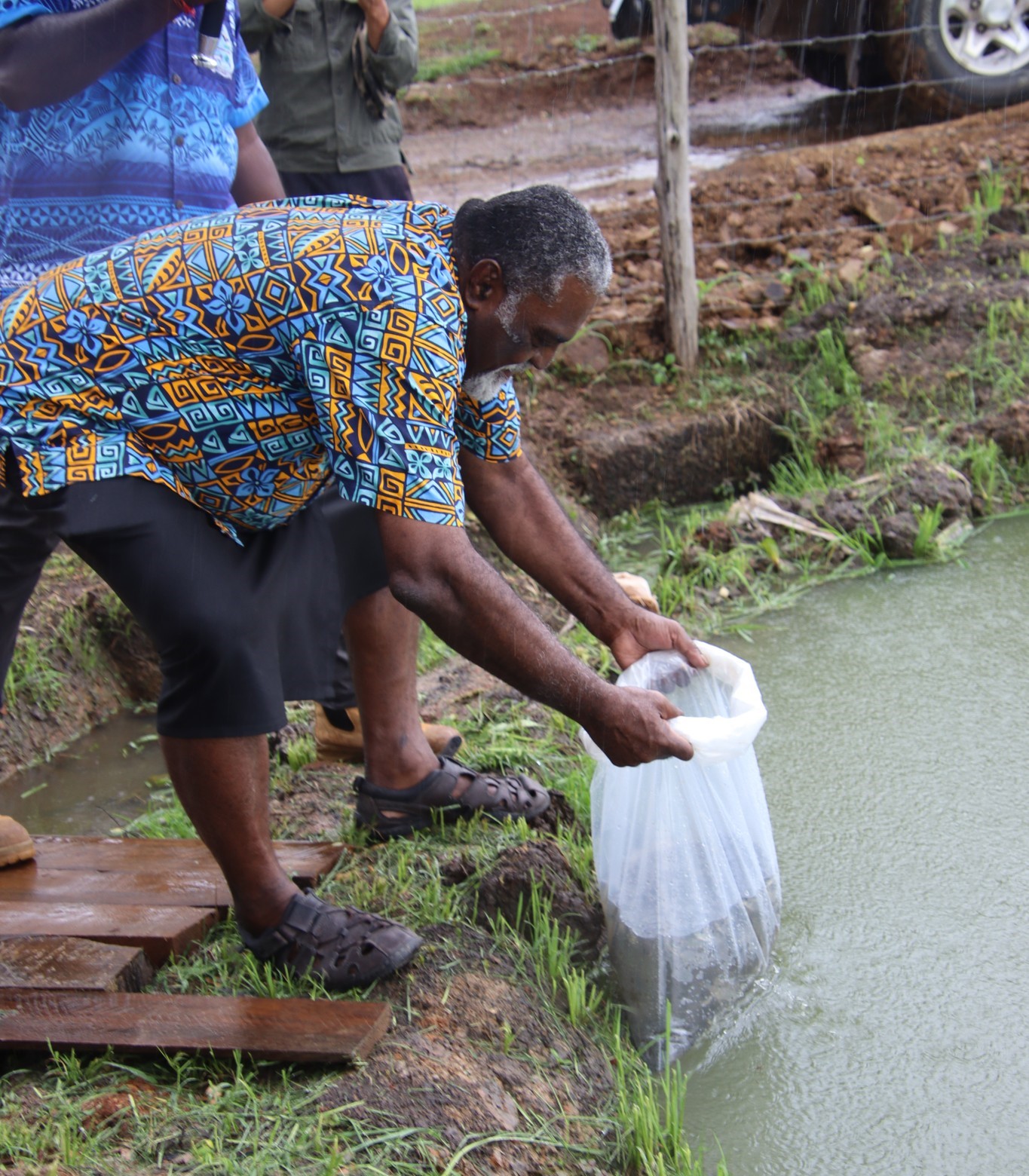
The system is being implemented with Chinese rice experts based at the Dreketi Agriculture Station.
The Ministry said the method, used for more than 2,000 years in other parts of the world, allows fish and rice to grow together in a shared environment.
The fish swim and feed in the rice field, which helps improve water flow, loosen the soil, and reduce weeds and rice pests.
The approach offers ecological and economic benefits and may support long-term improvements in production efficiency.