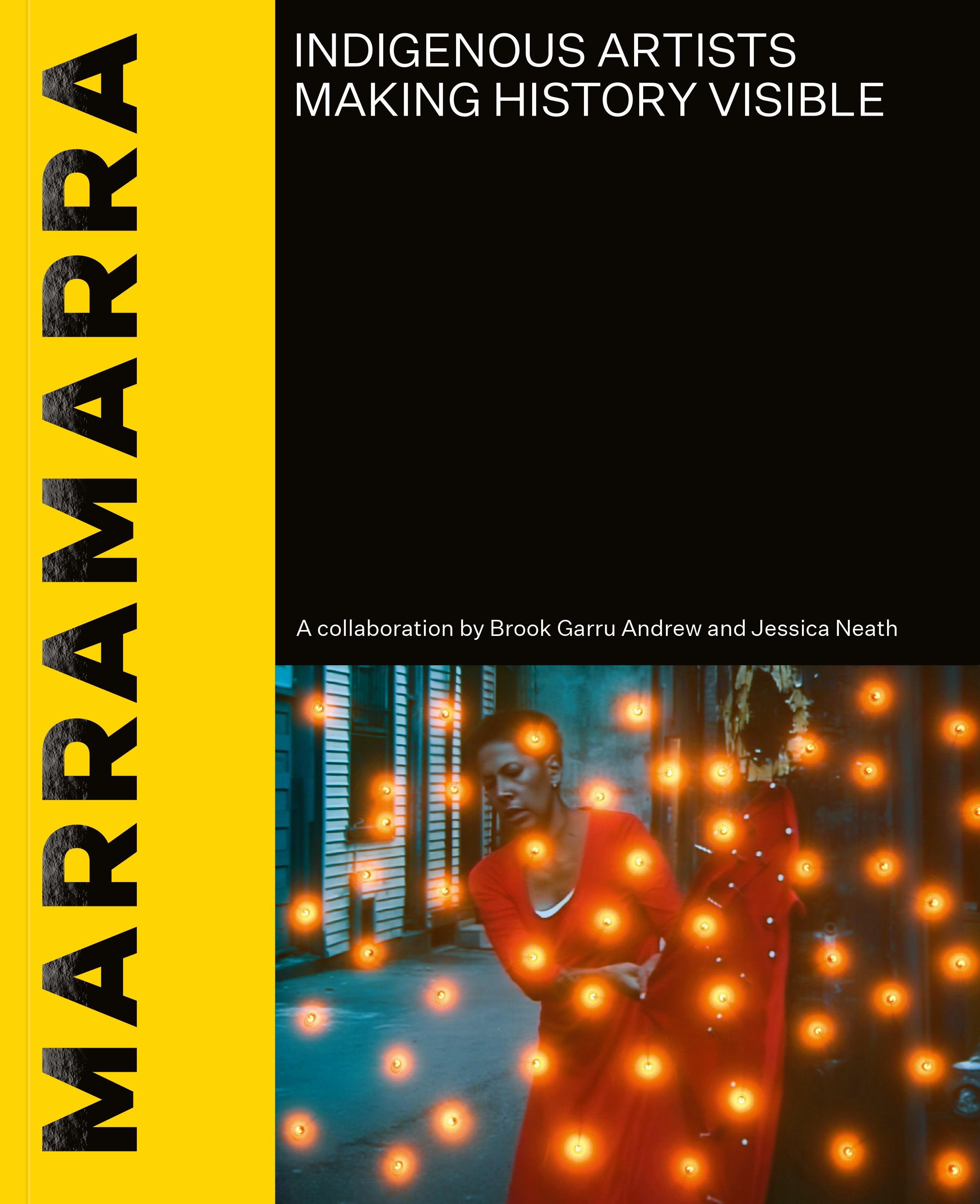



In marramarra: Indigenous artists making history visible, out 1 November, Indigenous artists, Elders and communities across the world tell their stories on their own terms through conversations, bilingual essays and poems, and visual images of artworks, gatherings and significant places.
Through their work they are reconnecting with Ancestral memories, upholding sovereignty and imagining Indigenous-empowered futures.
Massacres and other crimes against humanity can leave fractured communities and families in their wake. How should these stories be told and by whom?
Each chapter of marramarra is led by an artist's voice focused on the making of a set of powerful artworks. These artist-led conversations centre the importance of land, kinship and memory in finding pathways of healing, guided by frameworks of Indigenous knowledge that challenge Western constructs of history.
The concept of the book grew from the Australian Research Council Discovery Indigenous project 'Representation, Remembrance and the Memorial' (RRM) at Monash University. Led by Brook Garru Andrew with mentorship from Yiman and Bidjara scholar Prof Marcia Langton and research assistance by Jessica Neath, the project considered the memorialisation of the Australian Frontier Wars in an international perspective of remembering traumatic histories.
Through their research, the authors connected with a number of international Indigenous-led remembrance projects including the Sand Creek Massacre National Historic Site in the United States and Myall Creek memorial in Australia, both featured in the book, along with Australian Indigenous artists Judy Watson, Yhonnie Scarce and Julie Gough, who are telling truths about frontier violence and massacre events in their artworks.
The book explores truth-telling and creative action in addressing traumatic histories of colonisation, war and genocide. It examines alternative/artistic approaches to memorialisation of Australian history, and reckoning with histories of brutal violence in the public sphere.
marramarra profiles leading First Nations artists from around the world, including the Pacific, Turtle Island (North America), Brazil, Finland, Taiwan, Afghanistan and beyond.
Co-author Brook Garru Andrew said the RRM project was the starting point for this book, which "is grounded in the idea of memorial, of monument, of making visible hidden histories".
"From this starting point we have followed a pathway towards healing and the importance of creating a "circle of renewal" – a journey of both loss and renewal that begins and ends with the land," he said.
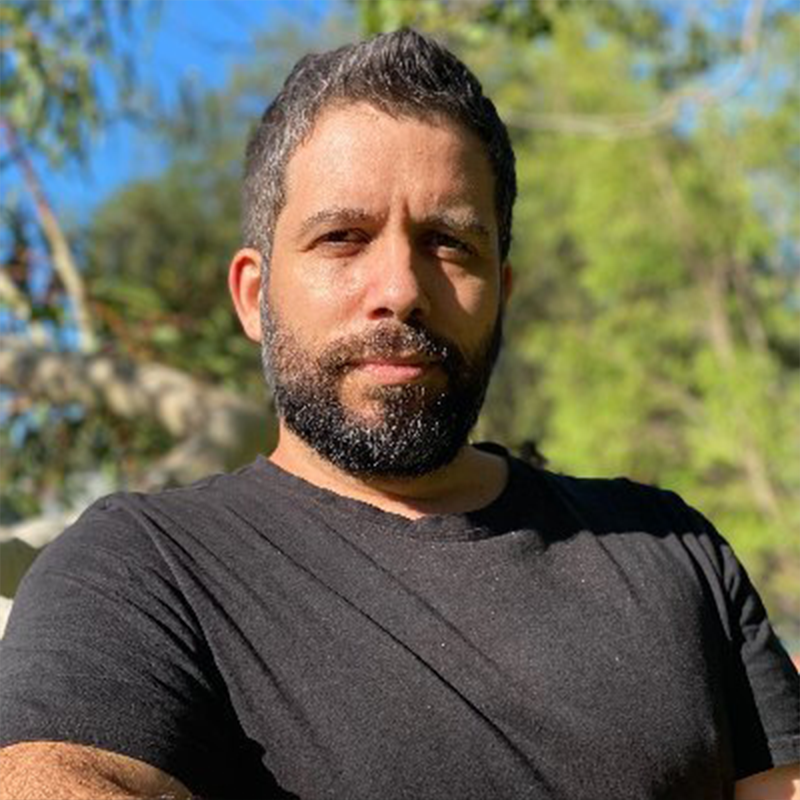
Dr Garru Andrew is considered one of Australia's most important artists and a leading international voice in advocating for Indigenous ways of knowing through contemporary creative practice. His practice is grounded in his perspective as a Wiradjuri and Ngunnawal person.
He is Enterprise Professor in Interdisciplinary Practice and Director, Reimagining Museums and Collections at the University of Melbourne and Curator (First Peoples) at Guggenheim Abu Dhabi.
Co-author Dr Jessica Neath is an Australian art historian of settler descent living and working on Boonwurrung Country in Melbourne. She is a Research Fellow in the Wominjeka Djeembana Indigenous research lab at Monash University.
marramarra: Indigenous artists making history visible will be published on 1 November by NewSouth.