




Fiji has broken ground on a new National Rehabilitation Centre in Tamavua as the country moves to expand care for people recovering from stroke, amputation, injury and other disabling conditions.
The US$10 million project is being funded by the Government of the Republic of Korea through the Korea International Cooperation Agency (KOICA).
The facility is expected to become Fiji's first dedicated national rehabilitation centre and is being positioned as a response to growing pressure on the health system.
Minister for Health and Medical Services Dr Ratu Atonio Rabici Lalabalavu said the development was intended to meet a wider need in the country.
"The National Rehabilitation Centre we break ground for today represents far more than infrastructure," he said.
"It is a major investment in restoring dignity, independence, and quality of life for the people of Fiji."
Once completed, the centre is expected to provide a 20-bed inpatient facility for people requiring intensive rehabilitation care.
It will also expand access to physiotherapy and introduce services including occupational therapy, speech therapy, counselling and community reintegration support.
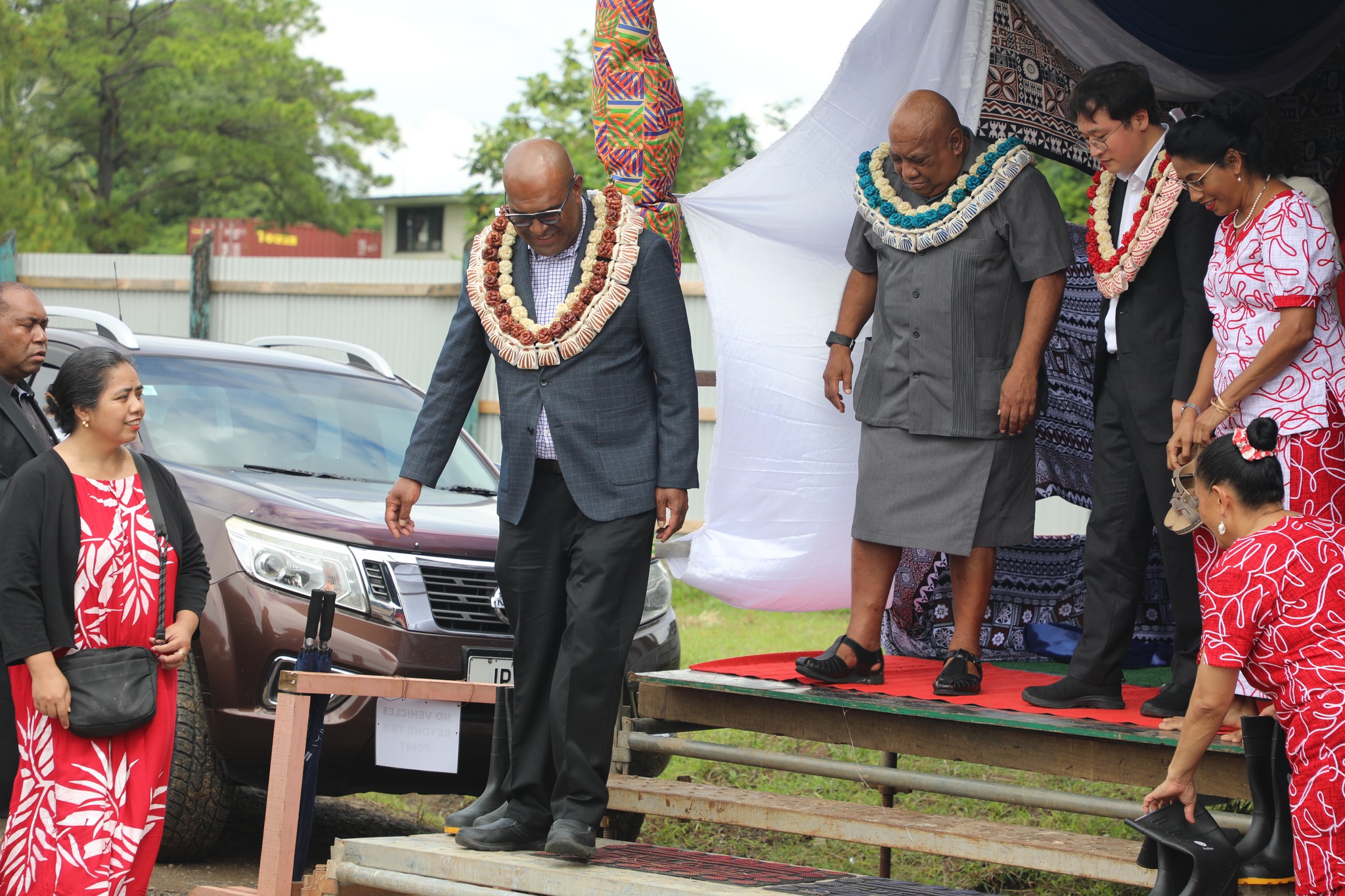
The project comes as the Ministry of Health and Medical Services says Fiji is facing growing demand for rehabilitation care.
The burden of non-communicable diseases, including diabetes and cardiovascular disease, along with an ageing population, is contributing to higher rates of disability.
Current figures show Fiji records approximately 300 new stroke cases each year.
The ministry says many of those patients do not receive adequate rehabilitation after being discharged from the main hospital.
In 2025, 1,650 patients accessed outpatient rehabilitation services.
A further 770 people were reached through outreach programs.
The current rehabilitation ward has capacity for 12 beds.
That ward admitted 72 patients over the past year, with most requiring prolonged inpatient care.
Officials have also pointed to the scale of amputations, which they say occur as often as one every 12 hours in Fiji, largely due to complications from diabetes.
National data indicates approximately 350 people require major lower limb prostheses, while a further 300 need replacements each year.
The ministry has said the project is aligned with its National Disability Inclusive Health and Rehabilitation Action Plan 2023-2027.
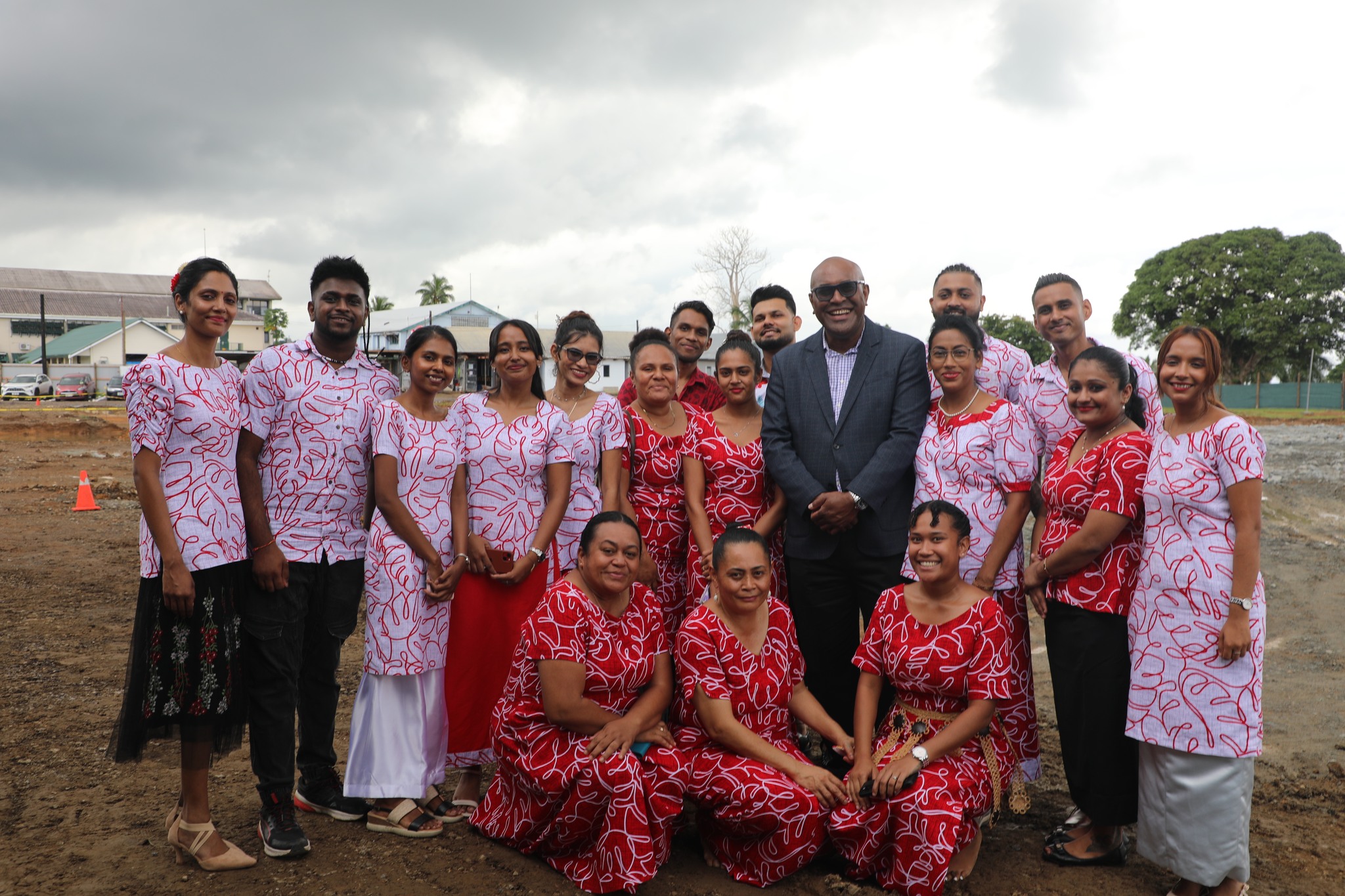
It is also expected to strengthen the capacity of Fiji's health workforce through training and skills development.
That support is expected to include doctors, nurses and rehabilitation specialists.
Modern and specialised equipment for diagnosis, treatment and therapy is also expected to be provided under the wider program.
Officials say improved systems and referral pathways will also be developed so patients can move more smoothly from diagnosis through to rehabilitation and recovery.
KOICA Fiji Office described the project as the beginning of a broader partnership between Fiji and the Republic of Korea in rehabilitation care.
Country Director Han Kyul Sam Cho said the support would extend beyond the building itself.
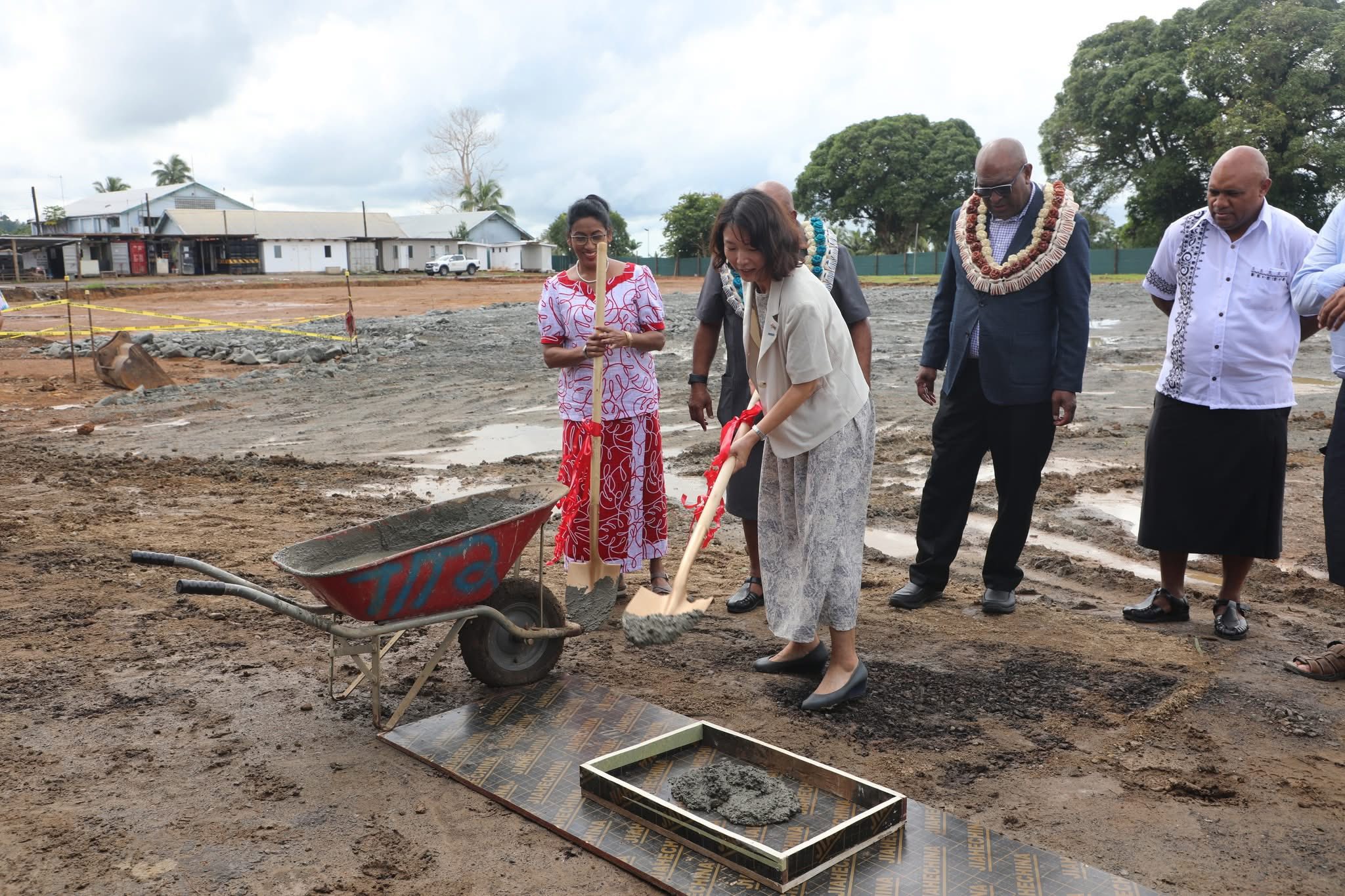
"Through these programs, we aim to enhance skills, share knowledge, and empower local professionals to deliver high-quality rehabilitation services," she said.
"In addition, KOICA will provide modern and specialised equipment necessary for diagnosis, treatment, and therapy.
"These resources will ensure that the centre is well-equipped to meet international standards and effectively serve patients from across Fiji."
Ms Cho said the project reflected years of collaboration between the Fijian Government, KOICA and medical institutions in the Republic of Korea.
She said the centre would help improve access to rehabilitation care for people recovering from illness, injury and disability.
The groundbreaking ceremony in Tamavua also carried a traditional element linked to the land on which the centre will be built.
During the event, Dr Lalabalavu presented a tabua, or whale's tooth, to the Tui Tamavua, also known as the Turaga na Roko Tui Colo, Ratu Apenisa Kalokalo Sere Loki.
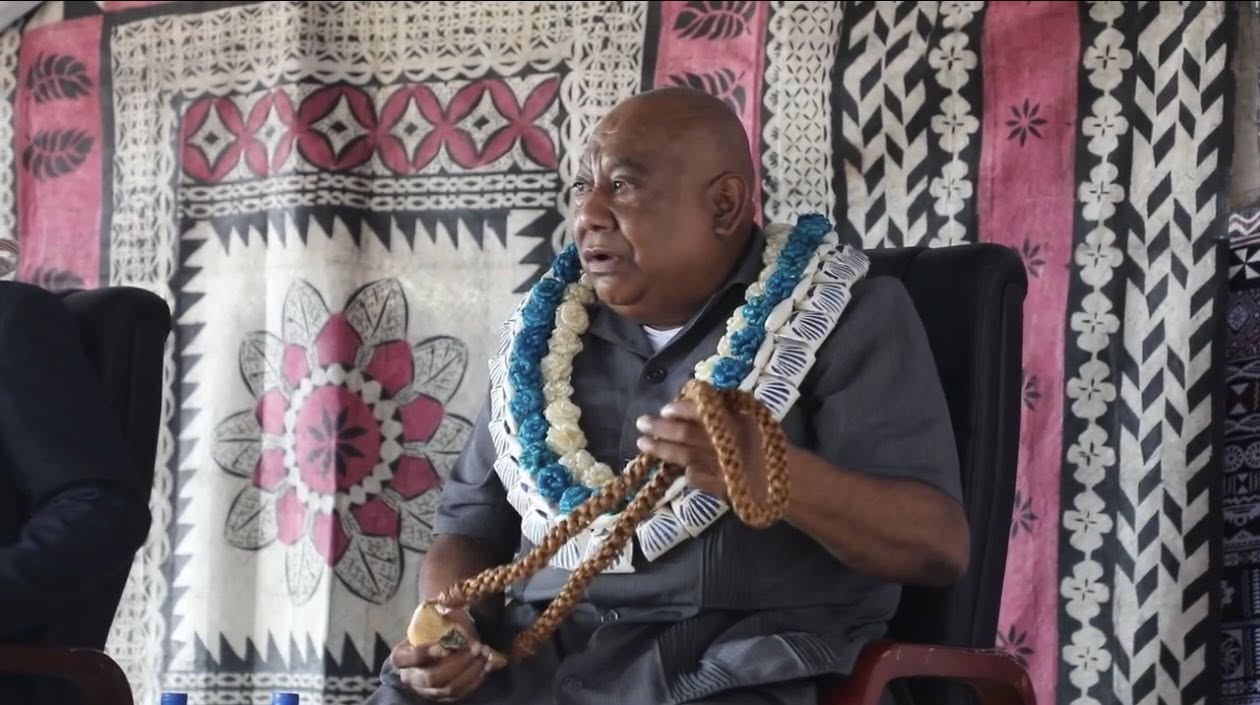
The presentation was made in thanks for allowing the construction of the National Rehabilitation Centre on his land and in recognition of support from his people and ancestors.
In accepting the tabua, Mr Loki said he had not expected the presentation and was proud the ministry's facilities would stand on Tamavua soil.
"Those were decided upon by my ancestors before me and we are just following what they had decided upon for the benefit of the nation," he said.
The ceremony was attended by Korean representatives, senior health officials and project partners involved in the development.
The new National Rehabilitation Centre is being framed as a major addition to Fiji's healthcare system at a time when rehabilitation demand is outpacing existing capacity.
For the Ministry of Health and Medical Services, the centre represents an effort to turn disability-inclusive health policy into a permanent national facility.