




The Fiji Government has launched a farm recovery program and home gardening initiative after Tropical Cyclone Vaianu caused an estimated $1.5 million in agricultural losses across key farming regions.
Initial government assessments found 13,769 agricultural households were directly and indirectly affected by the cyclone and its aftermath.
More than 66.7 per cent of total losses were recorded in the crop sector, including cassava, papaya, banana, plantain, yaqona and export vegetable commodities.
Minister for Agriculture, Waterways and Sugar Industry Tomasi Tunabuna said the losses were being felt by farming families across the country.
"Farmers are the heartbeat of this nation," he said.
"Their resilience has ensured that food continues to reach our tables, even in the face of extreme adversity."
The Initial Damage Assessment was carried out between April 8 and 10.
Flooding and prolonged rainfall caused extensive damage in the Western Division.
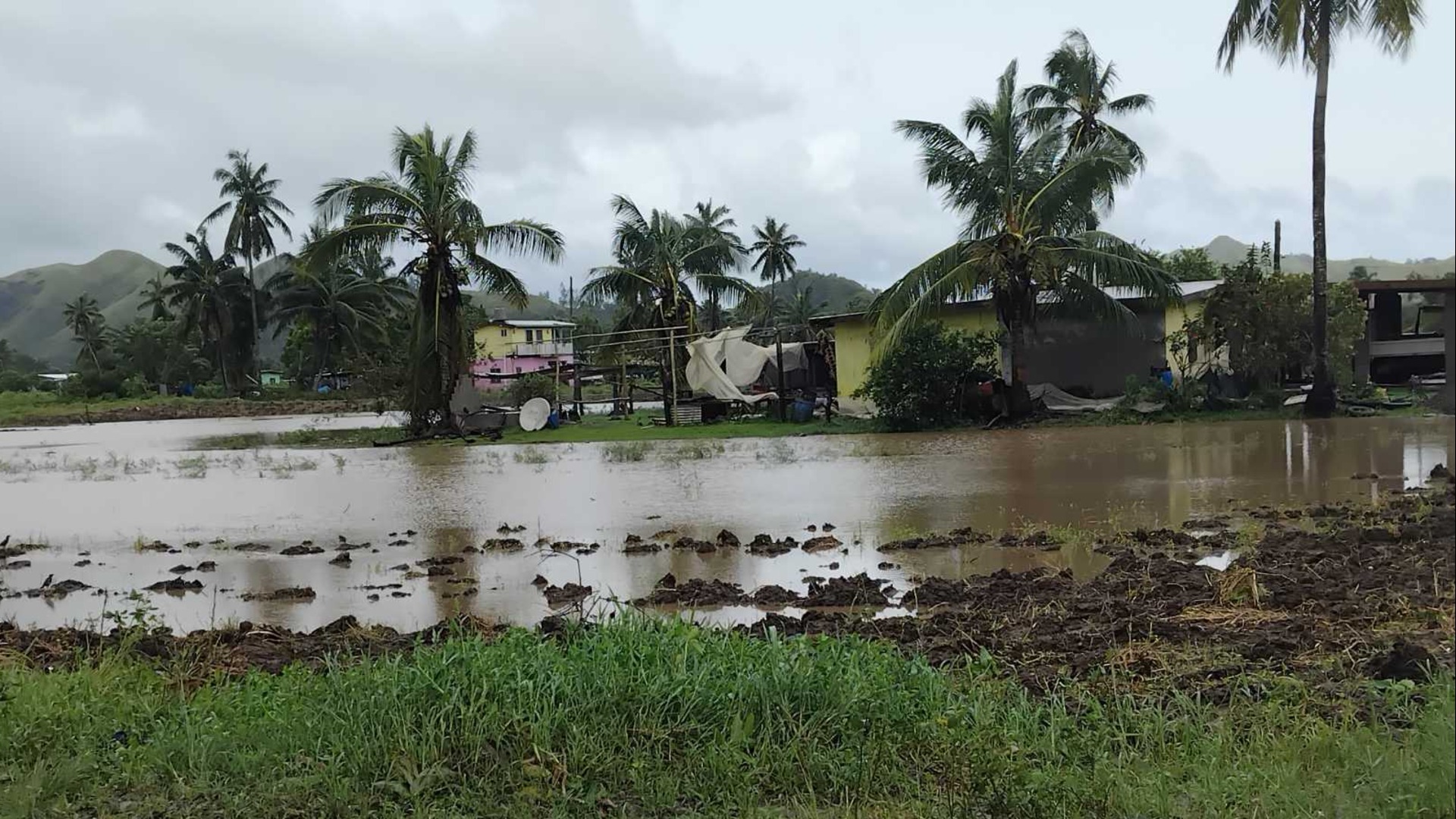
The government is now rolling out a targeted rehabilitation program in the most affected areas, including Kadavu, Ba, Ra, Nadroga/Navosa and Naitasiri.
Affected farmers have been given one week to submit an expression of interest for support.
Locality officers will then spend a further week verifying applications before assistance is distributed.
The support package will include seedlings, planting materials, agro-inputs and technical advice.
The Ministry of Agriculture, Waterways and Sugar Industry has indicated the full rollout of assistance will be completed within three weeks.
Mr Tunabuna said support needed to reach affected families quickly.
"These figures represent real families whose livelihoods depend on agriculture," he said.
"[The] Government recognises the urgency of providing timely support."
The recovery package is being delivered alongside a broader food security response.
The Ministry of Agriculture, Waterways and Sugar Industry has launched phase one of the Scaling-Up Home Gardening Initiative under the theme, "From Our Backyards to Our Plates: Grow What You Eat, Beat Rising Prices."
The initiative is aimed at helping households produce more of their own food as costs continue to rise.
It is being delivered in partnership with the Ministry of Health and the Ministry of Women, Children, and Social Protection.
The program is intended to promote household-level food production and improve access to nutritious food.
Low-income families, single mothers and elderly people have been identified as priority groups.
Applications for the home gardening initiative will remain open for two weeks.
The government has linked the initiative not only to cyclone recovery, but also to the wider impact of rising fuel costs.
Officials said the ongoing global fuel crisis, driven by geopolitical instability affecting the Strait of Hormuz, had increased the cost of agricultural inputs, land preparation and transportation.
That has placed further pressure on farmers and food systems already dealing with cyclone damage.
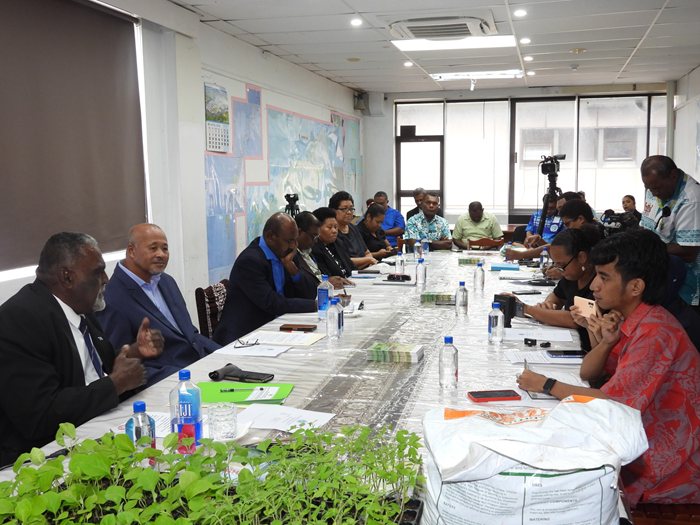
Mr Tunabuna said the response had to address both the immediate losses and wider economic pressures.
"While global factors are beyond our control, our response must be decisive and forward-looking," he said.
The government has framed its broader crisis-responsive package around four pillars.
Those pillars are food security and nutrition, fuel and energy security, fertiliser supply and price stabilisation, and agriculture logistics and freight cost stabilisation.
The package also prioritises climate-smart approaches and import-substitution strategies.
In practical terms, the recovery work on farms is expected to focus on restoring production in the worst-hit areas as quickly as possible.
Priority crops for support include vegetables, fruit trees such as papaya and banana, and yaqona.
The home gardening initiative is also being positioned as a longer-term response to food insecurity and cost-of-living pressure.
It is designed to reduce reliance on market supplies while helping households access fresh produce closer to home.
That approach expands the response beyond direct support for cyclone-affected farmers.
It also places household food production alongside broader recovery efforts in the agriculture sector.
Mr Tunabuna said the response also needed to build resilience at household level.
"Every backyard garden contributes to national resilience," he said.
"Growing what we eat is one of the most powerful steps we can take to ease the cost of living and secure our future."
Separate relief work has also continued in Yasawa communities affected by Tropical Cyclone Vaianu.
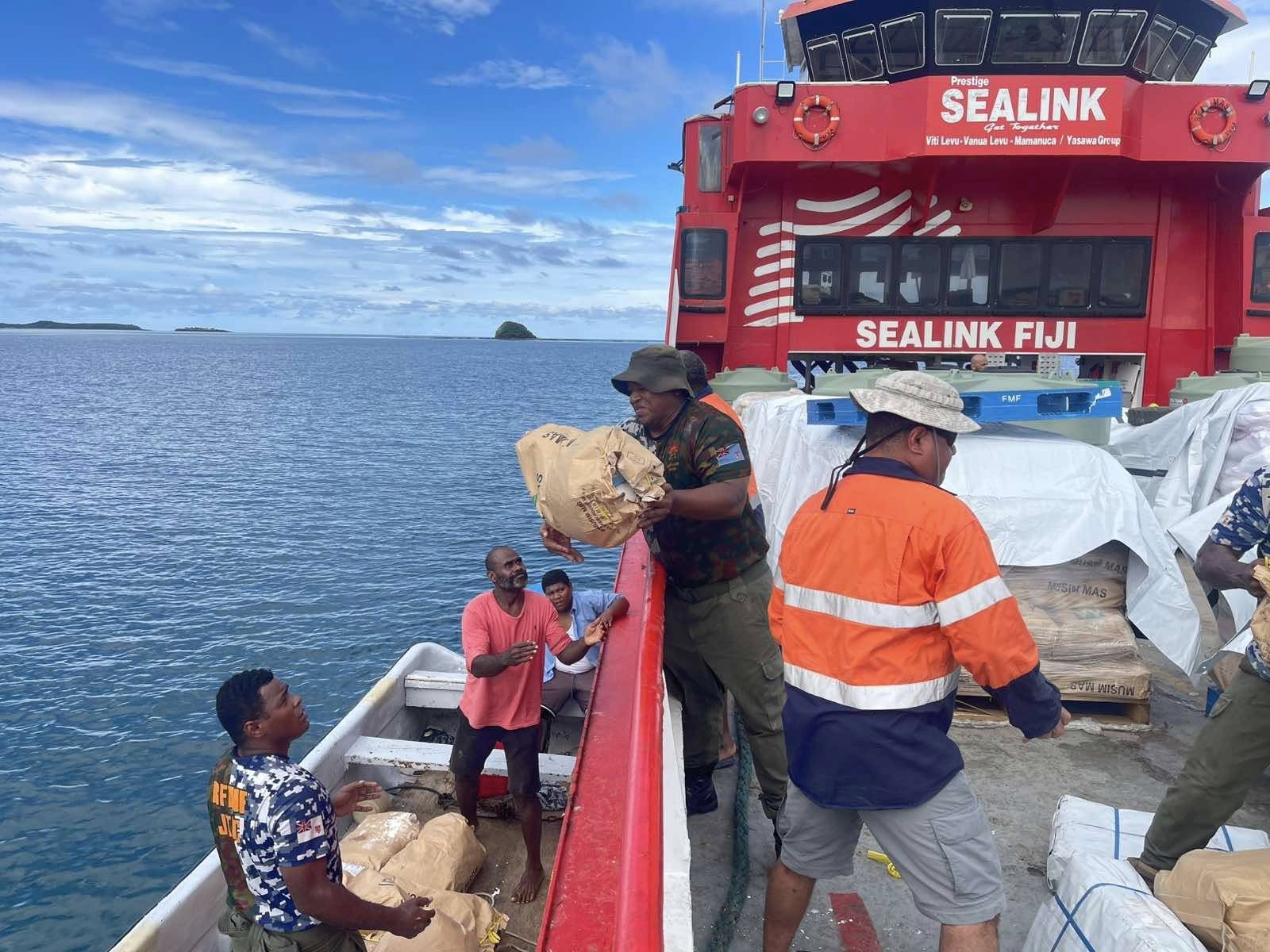
A government-led interagency team completed initial damage assessments in Viwa, Naibalebale, Najia and Yakani.
More than 60 families received food rations and non-food items to support immediate recovery efforts.
New water tanks were also handed over to the village of Viwa under the Village Improvement Scheme to support access to clean water.
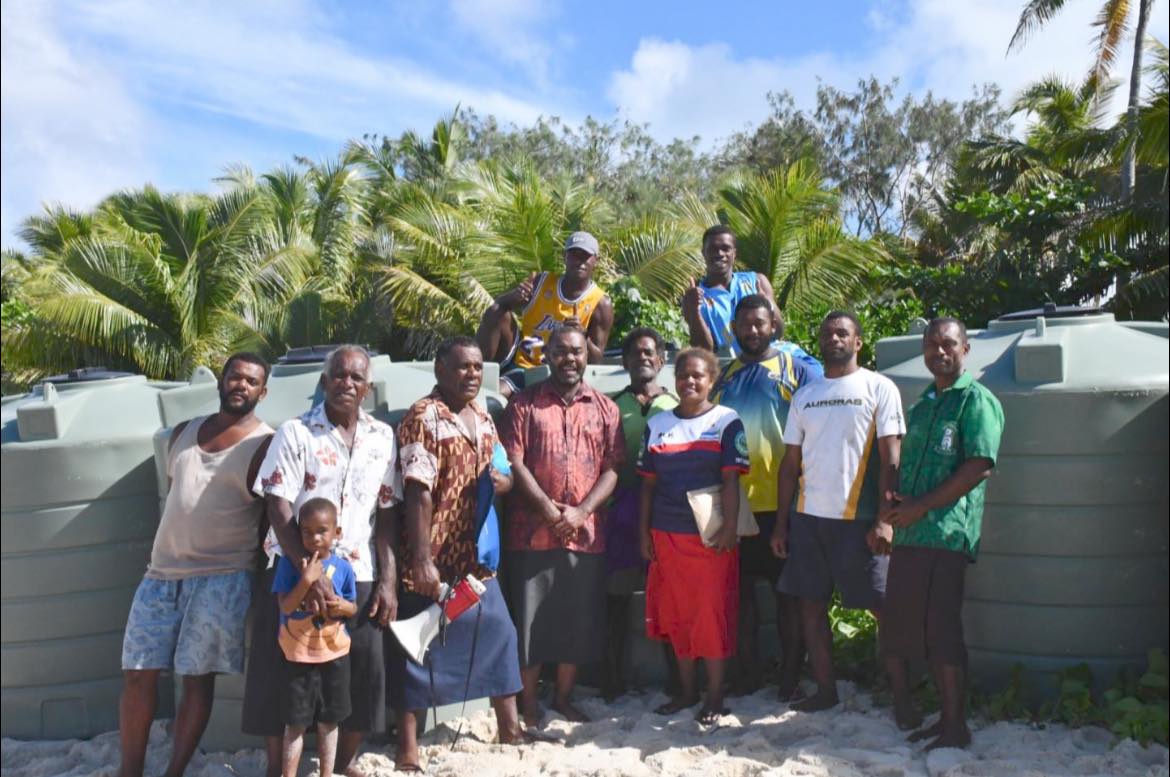
The assistance formed part of the government's wider effort to support affected communities as recovery continues.
Taken together, the measures show Fiji is pairing direct cyclone rehabilitation with a broader push to strengthen food security.
The Ministry of Agriculture, Waterways and Sugar Industry says further updates will be provided as additional interventions are rolled out.