



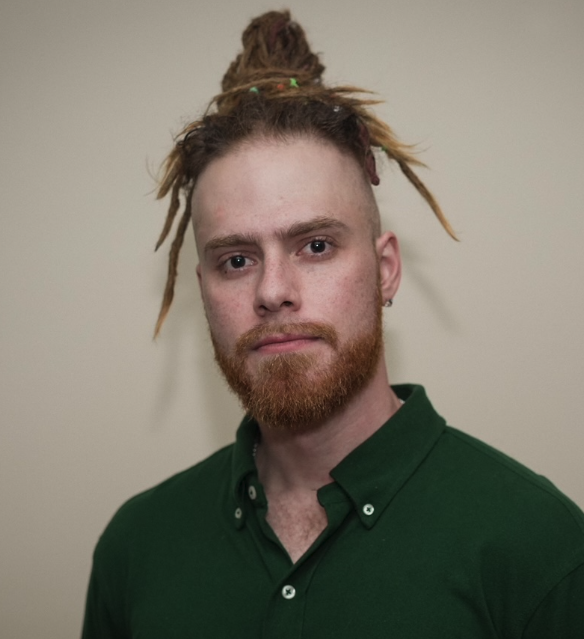

Native American patrols are continuing across south Minneapolis as community members track ICE activity and share sightings in encrypted chats.
Patrols have grown in the wake of January reports that Oglala Sioux Tribe citizens experiencing homelessness were detained near Little Earth, with the tribe still seeking answers about three men not accounted for in earlier coverage.
Dakota-Boricua musician, Tufawon, shifted from performing to patrolling when federal agents moved into the city.
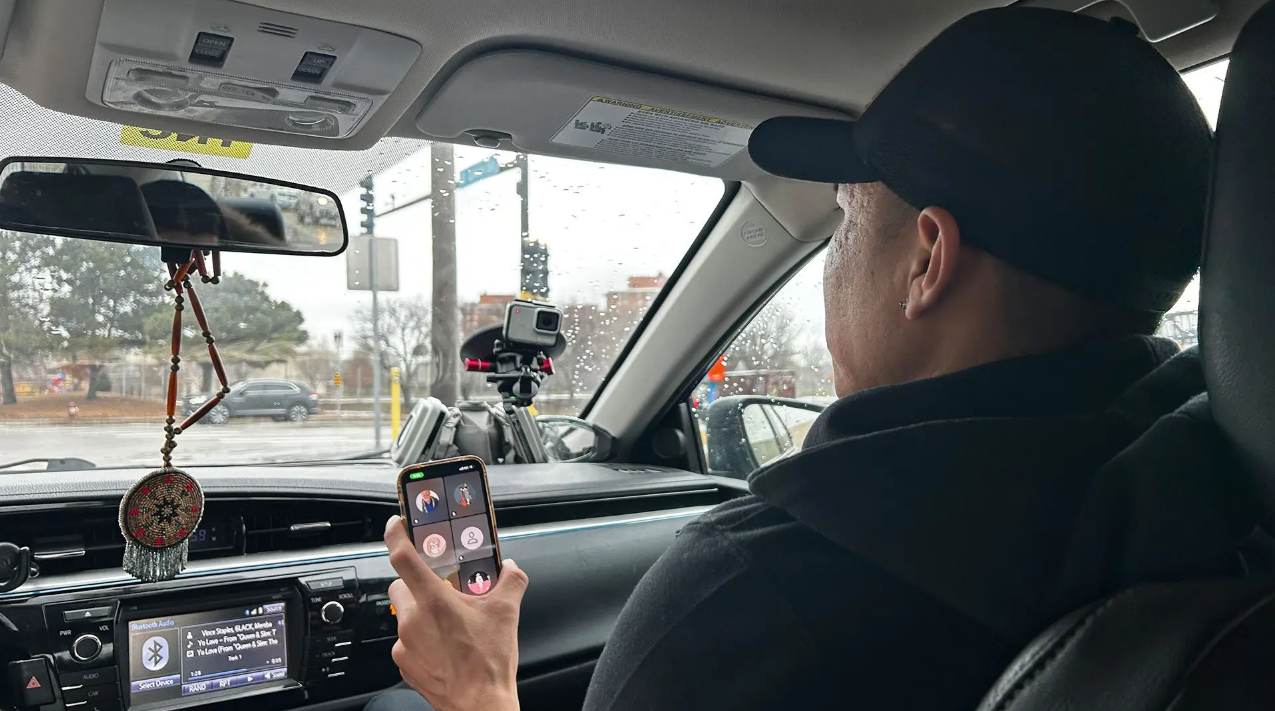
"A lot of natives, we just keep [sage] on our dash, it kinda gives us an extra layer of protection," Tufawon said.
He patrols with Oglala Lakota community member Ozuya Cikala, whose name means "little warrior" in English.
The patrol groups described in recent reporting rarely travel alone and position themselves to watch for suspicious cars and licence plates.
"There is a little fear or anxiety that comes with pursuing ICE and just highlighting and following them, because they can hurt you physically, murder you in broad daylight, or arrest you-do whatever they want with no repercussions, no accountability," Mr Cikala said.
He described patrol hours as stretching from early morning into the evening, calling those the main windows when agents are active.
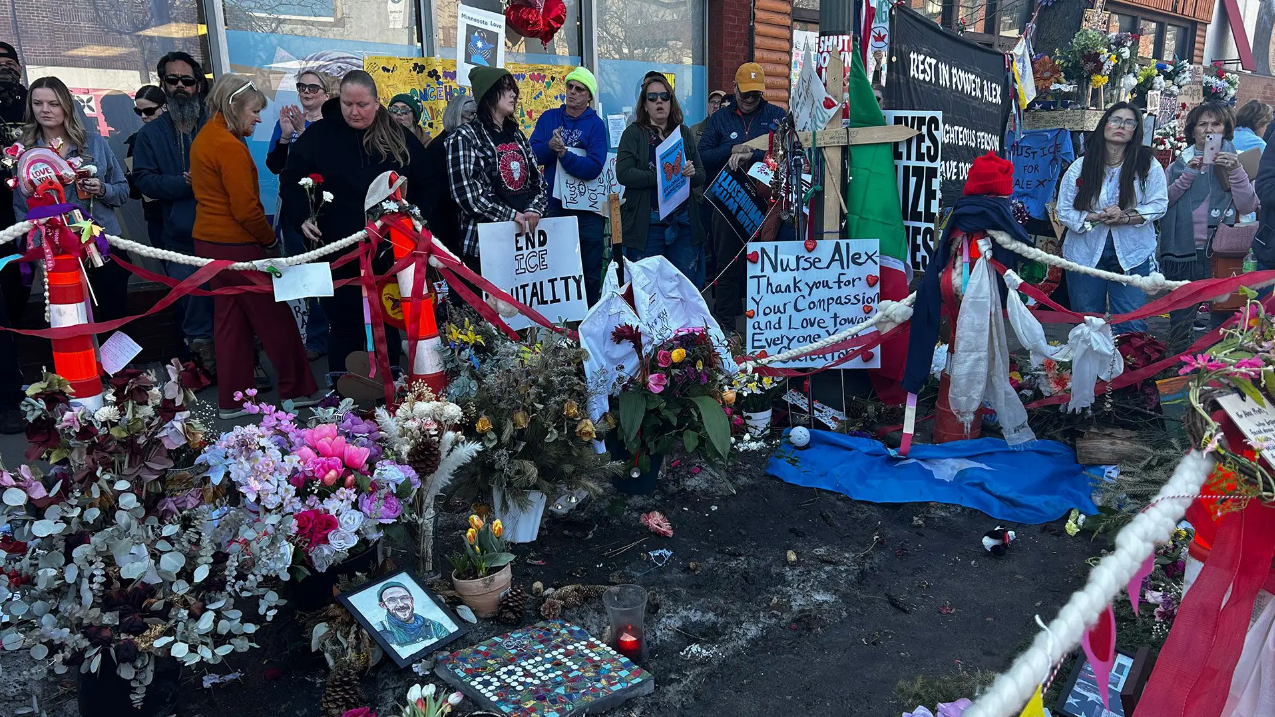
Patrollers upload vehicle details into encrypted chats used to coordinate neighbourhood alerts and track patterns.
"Sometimes they do get hacked," Mr Chikala said.
"So they remake a chat and then some of them are verified... meaning, the organisers verify each member personally.
"They know them so that they know they're a real person that's helping."
People in the area say the fear has lingered even as agents have reduced their presence, with community trust shaken by arrests and reports of violence.
In January, ICE moved into Minneapolis and arrested hundreds of people suspected of being "illegal aliens" in the US, with Renee Good and Alex Pretti shot and killed by agents during that period.
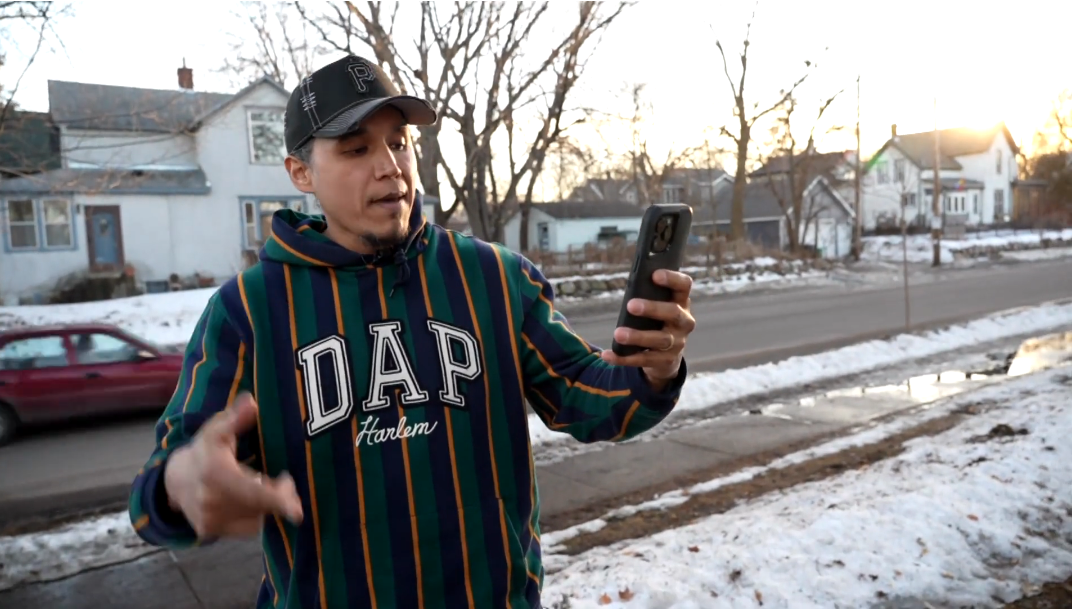
Anishinaabe-Oneida hiphop artist Tall Paul has also been patrolling, including around school zones, as he watches for ICE vehicles.
"We're policing federal agents and that shouldn't be necessary," Mr Paul said.
He has turned the experience into new lyrics performed roadside, linking the patrols to earlier reports about Native people being stopped, challenged over identification, and taken into custody.
"His brown skins a catalyst, the glass they smashed it in, slapped his tribal ID out his hand and tackled him, said it was a fake this doesn't look like you," Mr Paul rapped.
"They took this native brother to the Whipple building, likely wish they could kill him.
"Disappeared civilian. Knew his rights, Indigenous, but still did him vicious."
The patrols have also attracted activists from outside Minnesota, including Arizona-based Diné-Navajo actor and activist Che Jim.
"I've been a part of Standing Rock, I've been to Oak Flats, I've been to some of these other frontline camps, and one of the things that makes this one particularly interesting is the fact that it is being done in an urban environment," Mr Jim said.
"It's really the true mobilisation of an entire city."
An influx of ICE agents arrived under a federal directive called Operation Metro Surge and White House border czar Tom Homan said the operation was ending while warning ICE would remain present.
"I don't want anybody, anybody under the impression that the end of this operation means ICE is leaving because they're not-they've always been here," Mr Homan said.
Mr Chikala added patrols would continue until community members feel safe, pointing to recent days where he believed large numbers of ICE vehicles were still circulating.
Original reporting by APTN News, with background from AP News and MPR News.