




Communities across Fiji's Cakaudrove and Rewa provinces are seeing new investment in water, sanitation and hygiene infrastructure as the Ministry of Health and Medical Services expands its national WASH program.
In Waivevo on Taveuni, 80 residents of Loloi Settlement have begun works on a new water supply system after years of relying on an unsafe and unprotected source.
Despite being located near the Taveuni Subdivisional Hospital and key government offices, the settlement had been classified as high risk due to recurring cases of waterborne diseases linked to an open spring and ageing, leaking galvanised pipes.
The project was officially commissioned by Minister for Health and Medical Services, Dr Ratu Atonio Lalabalavu.
Dr Lalabalavu said access to clean water was central to public health.
"It is unacceptable that a community living in the shadow of our hospital should suffer from preventable diseases carried by unclean water," he said.
"This project is a direct investment in the health security of the Loloi people.
"By protecting the source and building a resilient system, we are not just laying pipes; we are building a foundation for a healthier, more prosperous community."
The new system includes construction of a protected spring box to prevent surface runoff and animal access, installation of a reservoir tank, and 720 metres of new two-inch PVC distribution lines to replace rusted pipes.
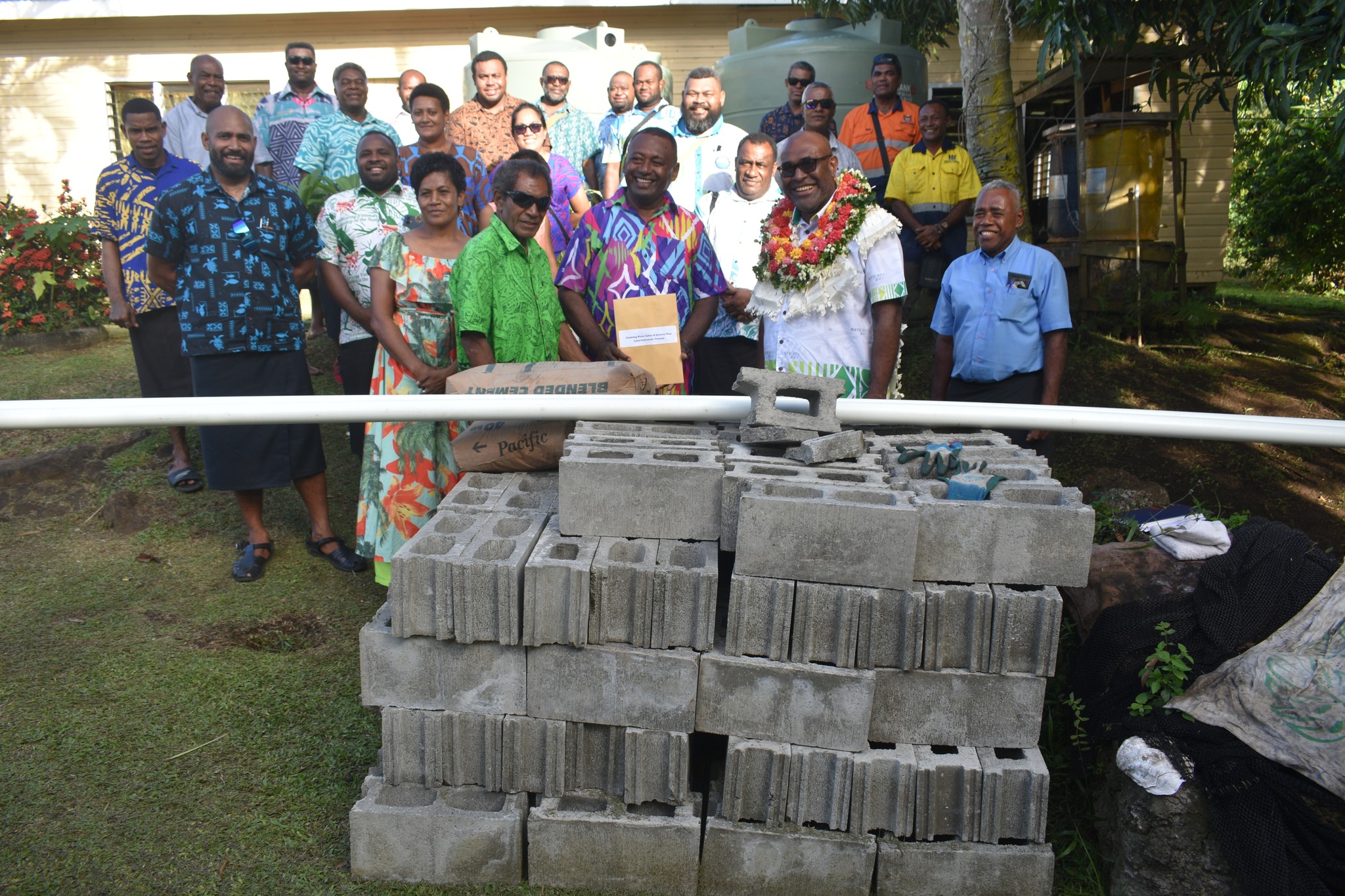
Once complete, it will supply consistent drinking water to all 14 households in the settlement.
The works are guided by the community's Drinking Water Safety and Security Plan, with residents contributing by fencing the catchment area and constructing a shelter for the reservoir tank.
Further north in Cakaudrove Province, villages and schools have also received WASH upgrades during the Minister's tour.
In Dreketi on Qamea Island, Laucala District School received two water tanks to strengthen resilience, particularly during emergencies.
The school was destroyed in a 2016 landslide that buried half the village, including the health centre.
While rebuilding continues, the new tanks will provide reliable water access for teachers and students.
The WASH supplies were donated to the Ministry by the World Health Organisation Western Pacific Region.
At Niusawa Primary School on Taveuni, construction materials were handed over to upgrade the school's WASH facility.
The improvements will provide easier access to taps and support regular handwashing among students.
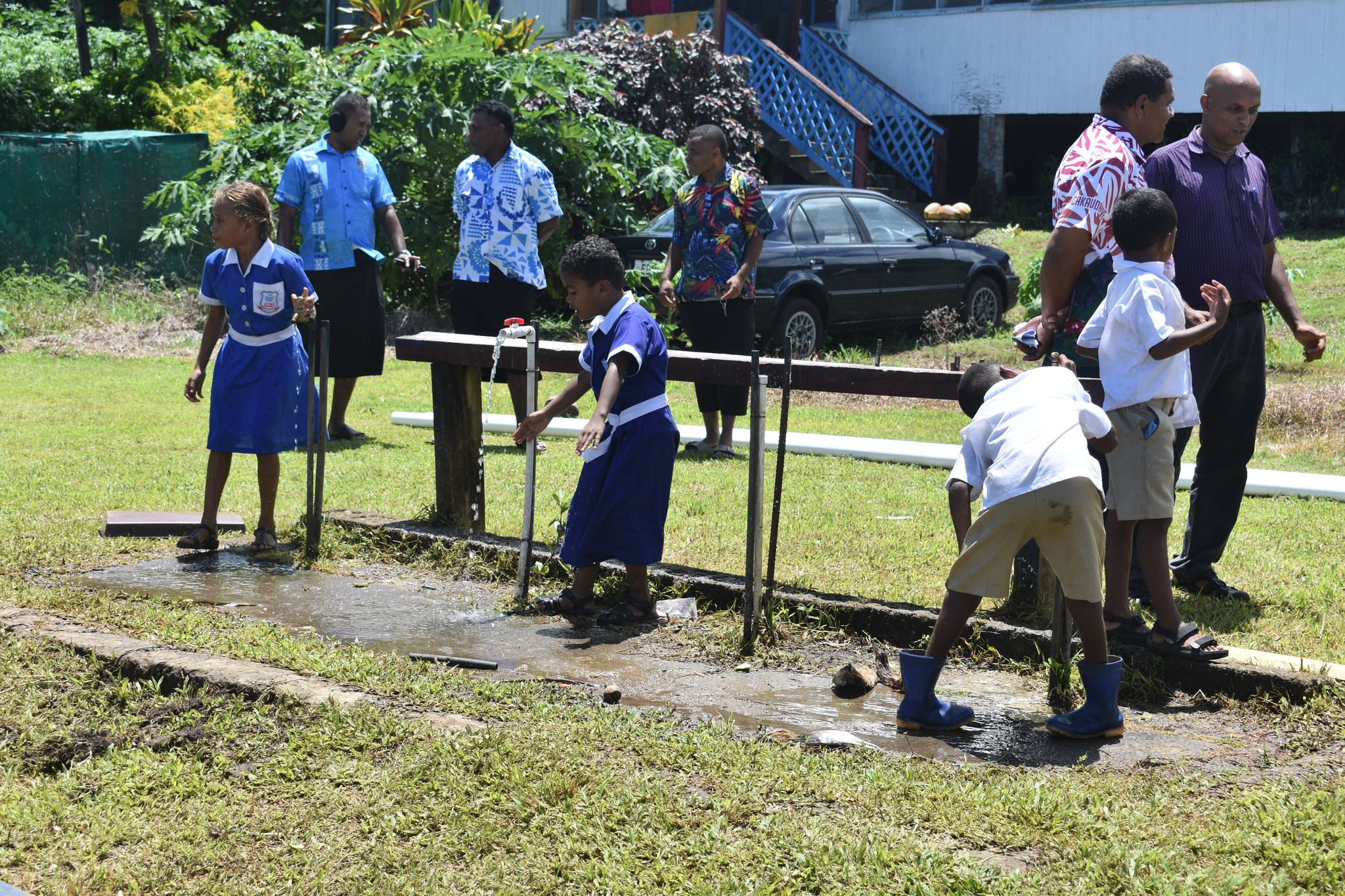
School Manager, Akuila Tovilo, outlined previous concerns about hygiene facilities.
"Our main concern was the lack of hygienic practices among children due to a lack of facilities," he said.
Mr Tovilo said the upgrade would help address those gaps.
Dr Lalabalavu used the visit to reinforce hygiene messaging for students and families.
"Good hygiene must start at home and be reinforced in schools, churches, and communities, so that children grow up understanding the importance of cleanliness and health," he said.
Water security has also been strengthened in the settlements of Waica, Waitete and Naniu on Taveuni through the donation of three water tanks under the Ministry's WASH program.
Seventy-six-year-old resident of Waica Settlement, Polonia Raiova, described previous disruptions caused by unreliable pipes and limited supply.
"At times our pipes would be broken, and we would go for weeks without water," Ms Raiova said.
"This was often a very hard time for us.
"I speak for the community and the women here when I thank the Ministry for thinking of us by bringing the water tanks, which can store water for us during these mishaps or long droughts."
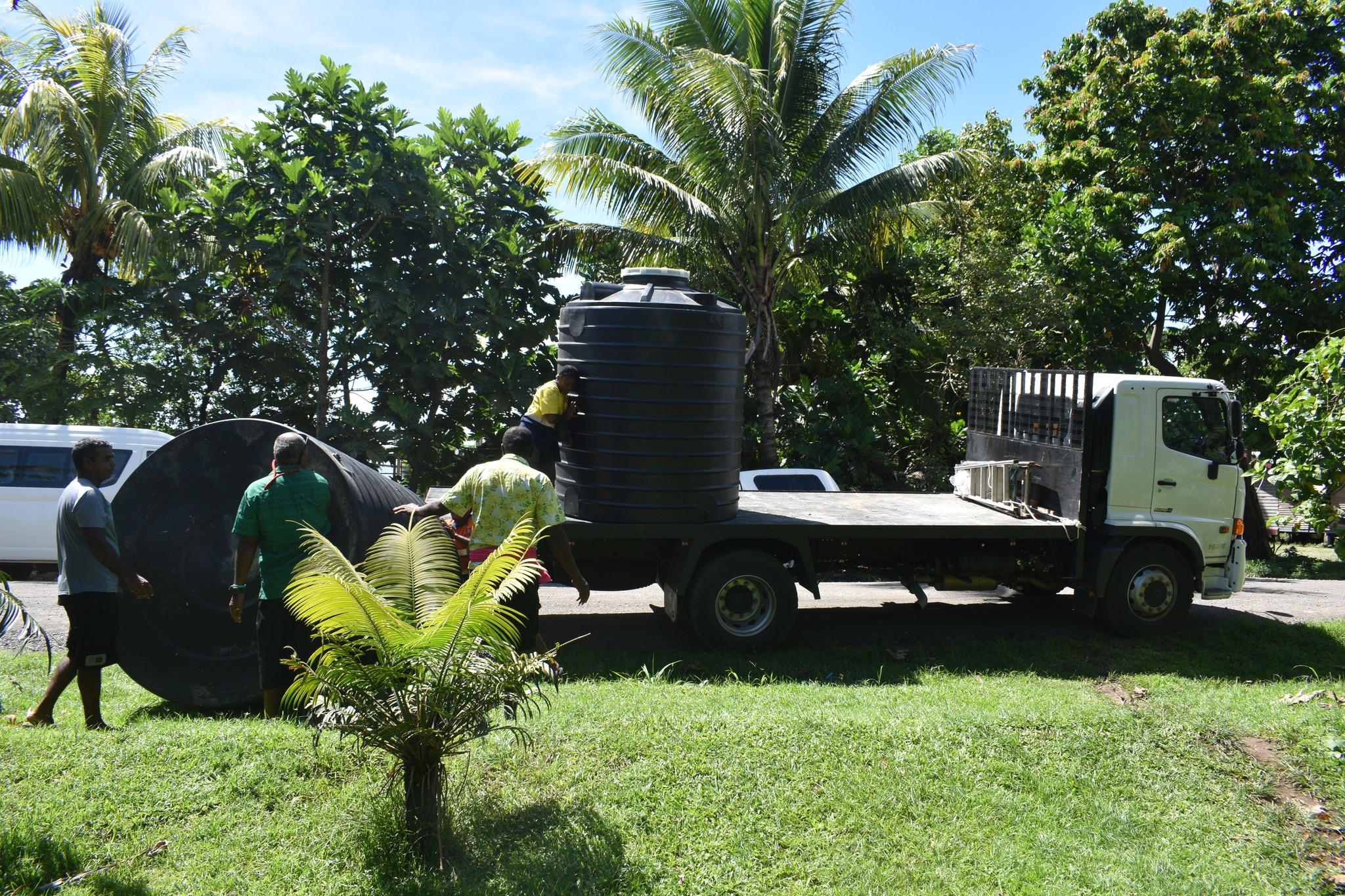
Community Elder, Atonio Radrodro, said earlier generations relied on freshwater springs near the seashore.
"We had asked for assistance from the Ministry, and we are happy to have these tanks, which can cater for the families in our communities," Mr Radrodro said.
In Dromuninuku village in Naweni, Cakaudrove, residents marked the refurbishment of two water sources valued at $22,000.
Village Elder, Jope Dame, said the improvements would reduce reliance on rainwater.
"Since water is a major part of daily living the project will have a big impact on the village," Mr Dame said.
Dr Lalabalavu said the projects formed part of scheduled WASH initiatives planned for rollout this year, aimed at improving water access, sanitation facilities and environmental waste management.
Beyond Cakaudrove, upgrades have also reached Rewa Province.
At Tavuya Village Kindergarten near Nausori, two new flush toilets, a refurbished handwashing area, and a water tank with pump were officially handed over.
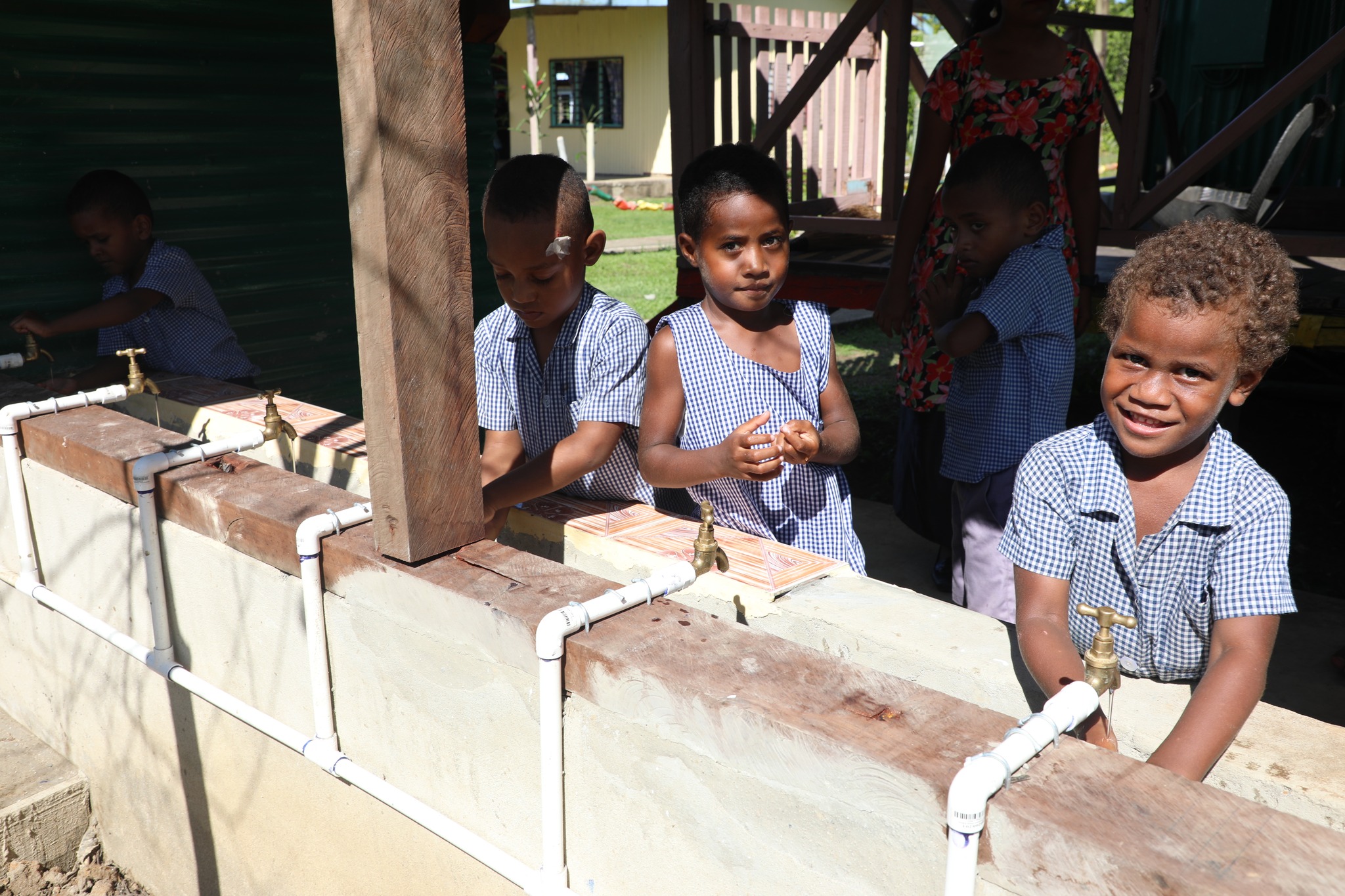
The kindergarten is one of nearly 15 in the Rewa area supported under the Ministry's WASH Improvement Project.
Teacher Mrs Kumar said the facilities would reduce class disruptions.
"I am so happy about the new facilities. We don't have a reliable water supply here, so we are grateful for the provision of a water tank to supply water for the wash facility and the new toilets," she said.
"With six additional wash taps, children can now easily practice proper handwashing."
Nausori Health Office Subdivisional Health Inspector, Joneti Nadegi, said the initiative was part of broader efforts to lift WASH standards in schools across the subdivision.
"This project includes the construction of two toilets, a new handwashing area, and the installation of a new water tank and pump," he said.
Across the northern and central divisions, the Ministry said the focus remains on preventing disease through reliable infrastructure and improved hygiene behaviour.