





Indigenous leaders have urged the Canadian government to take a much stronger stand to protect First Nations' access to clean and safe drinking water.
In an open letter to Canada's Minister of Indigenous Services, Mandy Gull-Masty, the Union of British Columbia Indian Chiefs warned that the federal government's Bill C-37, An Act respecting water, source water, drinking water, wastewater and related infrastructure on First Nation lands, "fails to adequately recognise and uphold First Nations' inherent and constitutionally protected title and rights, and jurisdiction over their lands, waters, and resources".
UBCIC President Grand Chief Stewart Phillip, Vice-President Chief Councillor Linda Innes, and Secretary-Treasurer Chief Marilyn Slett said that while the Union recognises the urgent need for legislation that guarantees First Nations' access to clean and safe drinking water, it expresses "its strong opposition" to the proposed legislation in its current form.
"UBCIC cannot support the legislation as currently drafted and calls on Canada to undertake substantial amendments before advancing the Bill," they said.
Through Resolutions 2022-41 and 2023-43, the UBCIC Chiefs-in-Assembly have consistently called for new drinking water legislation fully aligned with the United Nations Declaration on the Rights of Indigenous Peoples (UDRIP), developed in full partnership with First Nations title and rights holders, and supported by long-term, sustainable funding.
UBCIC previously raised significant concerns regarding Bill C-61 - an earlier federal attempt at reform - including its failure to adequately recognise First Nations' jurisdiction over source waters beyond reserve boundaries, establish enforceable federal funding commitments, and meaningfully implement free, prior, and informed consent, and noted that these "fundamental concerns" remain unresolved in Bill C-37.
"Water systems, watersheds, and source waters extend beyond colonial boundaries and are inseparable from First Nations' territories and the exercise of their title and rights," the chiefs said.
"Limiting the recognition of First Nations' jurisdiction to water on reserve lands, or making jurisdiction over surrounding source waters contingent upon agreements with other governments, fails to respect the full scope of First Nations' inherent jurisdiction."
The Union also expressed deep concern that Bill C-37 "does not adequately recognise" access to safe and clean drinking water as an enforceable human right or establish sufficiently binding obligations on Canada to ensure its realisation.
"First Nations have endured generations of inadequate drinking water infrastructure and chronic federal underfunding. While Canada's recent funding commitments are acknowledged, financial announcements cannot substitute for clear legislative obligations to provide adequate, predictable, and long-term funding for water infrastructure, operations, maintenance, and the exercise of First Nations' jurisdiction," the chiefs noted.
"The legislation must establish enforceable standards and meaningful federal accountability rather than relying on discretionary commitments or qualified obligations."
The UBCIC stressed that the development and implementation of Bill C-37 must be consistent with Canada's obligations under the United Nations Declaration on the Rights of Indigenous Peoples Act - Canada's domestic law ratifying the UNDRIP.
Articles 19 and 32(2) of the UN Declaration require States to consult and cooperate in good faith with Indigenous Peoples through their own representative institutions to obtain their free, prior and informed consent in the relevant circumstances.
Grand Chief Phillip, Chief Councillor Innes and Chief Slett told Minister Gull-Masty: "Meaningful co-development cannot be replaced by limited engagement opportunities or consultation after fundamental legislative decisions have already been made."
"First Nations must be able to meaningfully shape the legislation, its regulations, funding framework, and implementation mechanisms through their own chosen representatives and governance processes," they said.
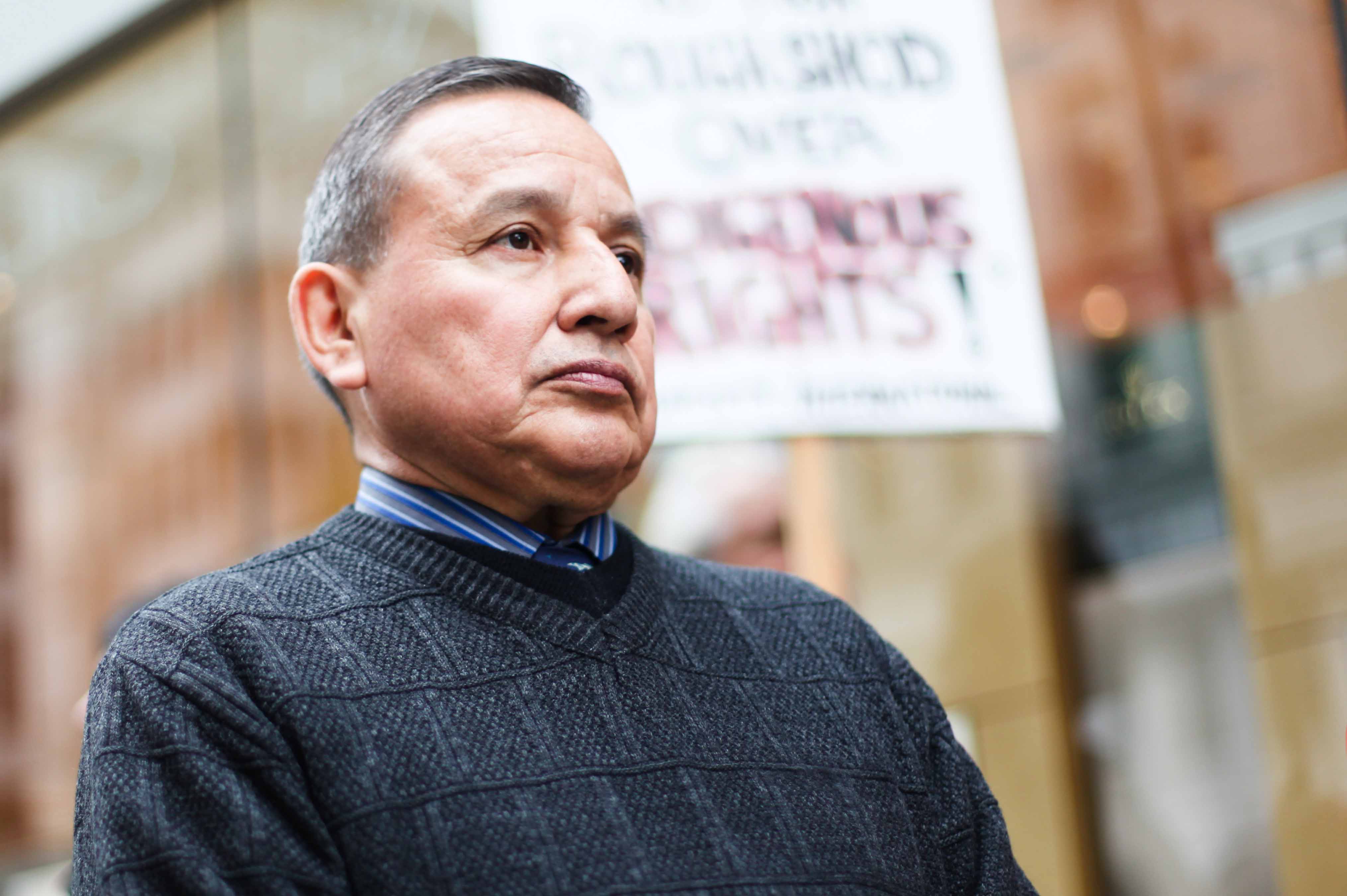
UBCIC urged the Canadian government to "work directly" with First Nations title and rights holders to "substantially" amend Bill C-37 to fully recognise and uphold First Nations' inherent and constitutionally protected title and rights, and jurisdiction over water and source waters throughout their territories, including beyond reserve boundaries.
"The legislation must expressly recognise the human right to safe and clean drinking water and establish enforceable federal obligations to ensure adequate standards for drinking water quality, quantity, and wastewater services," they said.
"These obligations must be supported by adequate, predictable, and long-term funding for water infrastructure, operations, maintenance, and First Nations' exercise of jurisdiction."
The chiefs noted that any amendments to Bill C-37 must ensure the full and effective implementation of the UN Declaration on the Rights of Indigenous Peoples, including meaningful consultation and cooperation with First Nations through their own chosen representatives and governance processes, directed toward obtaining their free, prior and informed consent.
"The legislation must also establish meaningful mechanisms for First Nations-led governance, source water protection, and federal accountability, with First Nations directly involved in the development of regulations, funding frameworks, and implementation mechanisms," they said.
"First Nations have waited far too long for legislation that meaningfully guarantees access to clean and safe drinking water while respecting their inherent jurisdiction over their lands and waters.
"Canada must not repeat the failures of previous legislative approaches that have failed to uphold First Nations' title and rights, and jurisdiction, or provide the resources necessary to ensure lasting solutions."
The Union of British Columbia Indian Chiefs also warned the minister that the continued failure of Canada to meaningfully uphold First Nations' title and rights, and jurisdiction, "raises serious concerns about its commitment to reconciliation and the implementation of the UN Declaration".
"In the face of ongoing legislative approaches that fail to respect First Nations' rights and authority, UBCIC believes it may be time to renew the spirit of Idle No More and the collective mobilisation that challenged Canada's disregard for Indigenous rights, lands, and waters," they said.
"We urge Canada to address these fundamental deficiencies and look forward to your response outlining the steps your government will take to amend Bill C-37."