



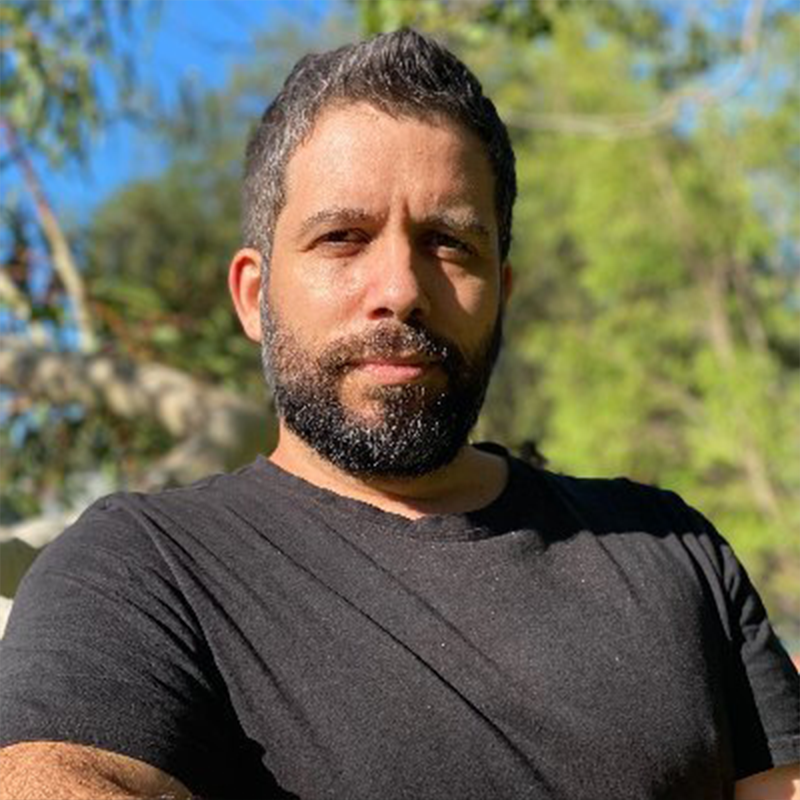

The Executive Vice President at Red Cloud Indian School on sovereign Oglala Lakota land, Tashina Banks Rama, advocates and promotes Lakota leadership, holds up Lakota values, and actively engages the community in ways that continue to transform the unique multi-faith organisation.
The daughter of American Indian Movement co-founder Dennis Banks, Ms Rama, who is Oglala Lakota and Ojibwe of the Leech Lake Band, has served the important community school for 14 years and as Executive VP for three years.
She is also current board member of Friends of South Dakota Public Broadcasting and the Catholic Climate Covenant.
The school, Maȟpíya Lúta Owáyawa in the Lakota language, was once a church-run residential school, but is now managed by the Oglala Lakota community and is no longer a residential school.
Ms Rama told National Indigenous Times that language revitalisation is "critically important" to the community's cultural and social wellbeing.
"It's the core of who we are, right? Our language is the lens in which we are able to view the world. In our belief, we believe that we're all related. And that, you know, in order to have harmony and balance in our lives, that it's important that we respect all living things," she said.
"So our language communicates that in ways that English cannot. So to speak the language really is to be able to identify as a Lakota and as a being that is part of this circle of the sacred group that we live in."
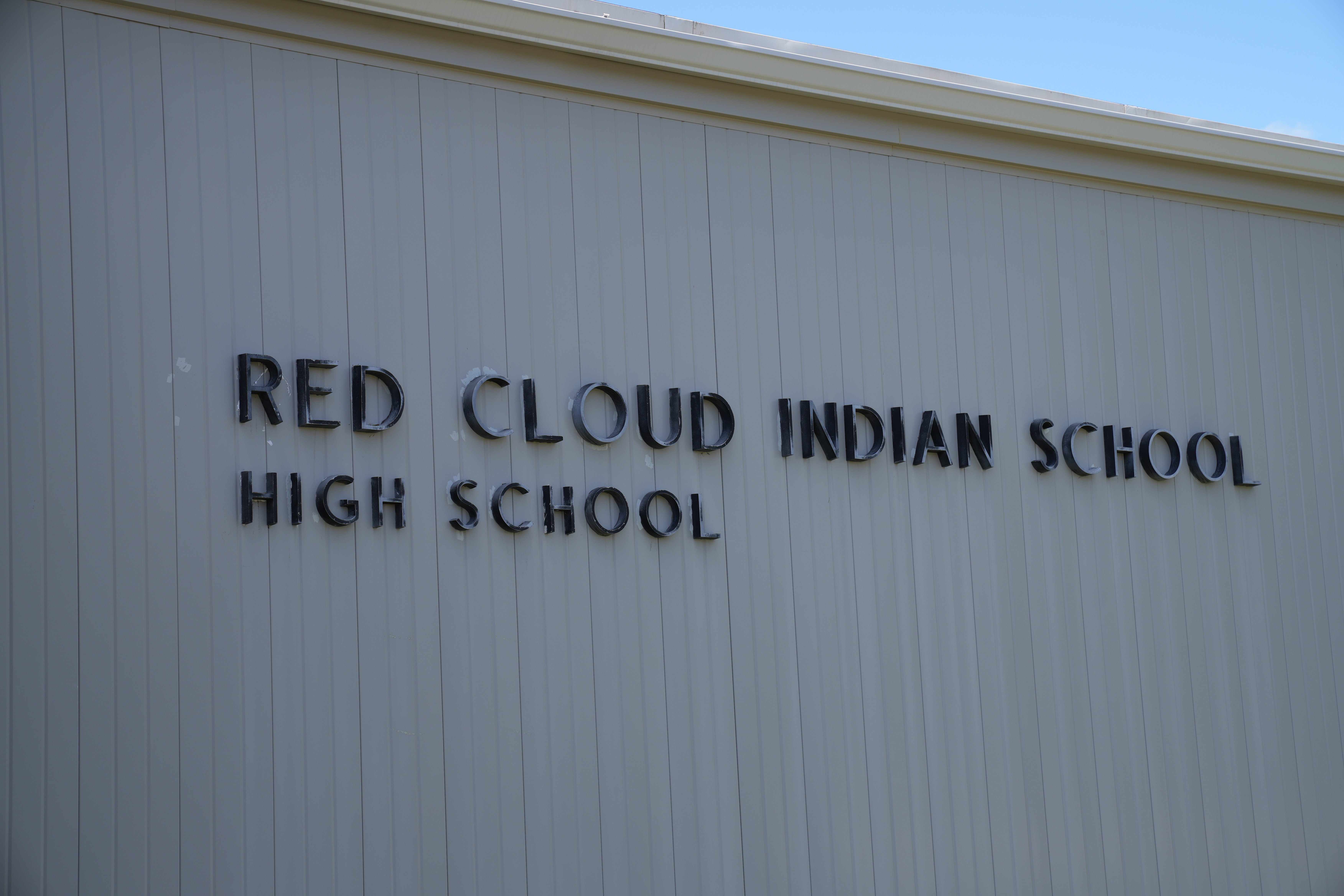
Ms Rama oversees all of the administrative functions of Red Cloud school, which is named for the venerated Oglala Lakota Chief who led his people from 1865 to 1909.
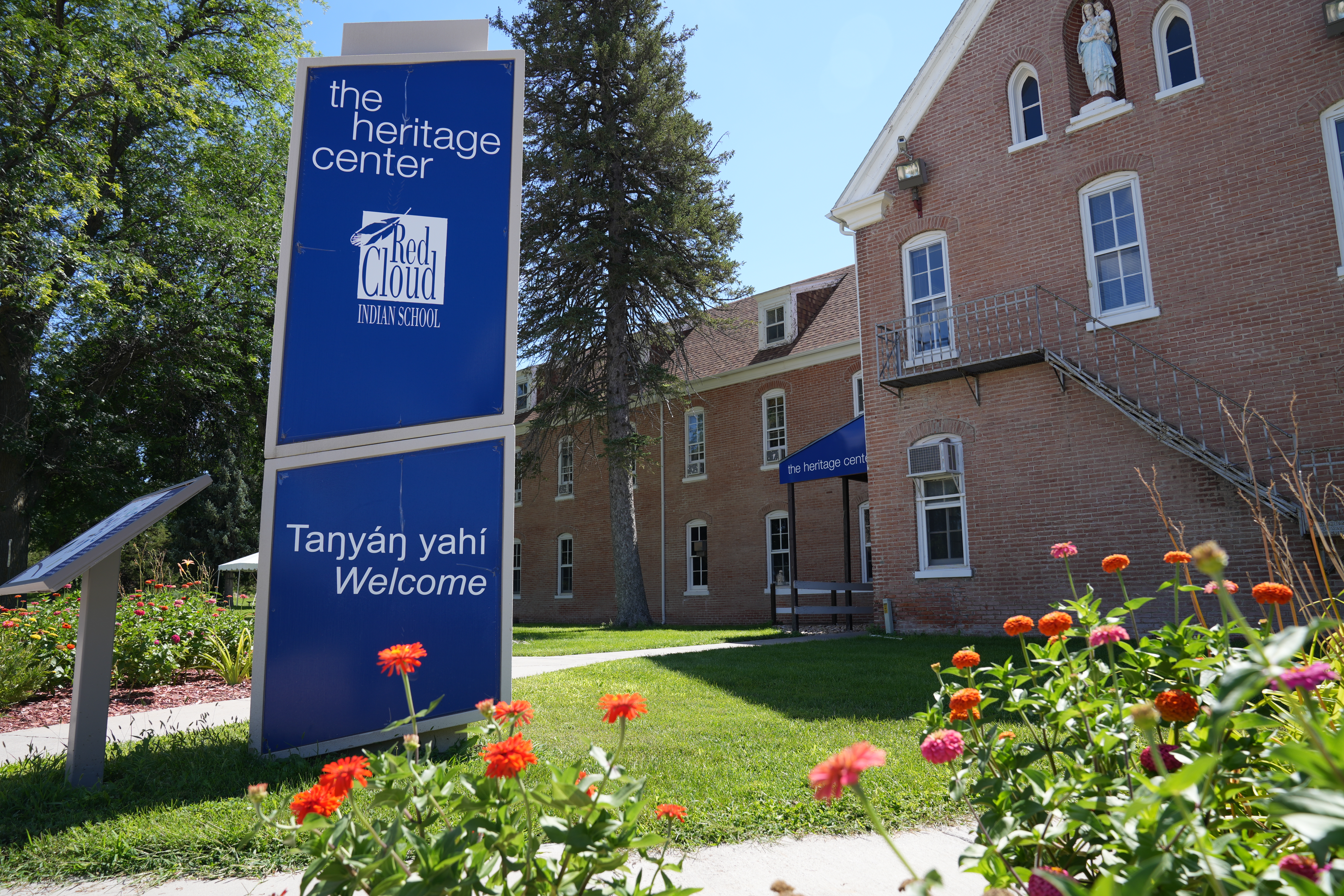
"We are a nonprofit organisation. We have three ministries; is how we think of them. The school is one ministry, the Heritage Centre, and then we have the churches. (They) all have operations, and the day to day functions. My team is really the operations in the administration of all of that. I oversee finance facilities, human resources, communications, advancements. I also oversee technology, truth in healing, food sovereignty, and soon to be Lakota language."
Ms Rama noted the importance of teaching the history of her people after many decades of misrepresentation and marginalisation.
"I can tell you this as a person who grew up in the American school system, I never learned about Native people (in school) in the way that I learned about them at home. (In) history books of the United States, we're invisible, or if we are in the history books, we are in past tense, right, there are the Indian Wars or you know, Indians were conquered… The 'people who used to be here', right?" she said.
"So who we are today is nothing like what is written in the history books. In fact, today we're a vibrant, thriving community… (and) leading the way, in our language revitalisation programmes. And we have professors, we have faculty, you know, from K through 12.
"More importantly, we have the most PhDs we've ever had teaching in universities across the United States. And so, as time goes on, native people continue to reclaim and own the spaces."
Ms Rama reinforced the significance of history to the ongoing resilience and identity of her people.
"It's very important because we're here, right? And it's important that my children feel proud in who they are, and that we are continuing to instill that pride in the next generation," she said.
"So seven generations from now, our children are speaking the language, they know where they come from, they know the history of our people and our creation stories, and why it's important to live the way we do with our traditions. It's critically important."
Ms Rama's father, Dennis Banks, was one of the founders of the American Indian Movement, which embraced a strategy of direct action in response to many decades of human rights abuses by police and Treaty-breaking by the United States government, and because of the dire conditions on reservations.
"The American Indian Movement was a movement of men and women who were fighting to be recognised. They were fighting against police brutality that was taking place in at the time Minneapolis. The beginning of AIM was 1968… the environment of Minneapolis was really harsh for Native people," she said.
"The Native people in Minneapolis were being arrested by the busloads, you know, a police paddy wagon would pull up to the back of back of a bar, and at the front of the bar the police would come in… and so people would start leaving out the back and the paddy wagon would be right there, and they would just load people up. Police brutality was at its worst in the late '60s against Native people. And that was when people like my father, Dennis Banks, Clyde Bellecourt, Vernon Bellecourt, and other leaders came together and formed the American Indian Movement.
"It started out as a community-organised group that were trying to protect each other, and look out for one another. And then it just grew very quickly from there."
Ms Rama said the legacy of AIM and the stand it took for justice can be seen in the Native people empowering themselves through education.
"From where I sit, you know, having been through our educational system, K through 12, I have a college degree, a bachelor's degree, I have an MBA from graduate school. And that is because of the American Indian Movement," she said.
"I was able to benefit from those experiences, and in ways that I think generations before me didn't. Specifically, my bachelor's degree is a business degree, but my minor is Native American studies. And the fact that there was a Native American Studies Department at a public university has a lot to do with the American Indian Movement. American Indian studies departments like popped up all over the United States and public universities because of the work of the American Indian Movement.
"The legacy (of AIM) gave agency to a lot of people who are working in those spaces, here comes this movement, right, this Red Power movement. And so, people were using their agency, and they're feeling empowered by this community group that was starting to rise in ranks and starting to be really viewed as a legitimate organisation that was making change."
Ms Rama said there is an ongoing struggle for recognition and to end racism.
"As Native people, right, there's a sense of we just are not here, that we just are invisible and we don't exist. Or if we exist, we are caricatures, and we're just not a real culture or we're not a real people that still live in lands and practice ceremonies and have a language and practice traditions that have been happening for thousands of years," she said.
"Right now, we're in this crazy political climate period where people of colour are just this monolith of like, brown people, you know, versus non-brown people, I don't know what it's like in other parts of the world, but I live in South Dakota, which is a very Republican state, and I live on a reservation that is very democratic County. So, we are like one of five blue dots in a sea of red on our, on our on a political map. In this state, particularly, you feel the racial tension is very strong, it's very alive.
"That's something we try to combat with our work and language and culture here so that our kids feel as confident as they can be when they walk into a gas station, or a grocery store that's off the reservation, where they're viewed, as you know, the 'other', when in reality, this is our homelands, you know, the Black Hills, we have been praying there for thousands of years. That's the home of our sacred sites, and our creation story."
Ms Rama said "Native people… have to do the best that we can to make sure that we're being recognised, we have to advocate for ourselves, because there's nobody else out there advocating on our behalf".
"(This) is why… the land back movement is a huge movement right now. And that's really caught on across Indian Country, up into Canada, and I'm sure in indigenous communities around the world… But the Red Power movement is really very much alive today and getting stronger, like the younger generations, younger than me; my children, and eventually their children, I think are going to continue to fight those battles that were started by my Dad."
Mr Rama said the Oglata Lakota people had been hamstrung in economic development by the mass dispossession forced on them by the United States.
"This (reservation) is not necessarily our homelands, right? The reservation boundaries placed us here. And we were placed in an area that where there's some land that's good for farming, but a large majority of it is not great for farming. If you drive around out here, you'll see there's a lot of ranches where cattle are grazing but not a lot of farming. The ground here is very arid, right, it's very dry. We were placed here for a reason; so that we wouldn't thrive, and that we would not be as resilient as we have been," she said.
"But, in terms of where the change is happening, it's happening in the schools and that's why I'm really proud to be a part of where I am today.
"This school today is staffed 70 per cent by Lakota people, right. It's 99 per cent Lakota students. There are some non-native students who go to school here, but the majority of our students are Lakota and I feel very proud about that."