




Aotearoa's first dedicated Māori resources on assisted dying have been launched, giving whānau (families) culturally grounded tools to better understand the End of Life Choice Act 2019 and how assisted dying works in New Zealand.
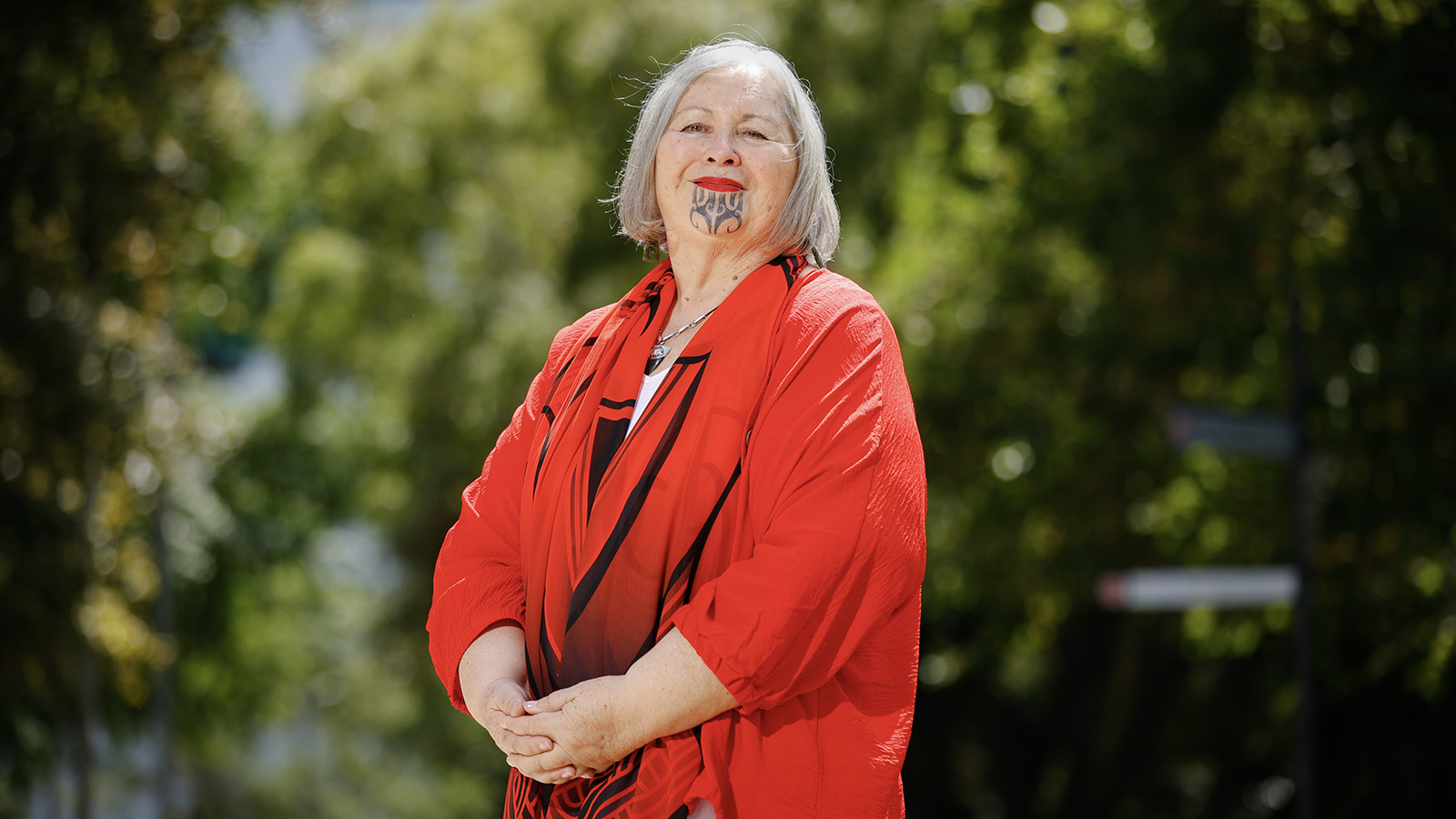
Developed by Waipapa Taumata Rau (University of Auckland), Senior Lecturer Dr Tess Moeke-Maxwell of Ngāi Tai and Ngāti Porou, alongside the Te Ārai Palliative Care and End of Life Research Group, the new suite includes two graphic novels, 18 short films, detailed information and a website called Pou Kāpura.
Pou Kāpura refers to the flame held by whānau as they move through a darkened pathway.
A blessing and launch for the resources was held on 2 March at Waipapa marae at the University of Auckland, led by Dr Moeke-Maxwell and Professor Linda Nikora of Tūhoe and Te Aitanga-a-Hauiti.
For many who attended, it was the first time they had encountered detailed information about assisted dying.
Dr Moeke-Maxwell said the project came from a place of personal and cultural responsibility, after recognising some whānau would want to consider assisted dying once the law came into force.
"Our whānau have always assisted each other in dying," Dr Moeke-Maxwell said.
"But the End of Life Choice Act introduces an entirely different, legally regulated way to die.
"Even though I did not vote for the Act, once it became law I realised some of our whānau would want to choose it - or consider choosing it - and they needed clear, culturally safe information to make a genuinely informed decision."
Whānau experiences of terminal illness shaped the research, which set out to understand assisted dying from a Māori perspective.
Since the kaupapa (framework) was tapu (sacred), recruitment proved difficult, with some kaumātua choosing not to engage.
Dr Moeke-Maxwell acknowledged that trust.
"This kaupapa is tino tapu," Dr Moeke-Maxwell said.
"I have so much gratitude for the whānau and Māori communities who trusted us with their stories."
More than 60 interviews were completed with over 100 participants, exceeding the project's recruitment goals.
Participants included Māori whānau, who completed the assisted dying process, whānau, who considered it but chose not to proceed, people who applied and were declined, terminally ill participants who did not want an assisted death, support workers across hospice, palliative care and related services.
Findings from the research pointed to a number of challenges whānau may face when navigating the law.
Among them were the requirement for applicants to be within six months of life expectancy, the need to be experiencing unbearable suffering, the strict assessment process involving two independent doctors, and the rule that health workers cannot start the conversation.
Stigma, privacy, differing tribal, religious and family views, and the emotional pressure carried by whānau were also identified as key issues.
From that work, Dr Moeke-Maxwell developed a framework called Kaitiakitikanga for Assisted Dying to reflect the role whānau take on as protectors, guardians and carriers of emotional and spiritual responsibility.
She said that role often means putting personal feelings aside while protecting the mana of a loved one.
"Whānau want to uphold the mana (energy) of their loved one," Dr Moeke-Maxwell said.
"Their own feelings often have to be put aside.
"It's complex, highly emotional and very new territory."
To keep the research from remaining in academic spaces, the team created resources designed specifically for whānau and communities.
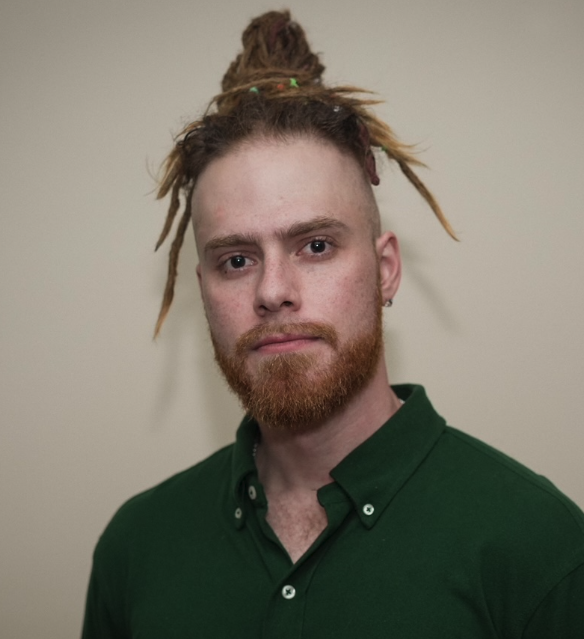
Alongside the graphic novels, illustrated and designed by artist Dr Tatiana Tavares, Dr Lisa Williams and the creative team, the suite includes 18 short films by filmmaker Eddie Mariott, a discussion-based reflection tool called Te Oro Ngākau Nui, and the bilingual website Pou Kāpura.
Professor Nikora said culturally resonant information was critical for such a sensitive issue.
"These resources offer whānau a safe way to engage with a very sensitive kaupapa," Professor Nikora said.
"They allow Māori to consider assisted dying within our own values and wairua."
Dr Moeke-Maxwell said the response at the launch confirmed the need for open and safe kōrero (discussion) around assisted dying.
"Our whānau are very private about assisted dying," Dr Moeke-Maxwell said.
"Many are hearing about it properly for the first time.
"My hope is that these resources will help whānau have friendly, safe conversations - so they can weigh up the pros and cons and support one another, whatever decisions they make."
Pou Kāpura and the wider resource suite are now available to support whānau, communities and health practitioners across Aotearoa.