




The Moriori people, tchakat henu (people of the land) are from Rēkohu and Rangihuaute (Chatham and Pitt Islands), approximately 800km East off the coast of Aotearoa (New Zealand).
They were once believed to be a Melanesian people, though later they have been determined to share similar Polynesian ancestry to the Māori, arriving around 1500 AD.
While sharing some DNA with Māori, they have developed their own unique language, customs and adapted to a colder maritime climate.
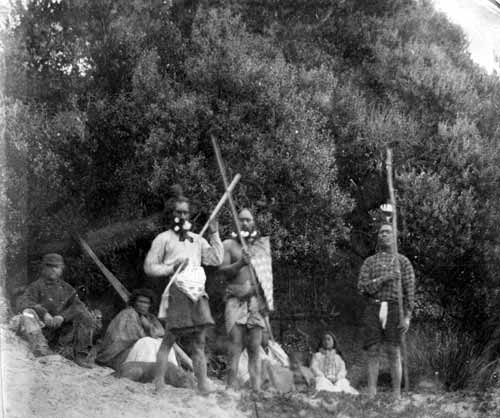
There has been discourse - particularly recently - that the Moriori were a pre-Māori people who were colonised and murdered by the arriving Māori, though this has been proven false with researchers noting the Moriori moved on from the mainland about 200 years after they arrived on Aotearoa.
Moriori reached Rēkohu and Rangihaute by various Polynesian voyaging canoes.
Archaeology supports this timeline, with most dated material on the islands post-1500.
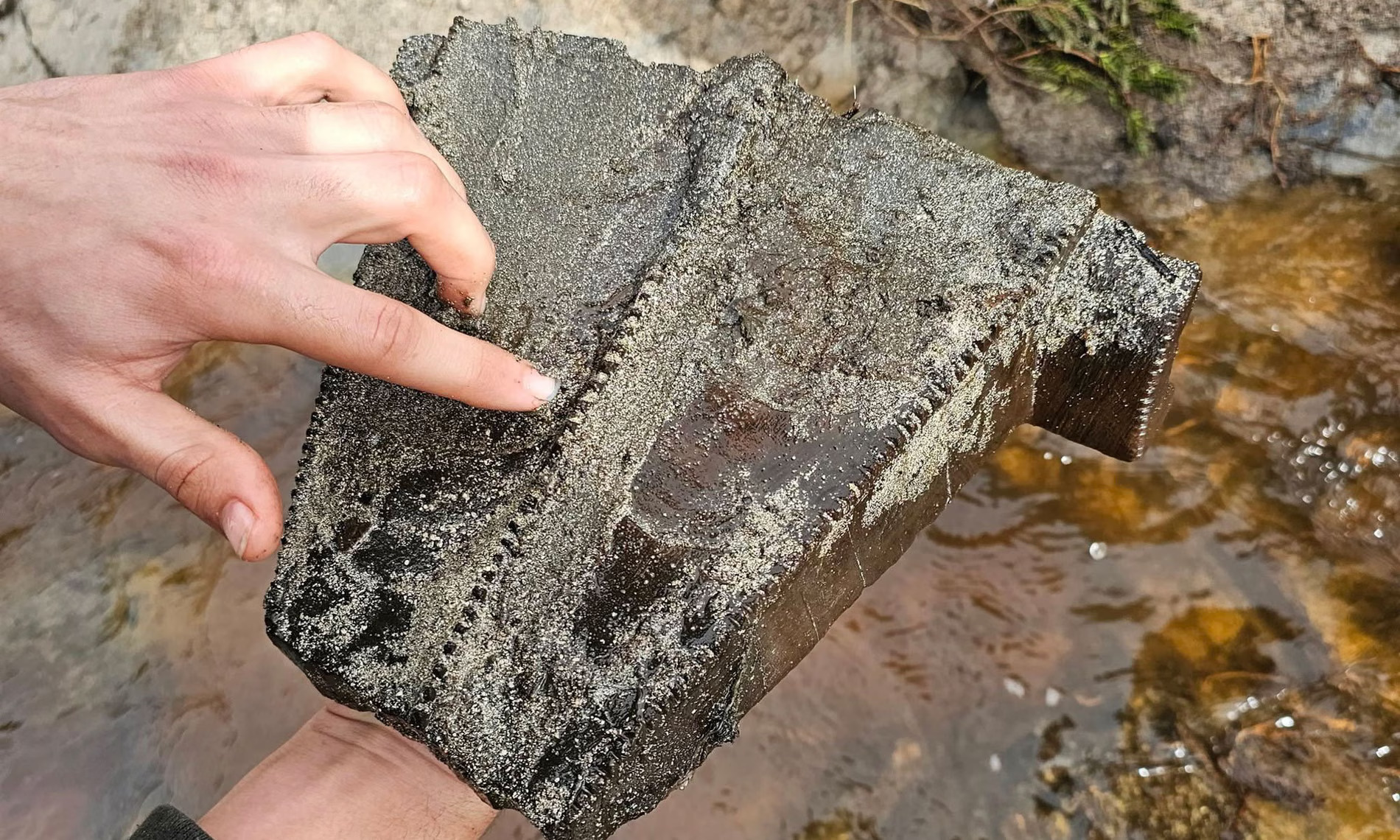
Recent finds of a large ocean-going waka (canoe) on Rēkohu add physical evidence of Polynesian canoe technology and long-distance travel to the islands.
Charles Solomon-Rehe, Moriori, Kai Tahu, Pākehā, Rangata Matua (Moriori Elder) has lived and worked on Rēkohu for a large portion of his life, despite being born in Temuka, Aotearoa/NZ.
He first visited the Island when he was two and has since played a major role in the community.
"The thing I've enjoyed most since I've been on the island is getting together with my family... speaking to all the artists, scientists and stone and wood people," he said.
Moriori signed a Deed of Settlement with the Crown on 14 February 2020 to resolve all historical Treaty of Waitangi claims.
The settlement took legal effect on 16 February 2022.
A people's struggle
The 1835 invasion of the Chathams by two North Island iwi (Maori tribal groups), led to killings, enslavement and land loss for Moriori, yet the community survived and has rebuilt in recent decades.
Invaders killed approximately 300 people and enslaved majority of the remaining population.
Several hundred invaders landed in two waves across November and December and quickly asserted control over settlements.
Moriori leaders convened a hui at Te Awapatiki, on the East-side of the Island and reaffirmed Nunuku's Law, a covenant of peace that barred warfare and cannibalism.
Because Moriori refused to take up arms, killings followed and many were taken prisoner.
.jpg)
The last known full-blood Moriori, Tame Horomona Rehe (Tommy Solomon) died in 1933.
Approximately 1000 people remain who identify as Moriori, though they are mixed with Māori and European DNA.
Cultural Traditions
Moriori social leadership historically emphasised role-based authority in vital tasks such as fishing and birding rather than strict heredity.
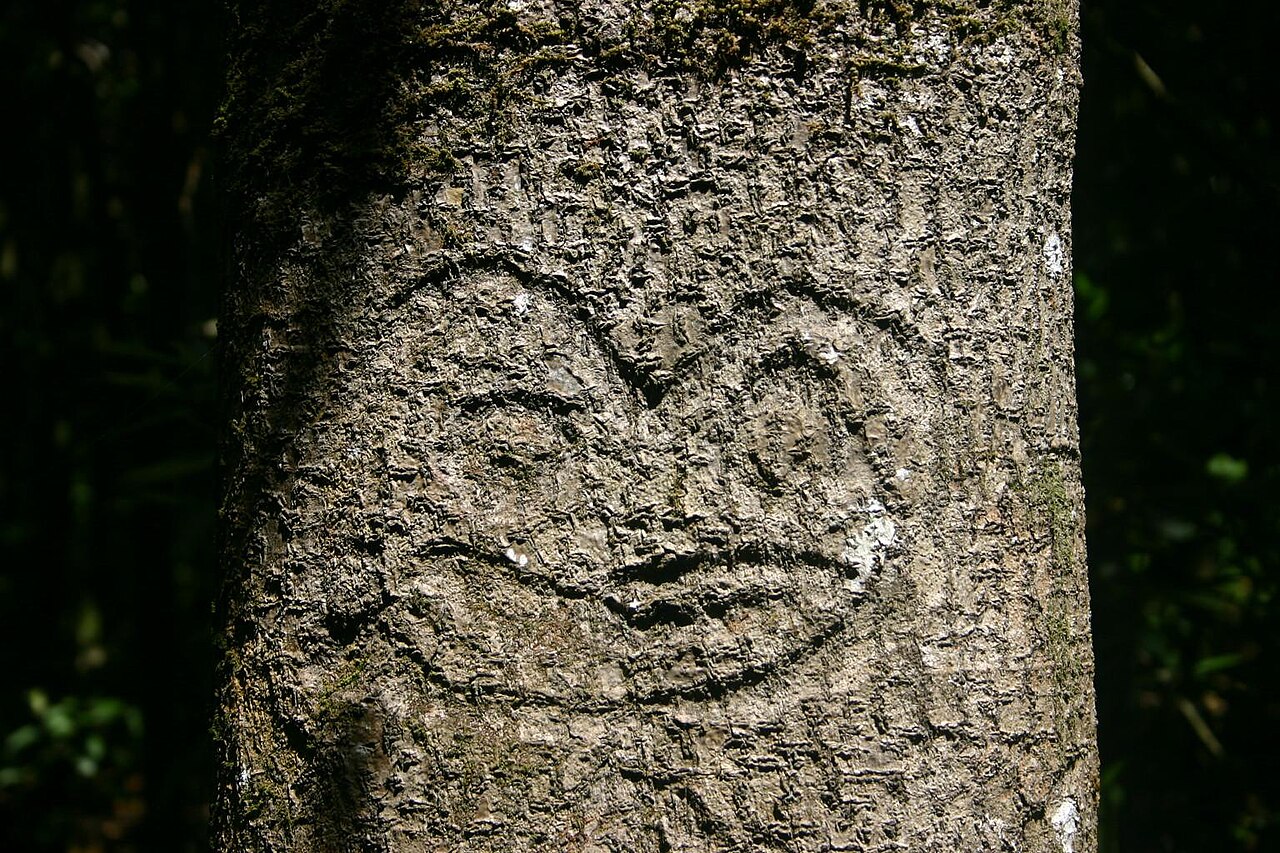
Rākau momori, or dendroglyphs, are unique carvings on living kopi trees holding memorial and spiritual meanings and are now the subject of conservation work.
Karakii (incantations) and rongo (songs) hold an important place in cultural practice and are being documented and revitalised.
Nunuku's Law remains a defining ethic, remembered as a commitment to peace that shaped Moriori identity.
Traditional lifestyles centred on harvesting inshore fish, seal and bird resources, shellfish gathering and cultivating or managing plant foods such as kopi and fern root.
Tree-carving, rock and cave imagery and woven forms are part of an enduring visual language tied to place and ancestors.
Community life organised around coastal kāinga and the Te Whanga lagoon reflect seasonal movement and sustainable use of resources.
Repatriations
Two KÅimi T'chakat (Moriori ancestors) began their return from Australia on 11 February 2025 after a handover ceremony at the National Museum of Australia in Canberra.
Hokotehi Moriori Trust trustees Belinda Williamson and Jared Watty took their karāpuna (ancestors) into care, following a two-year collaboration between the National Museum of Australia, Te Papa Tongarewa and the Moriori community.
.jpg)
The ancestors will be held in Te Papa's wāhi tchap in Wellington alongside around 512 KÅimi T'chakat Moriori until the community determines the time for reburial on Rēkohu and Rangihaute.
Ms Solomon said the ceremonies enable reconciliation through Moriori protocols.
"They give us the unique opportunity to honour our ancestors in a way that only Indigenous peoples can, through our tikane, karakii and rongo."
Since 2003, the Karanga Aotearoa Repatriation Programme has returned close to 500 Moriori ancestors from institutions worldwide, with the goal, Dr Arapata Hakiwai said, of "bringing home all Māori and Moriori ancestors held overseas."
Language and the first Moriori Language Week
Ta rē Moriori is a distinct Polynesian language related to, but different from, te reo Māori.
Revitalisation efforts include digital tools and lessons developed by Moriori organisations to support learners.
On November 17, November 2025, the Hokotehi Moriori Trust will launch the first Moriori language week.
Activities will span across Rēkohu and online to help normalise everyday use of ta re Moriori.
Interim CEO Levi Lanauze said the week aims to ensure the language is "revived, spoken, and celebrated - whether or not it has official recognition," he told RNZ.
Trust secretary Hana-Maraea Solomon said the goal is wide participation and connection to ancestors.
"We just want everybody to be able to share and enjoy our language with us," she said.
The week will feature online ta rē sessions, social content, songs and events on Rēkohu and across Aotearoa.