




For many Indigenous people, deciding whether to vote in the upcoming Canadian election remains a complex and personal decision.
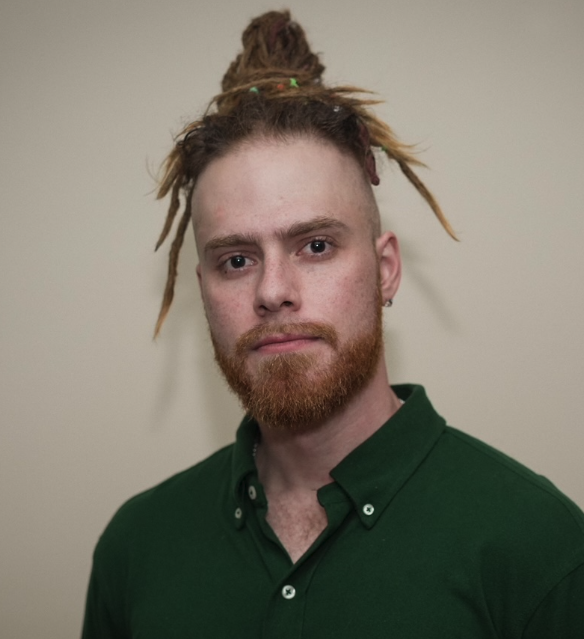
Chadwick Cowie, an assistant professor of political science at the University of Toronto Scarborough and a member of the Hiawatha First Nation, said the impact of the Indigenous vote is clear, but participation is not guaranteed.
"We can impact the vote, it's whether or not we choose to," Mr Cowie said.
He said he understands the reasons why some First Nations people may choose not to vote, particularly in relation to treaty rights and the history of colonialism.
"The idea of citizenship in the Canadian state hasn't been one to necessarily treat us as equals, but rather to be utilised as a way of furthering settler colonialism," he said.
Voting access for Indigenous people in Canada, like Australia, has historically lagged well behind the non-Indigenous population.
Inuit were granted the right to vote in 1950, though many did not have ballot boxes in their communities until 1962.
First Nations people were not granted the right to vote in federal elections until 1960.
The 2015 Canadian federal election saw a notable increase in First Nations voter turnout, which Mr Cowie linked to the momentum following the Idle No More movement.
"Indigenous people were deciding to vote, not because of having a sense of duty to being a Canadian citizen, but a sense of duty to their own nations," he said.
"For First Nations people, it was more that they had enough of a government that consistently steamrolled them."
Elections Canada does not record overall Indigenous voter turnout but does track participation on reserves.
In 2015, 61.5 per cent of First Nations voters living on reserve cast a ballot, a 14-point increase from 2011.
That figure dropped to 44.5 per cent in the 2021 election, compared to 62.6 per cent for the general population.
Mr Cowie said the political climate has shifted since 2015 and that reconciliation and treaty rights are no longer central to campaign discussions.
"We've always dealt with an onslaught of people trying to assimilate or take us over or control us," he said.
"I think it's causing confusion over what to do and how to go about doing it."
Despite this, advocacy efforts continue.
The Assembly of Manitoba Chiefs (AMC) has launched a campaign to inform voters about party platforms on Indigenous issues and encourage federal parties to engage with First Nations communities.
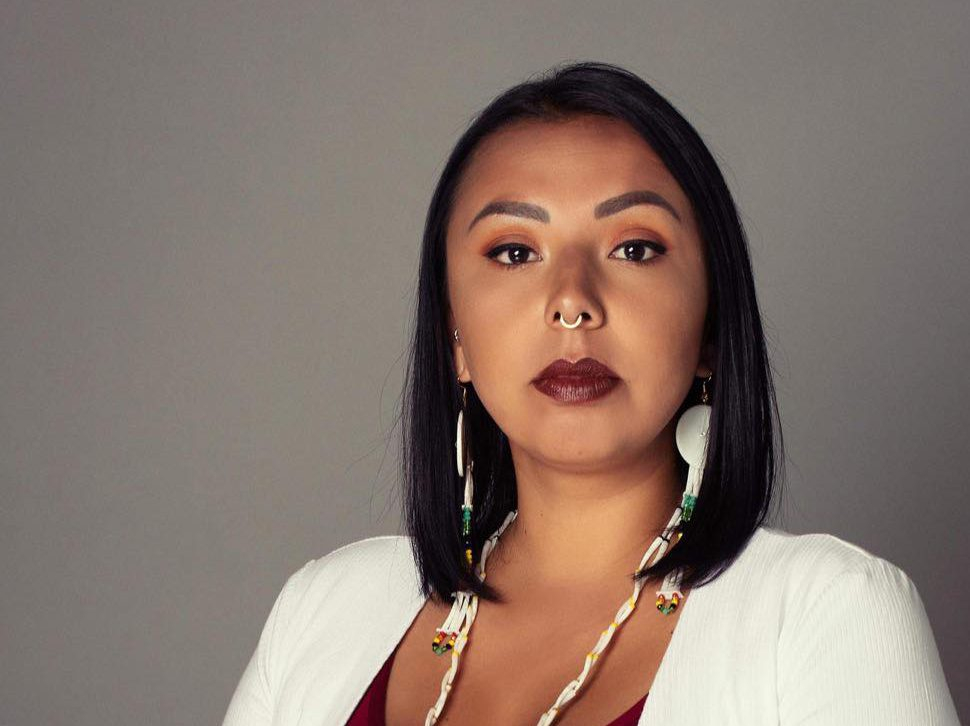
AMC Grand Chief Kyra Wilson said the focus is on ensuring Indigenous perspectives are represented in election discussions.
"We are focused on ensuring that all parties understand our position and how First Nations people, First Nations communities … need to be involved," Ms Wilson said.
She said several key issues remain unresolved despite promises made during past election cycles.
"There are so many very important areas that continually go unaddressed … housing infrastructure, clean drinking water, child welfare – the issues still remain," she said.
For Ms Wilson, treaty recognition remains the priority.
"We need to be able to figure this out together, First Nations and government and the Crown, how are we going to uphold the treaties that were promised," she said.
- With material produced by CBC.