




Fiji is moving to reform how it finances biodiversity protection, with a BIOFIN validation workshop currently underway to shift from fragmented projects to a coordinated national system.
Minister for Environment and Climate Change, Mosese Bulitavu, framed the changes as necessary to connect conservation funding to wider development outcomes.
He told the workshop biodiversity underpins Fiji's economy, food security, disaster resilience and livelihoods, and should be treated as a national priority rather than only an environmental issue.
"We cannot continue to protect biodiversity with fragmented projects and financial systems," Mr Bulitavu said.
"BIOFIN is about fixing how Fiji plans, tracks, and governs biodiversity finance because without disciplined financing, conservation will always fall short of national development.
"This work is about ensuring that every dollar spent strengthens resilience, protects livelihoods, and delivers long-term value for our people and our economy."
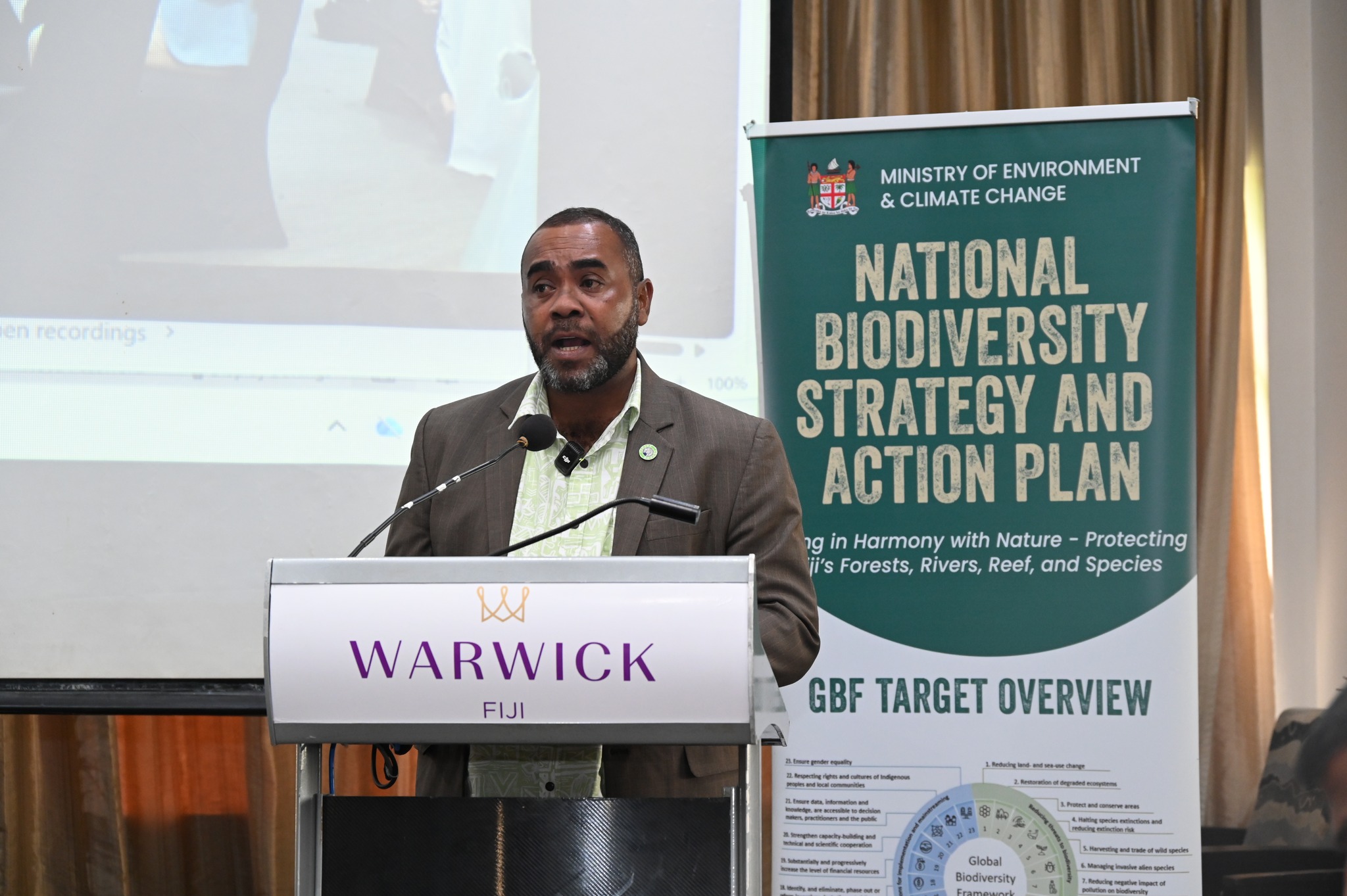
The four-day workshop is validating updates to two cornerstone reports under Biodiversity Finance Initiative II, the Policy and Institutional Review and the Biodiversity Expenditure Review.
The reports were first developed in 2017 and are now being revised to reflect evolving national priorities and global commitments, including the Kunming-Montreal Global Biodiversity Framework.
The reviews examine Fiji's fiscal, policy and institutional settings and track biodiversity-related expenditure to better identify where funding is falling short and how it is being managed.
The work comes as the global biodiversity financing gap is estimated at approximately $700 billion USD a year, which has increased pressure on countries to mobilise more resources, improve efficiency and cut financial flows that harm biodiversity.
The funding shortfall has been outlined in the Little Book on Investing in Nature, which argues national budgets and broader financial settings will need to shift if countries are to meet the global targets.
In Fiji, the updated reports are intended to feed into the National Biodiversity Strategy and Action Plan, support the Sustainable Development Goals, and guide development of a Biodiversity Finance Plan required under Target 19 of the global framework.
The Biodiversity Finance Plan is intended to map gaps and options in a single framework, rather than relying on separate projects and short-term funding cycles.
The plan is expected to identify Fiji's biodiversity finance gaps, propose reforms to reduce harmful expenditure, and outline options to mobilise sustainable financing while improving how funding is planned, tracked and governed.
The next phase of work is expected to include a Finance Needs Assessment, which will help determine the scale of financing required and where reforms could deliver the biggest gains.
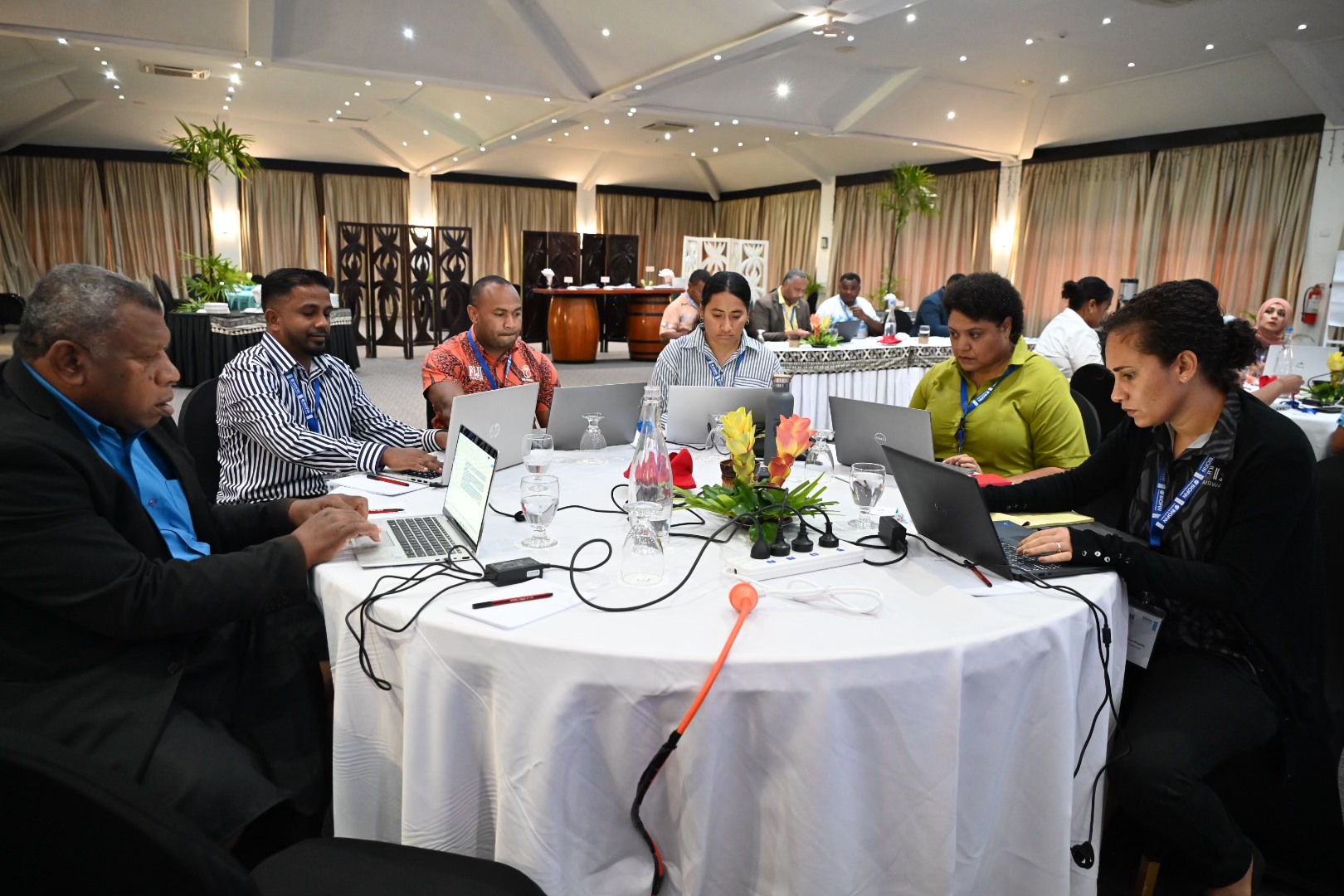
The workshop has been jointly convened by the Ministry of Environment and Climate Change and the United Nations Development Programme (UNDP), bringing together government agencies, the private sector, civil society, academia and development partners.
UNDP Pacific Office in Fiji Resident Representative, Munkhtuya Altangerel, linked the finance work to daily systems and long-term resilience, while pointing to a growing list of pressures on ecosystems.
"Biodiversity is the foundation of our food systems, our resilience, and our identity as a nation," she said.
"Yet, it faces increasing pressure from habitat loss, invasive species, pollution, and climate change.
"Addressing these challenges requires more than good intentions; it requires finance strategies that are coherent, adequate, and aligned with national priorities."
Organisers say the validation process is intended to ensure revised recommendations align with Fiji's national priorities while meeting global commitments.
Outcomes from the workshop will guide government endorsement and pave the way for the next stage of work, including a Finance Needs Assessment and the drafting of Fiji's Biodiversity Finance Plan.