





Just shy of 30,000 fans, many thousands of kilometres away from their cultural homelands, saw New Zealand and Samoa play out rugby league's Pacific Championships final last weekend.
In the weeks prior, almost 40,000 saw the Kiwis host Tonga at Eden Park, and earlier thousands more in Mount Smart Stadium, both in Auckland, in addition to national colours painting the stands in Brisbane and Port Moresby through the international window.
While New Zealand lifted the marquee trophy on Sunday, the cultural expression in language, flags and celebrations through football points to something bigger, according to Waipapa Taumata Rau - University of Auckland Pacific Studies lecturer, Dr Sarah McLean-Orsborn.
Between 1961 and the present day, Aotearoa has grown from the home of 14,000 Pacific-born residents to 442,000, or close to nine per cent of the population, identifying as members of the diaspora.
Across various sports, but in particular the rugby codes, Pacific peoples have been welcomed and celebrated, Dr McLean-Orsborn says.
"We know that for many, it started on factory floors - such as the Onehunga Wool Mills or the Westfield Freezing Works," she said, of early beginnings for many in Pacific diaspora communities.
"This physically arduous labour saw many push their children and grandchildren towards higher education in hopes that the labour they would take up, would be mental as opposed to physical.
"It is fair to say that during this time, recreational activities and hobbies were not actively encouraged or pursued because it could be seen as a distraction or deviation from this greater goal and vision - particularly because many of these occupational spaces had not previously had Pacific representation in them."
The support and pride of national teams are indications of the successes of Pasifika parents, grandparents and great-grandparents, Dr McLean-Orsborn added.
"Which is why we are seeing families supporting their young ones to pursue professional sporting careers - because we see the value and the potential," she said.
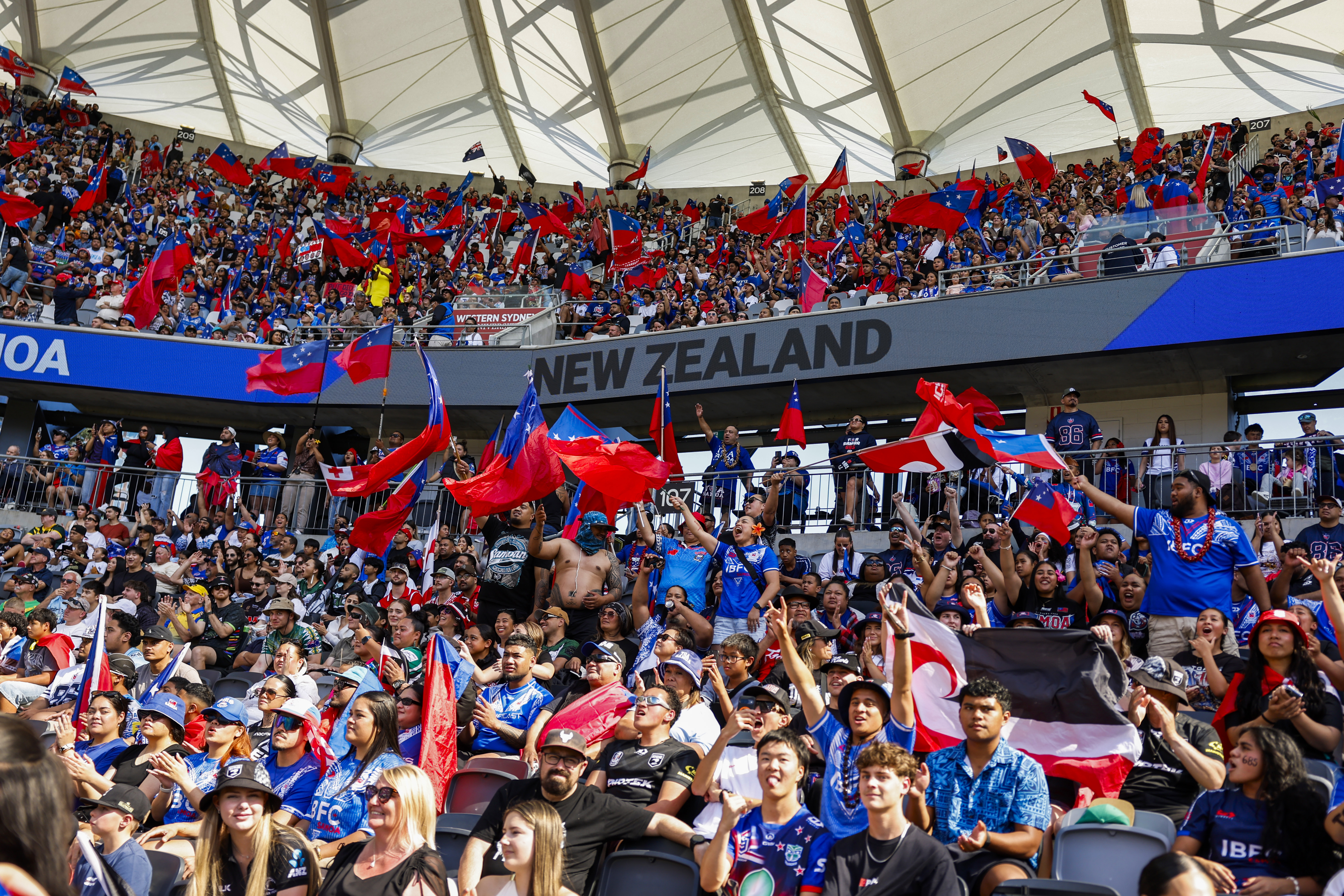
In 2025 Australia's men's side, on tour in England for the Ashes, did not play in a completed Pacific Championships for the first time since its introduction six years earlier.
Cook Islands, Fiji, New Zealand, Papua New Guinea, Samoa and Tonga's all featured closer to home.
The Jillaroos claimed their second title in the women's tournament.
Decisions to represent their cultures and nations historically outside of the world's top-ranked teams by many of the sport's most elite players, State of Origin experienced and Kangaroos-capped names amongst them, has been a growing phenomenon in recent years.
Not since France lost to Australia in 1968 had a team another team outside of New Zealand, Great Britain or England reached a men's world cup final before Samoa progressed in 2022.
In a broader sense, exclusively but including what's seen through sport and its supporters, Pasifika people embracing their heritage, despite some never personally visiting their cultural homelands, which represents a change taking place, Dr McLean-Orsborn added.
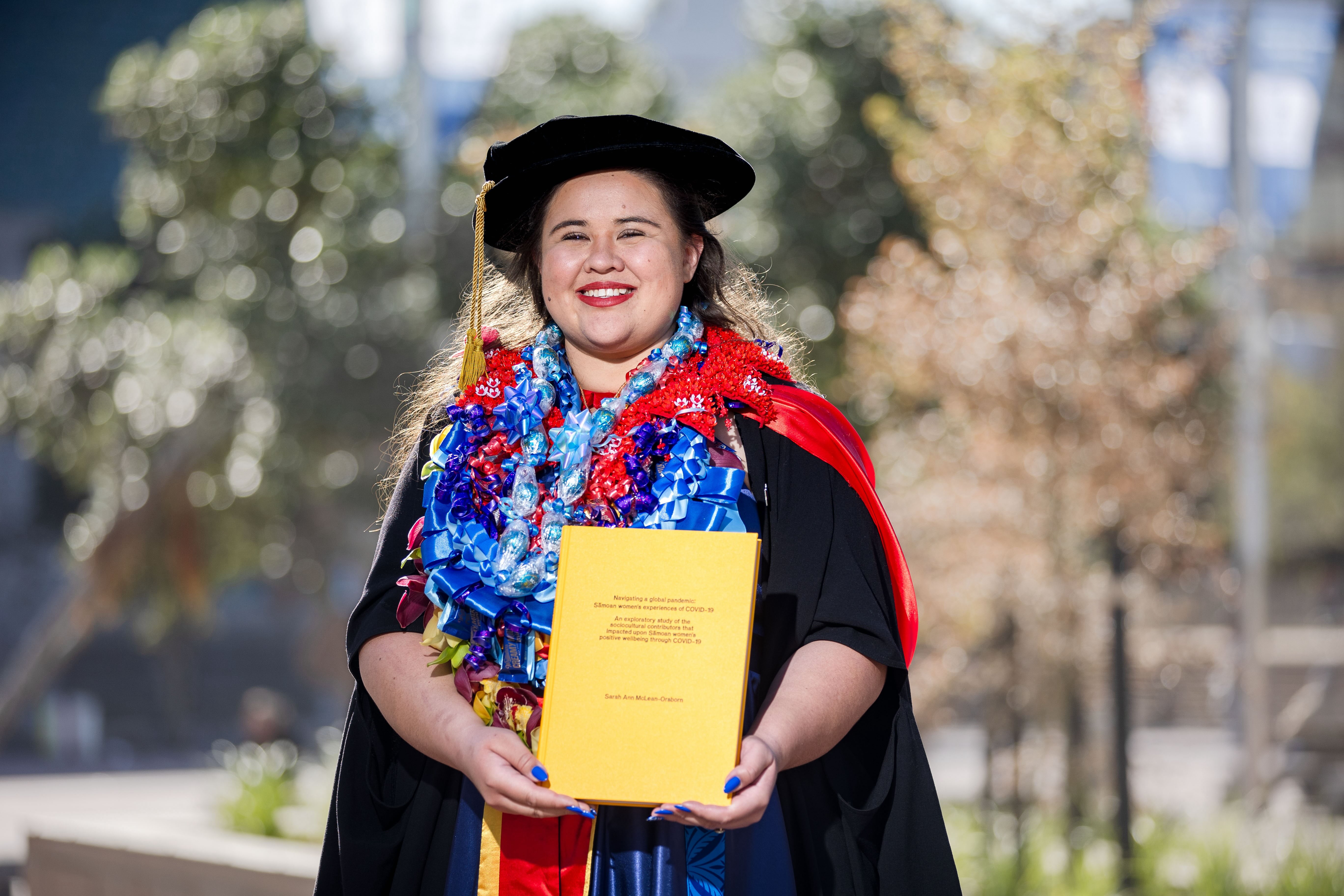
"No longer are we needing to assimilate and trying to blend in or to disguise our Pacific-ness - we are able to be loud and proud with our language, flags and sirens (although some respect to hours of when this is appropriate would be appreciated)," she said.
Dr McLean-Orsborn added: "I think this shows that we are still maintaining connections in a meaningful manner. For our players who are island-born and raised, this support from communities beyond the homeland are key pillars of support, to show that there is an international gaze on how government funding and support is procured and utilised in regard to sports.
"We have seen unfortunately on a number of occasions the need for our transnational communities to call out lack of transparency and the inequality and inequity our island sports teams endure."
Dr McLean-Orsborn said she hopes there's opportunity to "turn our gaze to the political arena and we explore the ways that we can engage in that space" in the same way seen in sport.