



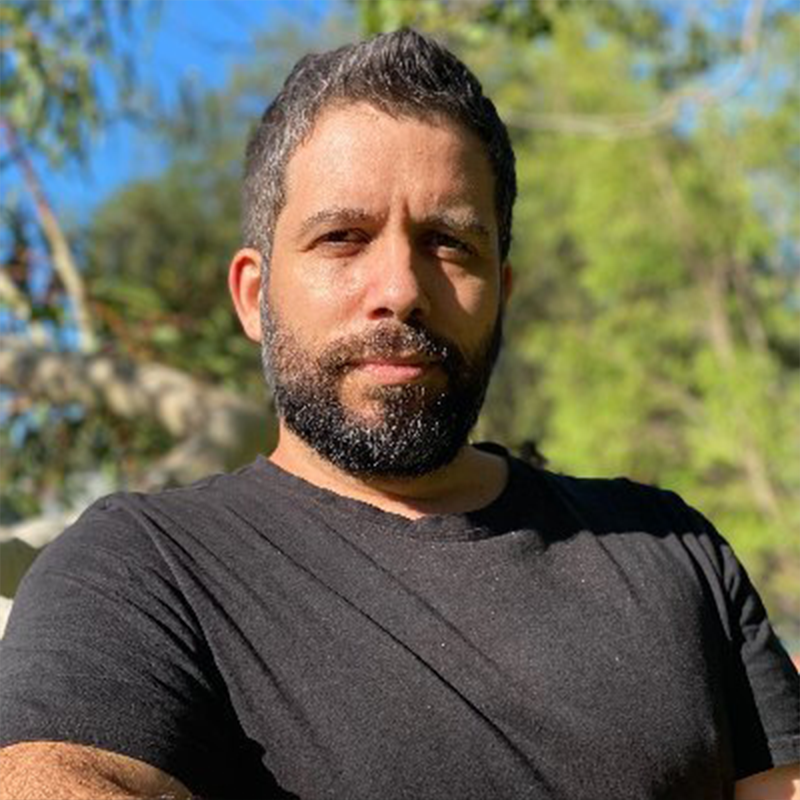

An Indigenous Desert Alliance delegation is standing tall at the 30th United Nations Climate Change Conference in Belem, Brazil.
The IDA COP30 team hosted a panel session in the Australian Pavilion at the Conference on Tuesday under the title Cultural Resilience = Climate Resilience.
The session entailed a facilitated conversation with Indigenous Desert Alliance chief executive Sam Murray and staff to showcase the desert climate story as it relates to Indigenous perspectives, including impacts on culture, community and Country, and how investing in cultural resilience is key to supporting climate resilience.
Alongside Ms Murray the IDA team included Indigenous Desert Alliance People & Cultural Officer Jade Bromilow, Regional Support Officer Kevin Tromp, and Partnerships Manager Jon Hodgetts.
Ms Murray told National Indigenous Times it is very important "for Australian Indigenous people to be heard on an international scale".
"I think it elevates the stories from back home. For me in particular, coming here with the team and talking and elevating desert rangers' voices is really super important," she said.
"And on a global scale, it means you get that elevation and awareness out there about rangers and the good work they do back home, and desert communities and their place is recognised for what they contribute to the environmental work we should all be doing caring for the environment and the country."
Ms Murray said it was "100 per cent" important for First Nations voices to be heard in any discussion on climate change.
"It goes beyond the obvious fact that First Nations people, we've got a pretty good track record of caring for the environment. We know what we're doing after thousands of years, and we've also got the stories," she said.
"The two things I always yarn about, and I think that as First Nations, we do this naturally because of who we are, but we can actually teach people, share with people to connect with Country and to love it.
"We love Country because we believe that we belong to Country and that we come from that. So, that love for the environment, for Country, for special places and stories is shared. We can teach other Australians and other people around the world about how to come to love the places that they are living on, and to think more deeply about this country and environment they are living on and working on."
The Indigenous Desert Alliance CEO noted that First Nations people have been caring for Country for a very long time.
"I think we love and care for the Country in a personal and intimate way... We can share that, and hopefully people can come to connect with the environment better than they have," she said.
.JPG)
Ms Murray said Indigenous people know the damage climate change is doing to Country and are dedicated to protecting it.
"We're committed to that job of caring for Country 'till the day we die and speaking up for Country and carrying culture. There's a sense of resilience and positivity, knowing that this is our job. We're always going to do it. And we love doing it and it's who we are," she said.
"I think in the world where there's a lot of doom and gloom and a lot of seriousness that should be taken about climate change impacts, looking at First Nations Australians and how they're still committed, rangers are still rocking up every day and looking after the environment... I think that's something we can teach all Australians about; that there's a commitment and a resilience and a passion and a positivity about caring for the environment, even if at times it feels like it's too overwhelming or the impacts are too big."
Ms Murray said the need for urgent, fundamental change to tackle the climate crisis is "incredibly critical".
"We look at things like the opportunity to heal country to what it was before, or to heal Country or to make the damages less, and the opportunity to do that is diminishing rapidly," she told National Indigenous Times.
"The window is closing on the ability to not only stop or lessen the impacts... but also to heal the Country to the extent that we need it to be. It's a twofold thing in terms of that window getting smaller. It's stopping and slowing the impacts and the ability to then regenerate, restore and heal."
Ms Murray encouraged the wider public to "look to First Nations people and the allies that are out there working hard and have been doing it for a very long time".
"Climate change impacts aren't a new trending thing. Caring for the environment and conservation isn't just something that's new and become popular. People like First Nations people are really experienced and passionate, committed, and non-Indigenous allies that work alongside us like ranger coordinators and ecologists and the like. They've been doing it for a very long time - and obviously First Nations people for thousands of years," she said.
"I think recognising that there has been good work done for so long already... look what's been done, what's working, elevate and support those that are actually doing really good work in this space and keep them going.
"See what First Nations groups are doing, especially rangers, get behind them, support what they're doing and elevate that work. If you feel like you don't know what you can do, look around. There are a lot of people who are trying to care for the environment, care for Country, especially First Nations people; just get behind them, share their stories, approach them with funding. Say, 'hey, I want to help, I think you guys are doing great work, what can I do to get behind it?'.
"Turn that feeling of helplessness into getting behind Indigenous environmental work and conservation and care for Country, and you will find those people out there. Because we're doing the work and have been for a very long time."