




Trinidad and Tobago's decision to remove Christopher Columbus' ships from its official coat of arms marks a significant step in redefining the nation's identity.
This move symbolises a shift away from colonial symbols and towards recognising the country's Indigenous heritage.
By distancing itself from figures tied to conquest and exploitation, Trinidad and Tobago embraces a broader movement towards decolonisation, acknowledging the resilience and contributions of Indigenous communities.
The proposed change will see the ships Santa María, La Niña, and La Pinta, replaced by a steelpan - a symbol of the country's identity and creativity.
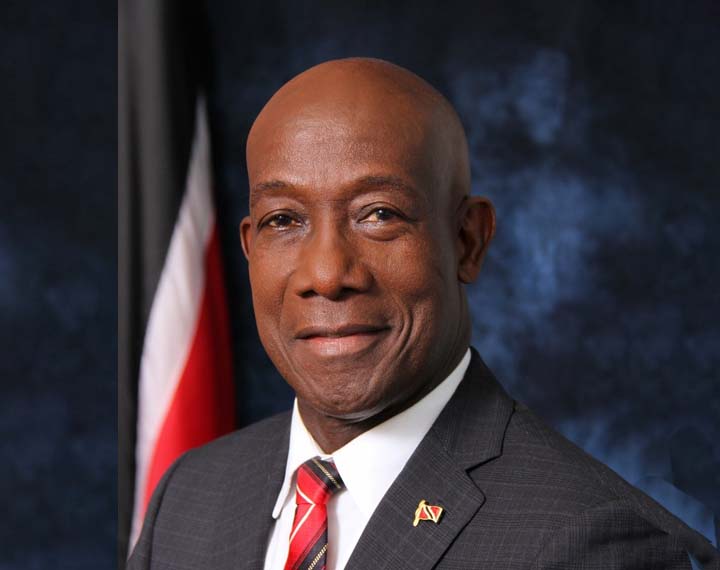
Prime Minister Keith Rowley announced the decision in August to a standing ovation, saying the changes will be made by late September.
"As soon as that legislative adjustment is made, which should be before the 24th of September, we then, over 6 months will replace Columbus' three ships with the Steelpan."
"That should signal that we are on our way to removing the colonial vestiges that we have in our constitution," he said.
Long before European colonisers arrived, the Kalinago (Caribs) and Nepuyo (Arawaks) had lived in Trinidad and Tobago for thousands of years.
These Indigenous groups had distinct languages, customs, and spiritual practices rooted in their connection to the land.
The Kalinago were skilled in canoe building and basket weaving, while the Nepuyo excelled in agriculture and pottery.
Both groups lived harmoniously with nature, respecting the ecosystems they relied on.
In recent years, there has been increasing recognition of the importance of Indigenous peoples in shaping the history and identity of Trinidad and Tobago.
Public education efforts aimed at raising awareness about the heritage and contributions of these communities have gained traction. Recognising their history and protecting their cultural identity is seen as crucial for future generations.
Columbus is a notorious figure, whose crimes in the New World were so extreme that even contemporaries accustomed to brutality were shocked by them. He engaged in torture, sex trafficking, rape, mutilation and genocide. Within five decades of the arrival of Columbus on Hispaniola, the indigenous population was reduced from around 300,000 to 500.
The removal of Columbus' ships from the coat of arms is part of Trinidad and Tobago's broader commitment to embracing its diverse cultural roots. It reflects the country's stance against glorifying individuals linked to oppression while signalling a path towards greater inclusivity, justice, and historical recognition.