



A new study from the University of Hawaiʻi at Mānoa has examined how Indigenous communities define elderhood and how this role supports healthy ageing and community well-being.
Led by Yu-Chi Kalesekes Huang and Professor Kathryn Braun from the Thompson School of Social Work & Public Health, the research reviewed 20 academic publications focused on how Indigenous elders contribute to their communities.
The study draws on a wide range of Indigenous groups, including Inuit, Métis and First Nations in Canada; Alaska Natives, Native Hawaiians, Samoans, Tongans and Native Americans in the United States; Māori in Aotearoa New Zealand; Aboriginal and Torres Strait Islander peoples in Australia; and the Aymara people in Chile.
Published in the International Journal of Environmental Research and Public Health, the study identifies six themes that are common across many cultures.
Elders are described as individuals who are respected for living, knowing and teaching traditional knowledge, who are committed to passing on their wisdom to younger generations, who continue to contribute to their communities and who provide a vision for the future that is rooted in cultural tradition.
Ms Huang said the value of the research lies in how it centres the importance of elders in community health and cultural strength.
"We believe the important contribution of this research lies in emphasising the key role of Indigenous Elders in tribes and communities," she said.
She said that elderhood is tied to responsibility, knowledge and service.
"For Indigenous peoples, the title of 'Elder' is earned by playing a continuous role in preserving cultural traditions and enhancing community resilience, which brings benefits to the overall health and well-being of the community."
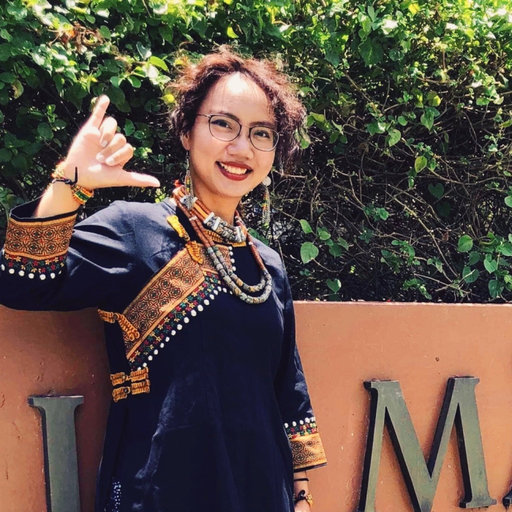
The role is not strictly defined by age, and Elders are also recognised as care providers within their communities.
The findings show that elderhood is not simply a matter of age, but a respected status that is earned.
This role is grounded in cultural stewardship, active participation in community life, and the transmission of knowledge across generations.
The researchers argue that recognising and supporting this process can improve health outcomes for older people and promote resilience within Indigenous communities.
Ms Huang said that when an older person takes on this role, they are seen as having reached a form of success in ageing.
"If an older person earns the title of Elder, they are seen as having aged successfully and embody the principles of healthy aging," she said.
The researchers call on policymakers and community leaders to embrace culturally grounded frameworks that honour the contributions of Indigenous Elders.
They argue that these approaches can help strengthen both health systems and cultural ties, while also supporting the resilience of Indigenous communities.