


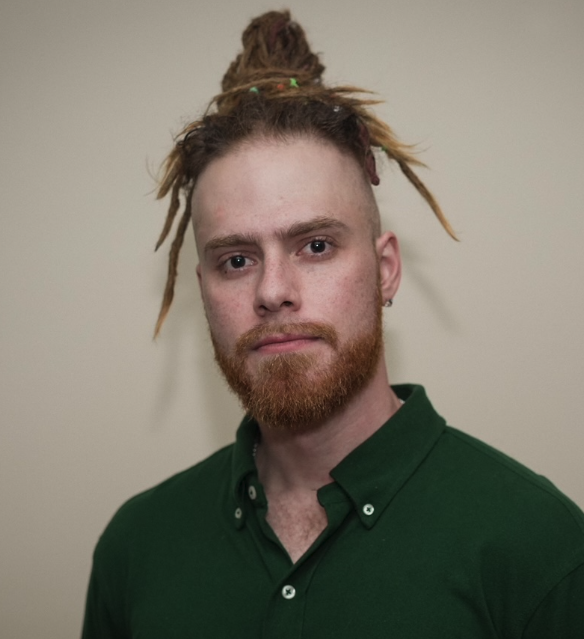

Hikawai Te Nahu, originally from Rotorua and well-versed in Te Āo Māori, moved to the University of Auckland's Waipapa Taumata Rau campus in 2019, transitioning from his Māori community upbringing.
Coming from the Ngāti Whakaue, Ngāti Rangiwewehi, Ngāti Porou, Rongomaiwahine, Te Aitanga ā Hauiti, and Ngāti Te Whatuiāpiti iwi (tribes), he graduated on May 8 with a bachelor's degree in arts and science.
During his studies, Hikawai concentrated on rangatiratanga (leadership) and kaitiakitanga (guardianship) of Aotearoa New Zealand's freshwater systems, merging his interests in Māori Studies and Environmental Science.
"The core of our curriculum is the health and well-being of the student, their wairua (spirit), and their identity," Hikawai said.
"This is how success is made – everything else comes second."
His commitment is evident in his varied portfolio, spanning from his positions as a reo (language) teacher and tikanga (values) adviser at the University to his involvement with Te Arawa Lakes Trust, aiming to enhance the region's freshwater systems.
Hikawai's efforts consistently underscore his devotion to his culture.
Hikawai, an internationally recognised kaihaka (performer), achieved second place at Te Matatini 2023, the world's largest Indigenous performing arts festival, tying with Te Kapa Haka o Ngāti Whakaue.
Additionally, he secured victory at the Te Arawa Regionals in March 2024.
Throughout his academic pursuits, Hikawai embarked on tours to Italy and Taiwan with his kapa, performing at various festivals.
He was honored with the 2023 University of Auckland's Blues Awards in the Culture category, nominated by the University's Pro Vice-Chancellor Māori office.
This accolade recognised his dedication to haka and his efforts to promote Māori culture within a predominantly Western institution.
Despite challenges, Hikawai attributes his successes to his Te Āo Māori background and upbringing in kura kaupapa Māori Aho Matua.
"Kura kids are equipped from an early age to understand the value of our identity," he said.
"Our physical, academic and spiritual skills are all nurtured.
"So, when we venture off into the world, we never lose sight of our ahurea, our whakapapa, and our tuakiritanga – this keeps us well grounded, giving us a strong foundation to withstand life's challenges."
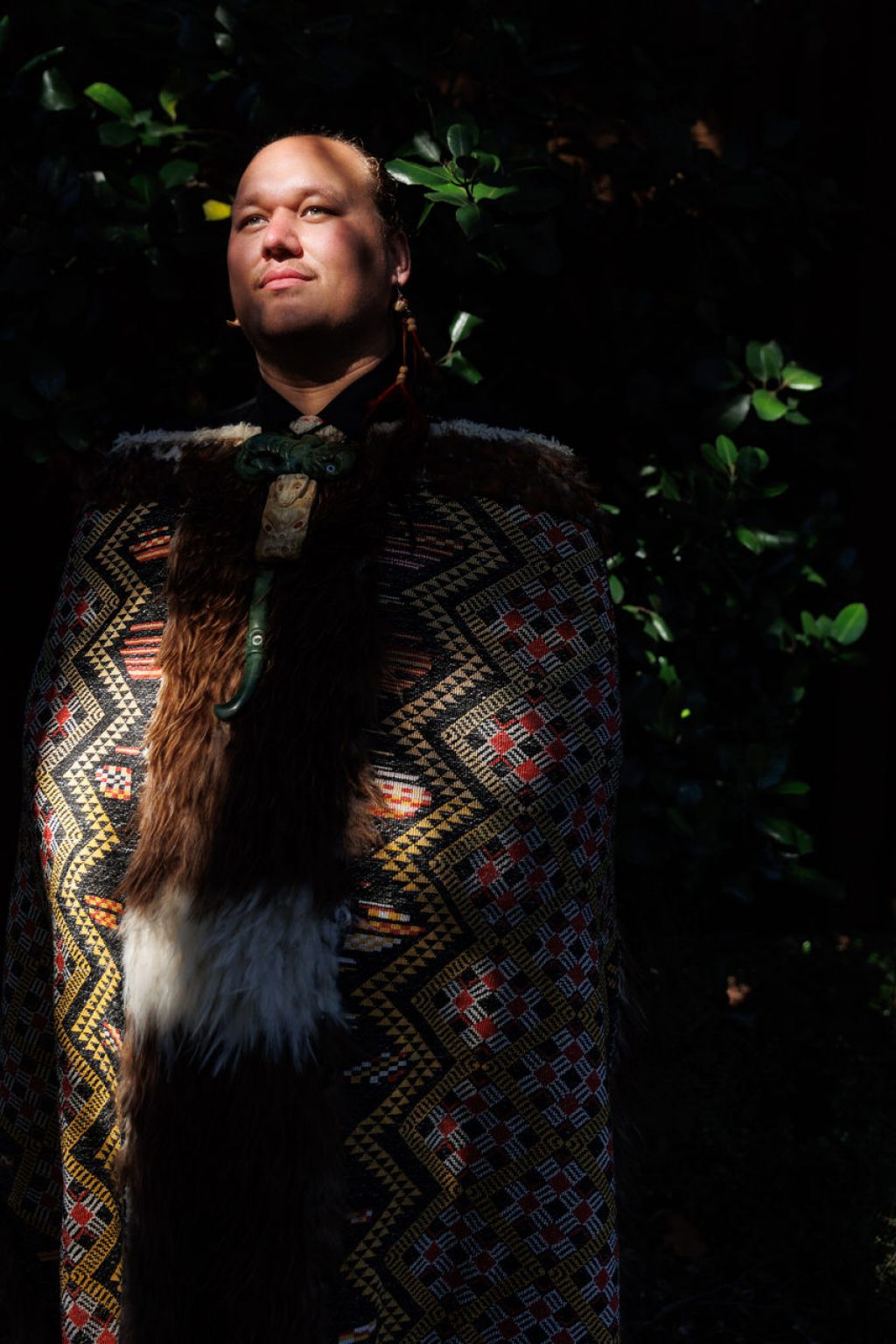
Reflecting on his initial years at the University of Auckland, Hikawai immediately observed the contrast in learning approaches and the absence of relationship-building within a Western institution.
He recalls his experience of learning te reo Māori through a Western framework.
"I took language papers as a way of staying grounded," he said.
"Naturally I was becoming physically detached to my home so taking te reo Māori papers seemed appropriate.
"But it was so strange! Learning my own language in a Pākehā (non-māori person) way."
This experience marked the beginning of a journey during which he started to explore the advantages of a Māori education system.
Throughout his studies, Hikawai aimed to offer a perspective that enriched te ao Māori learning, incorporating indigenous ways of knowing and being.
"That's why programs like Tuākana are important to bridge the gap in cultural competency because it has an impact on our learning," he said.
"It is a form of Te Āo Māori learning, fostering a tuākana-teina relationship."
These values draw comparisons with Indigenous-Australians pushing for the same ideals when instilling cultural knowledge to the future generations of children.
Hikawai, blending his passion for Mātauranga Māori with Western scientific approaches, remains open to opportunities in environmental science, marine science, and sustainability.
He aims to address pressing issues such as climate change and freshwater management, particularly within the Te Arawa region.
"Mātauranga Māori partnered with Western methods of science can create actionable solutions that are important to Māori," he said
"But the more I dove into my studies, the more it affirmed what Māori have known for generations."