




A new degree developed by Indigenous leaders and the University of British Columbia's Faculty of Forestry is set to expand opportunities for Indigenous youth in land and environmental management.
The Bachelor of Indigenous Land Stewardship (BILS) is a four-year interdisciplinary program which integrates Indigenous knowledge systems with ecological science, governance, law, economics, and business.
Co-created with Indigenous peoples across Canada, the program responds to the growing demand for Indigenous-led stewardship in the face of climate change.
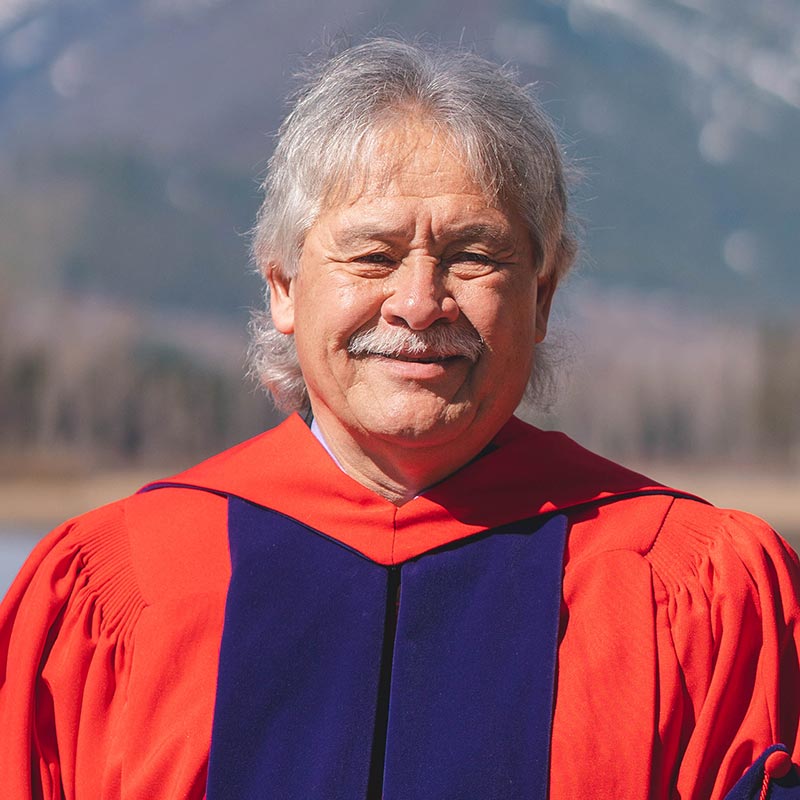
Centre for Indigenous Land Stewardship director and member of the Tahltan Nation, Dr Garry Merkel, said the program brings together multiple generations and knowledge holders.
"Through the BILS program, we unite as Knowledge Keepers, community leaders, academics and the next generation of land stewards," he said.
"We will embrace ancestral wisdom and collective action as we embark on this educational journey."
Students will learn directly from Elders, Indigenous scholars, and community Knowledge Keepers through an Indigenous-led, experiential learning model.
Field-based courses will give students hands-on experience in forests, waters, and territories, while relational, community-based education will strengthen ties between students, communities, and the land.
The program is designed to be flexible, allowing students to study from their home communities and support their Nations' self-governance goals.
Remote learning options and regional hubs will be established, with the first located in the Cariboo-Chilcotin region.
Support from the Mastercard Foundation EleV Program includes an $8.5 million investment to make the program more accessible.
Funding will assist with tuition, relocation, and work support for First Nations, Métis, and Inuit students.
Mastercard Foundation Senior director of Canada programs, Jennifer Brennan, said the program reflects the importance of Indigenous-led education.
"The Bachelor of Indigenous Land Stewardship shows us the innovation and ultimately the success, that is unlocked through co-creation with Indigenous Nations," she said.
"Indigenous youth will develop the skills and experience in their home territories to build meaningful livelihoods in sectors including natural resources, governance, and clean energy."
Dr Merkel said the program will prepare students to take up leadership roles in protecting and managing land.
"As Indigenous governments reclaim stewardship roles, BILS graduates will be prepared to protect lands, restore ecosystems and uphold Indigenous law," he said.
"BILS is more than a degree - it is the future of land stewardship."
Part of a growing movement, this first-of-its-kind degree program will be part of the globally recognised standard for environmental management by 2050.