




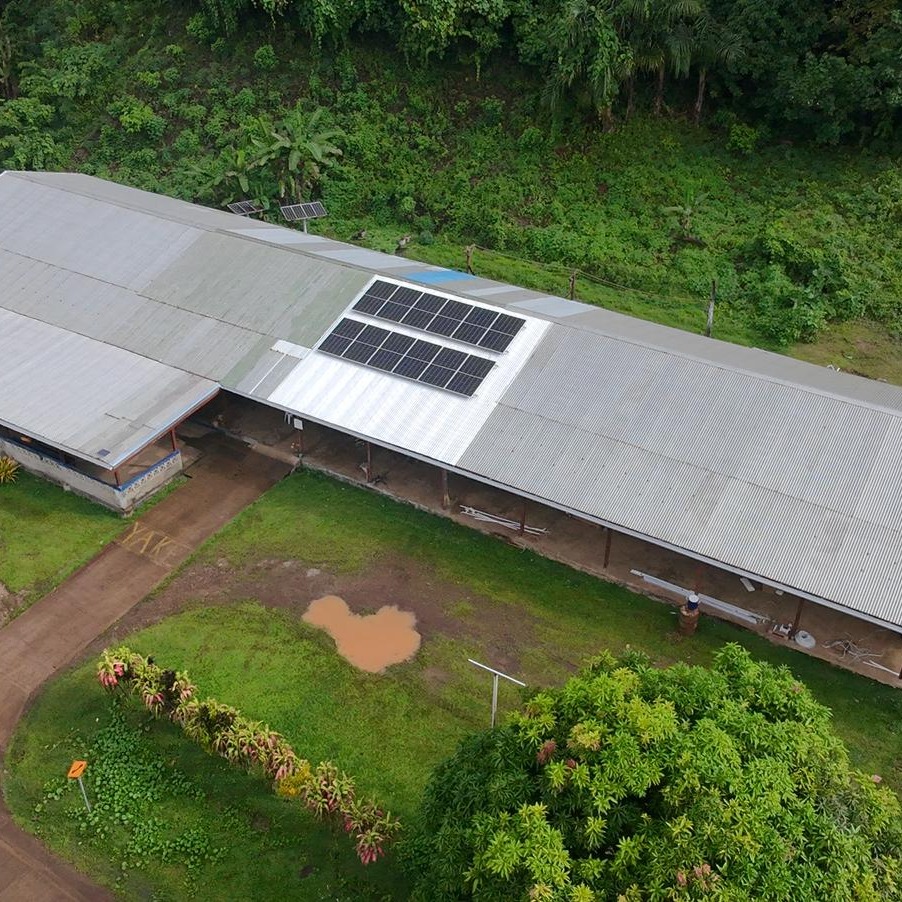
Torba Province's first x-ray service is now operational at Quatvaes Hospital, supported by a new solar energy system delivered through Australia's REnew Pacific Respond Global HELPR-1 project.
HELPR-1 is a mobile health and logistics vessel that delivers medical supplies, personnel and equipment to remote parts of the Pacific.
As part of the REnew Pacific program and supported by the Vanuatu National Green Energy Fund, the one-year project aims to strengthen local healthcare delivery by improving night-time emergency response and maternity care.
It also provides essential medical equipment and cold chain refrigeration to support vaccine storage and disease prevention.
Quatvaes Hospital is Torba's main provincial hospital, serving more than 11,000 people across Vanua Lava, Gaua, Mota Lava, Merelava, Mota, Ureparapara and the Torres Islands.
The new solar and battery system provides clean, stable power to the hospital.
Combined with the installation of an x-ray machine and other essential diagnostic tools, the upgrade marks a major step in healthcare access for Vanuatu's most remote province.
Health Minister John Still Tari Qetu, Climate Change Minister Ralph Regenvanu, MP Jean Jacques Ngwele, Torba MPs Danny Silas and John Joseph, President of Torba Province Edgar Howard, Secretary General Albert Ruddley and Australian High Commissioner Max Willis attended the official launch.
Health Minister Qetu noted what an achievement this service was for Torba.
"The Torba community can also feel assured that they can access essential services whenever they need them, night and day," he said.
Dr Sereana Ledua Natuman, Director of Curative and Hospital Services at the Ministry of Health, told National Indigenous Times the new x-ray service represented "a major milestone in improving access to diagnostic services for our northernmost communities".
"With the installation of the new x-ray and ultrasound equipment, the hospital now has stronger diagnostic capabilities, enabling health workers to identify conditions early and provide appropriate treatment on-site rather than referring patients elsewhere," she said.
She added that a new medical doctor would soon join the team, improving case management and outcomes.
Dr Natuman advised the solar-powered system was helping to ensure uninterrupted healthcare delivery.
"The upgraded solar-powered system provides more stable energy for high-powered medical equipment, ensuring that x-rays, scans, and laboratory devices can operate reliably even during cloudy days and at night," she said.
"This greatly reduces reliance on fuel-powered generators, lowers operational costs, and supports continuous service delivery for both patients and staff.
"It also improves lighting and safety for emergency and night-time care."
When asked how the Ministry of Health plan to ensure ongoing support for the staff at Quatvaes Hospital and Bemisas Health Centre, Dr Natuman said staff training and maintenance were already being planned.
"Plans are already underway for the Northern Provincial Hospital to conduct at least three upskilling and refresher training sessions in 2026 for staff who are operating the x-ray and ultrasound machines," she said.
"Ongoing maintenance support will be coordinated through the provincial biomedical and technical teams in Santo."
She said support for future upgrades would strengthen the hospital's services.
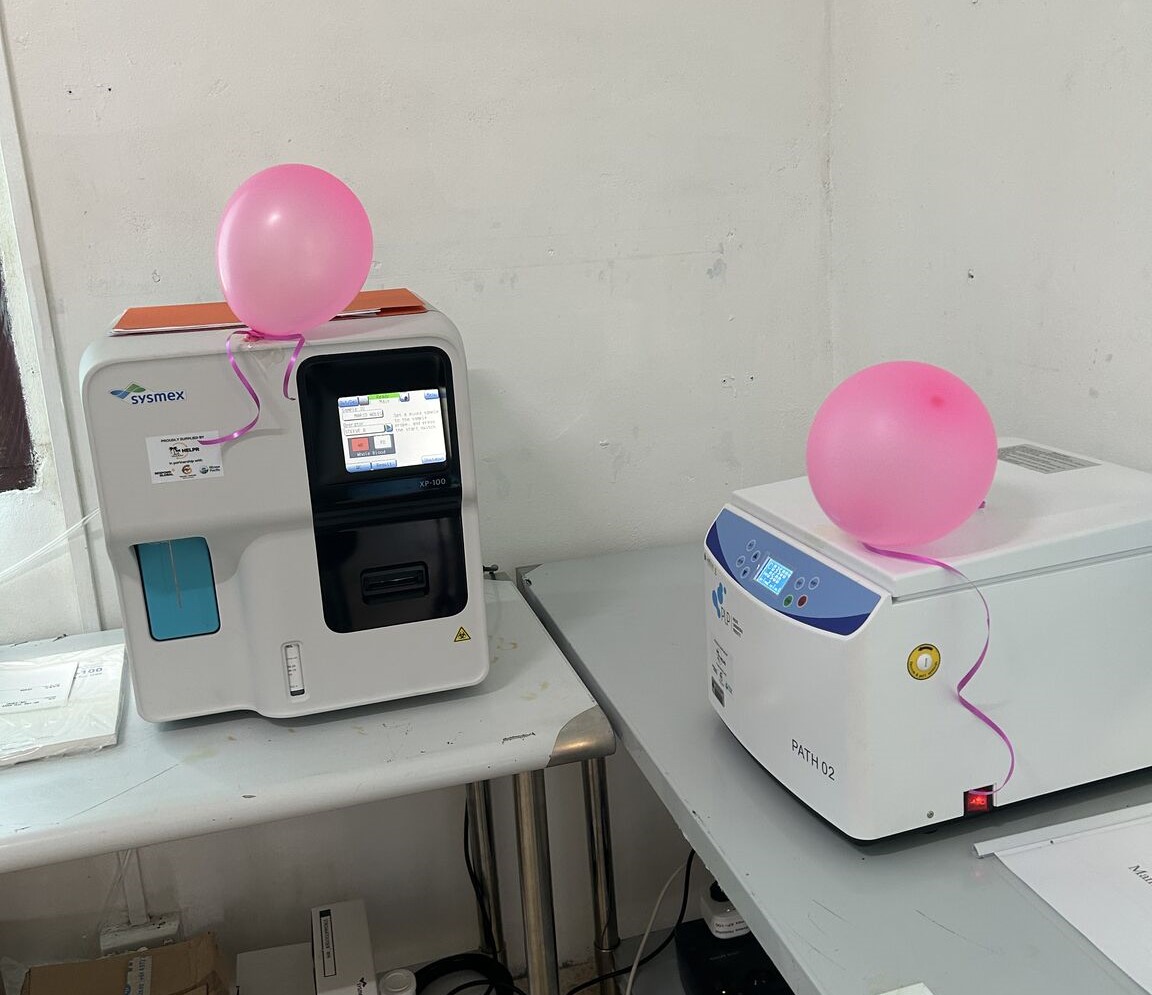
"Quatvaes Hospital now has a range of essential diagnostic and monitoring equipment including an x-ray, ultrasound, ECG machine for detecting heart conditions, patient monitors, and a hematology analyser for blood testing," she said.
"The next priority is the acquisition of a biochemistry machine to enable testing for liver and kidney function.
"However, this will require further expansion of the hospital's solar capacity to support the additional power demand."
The HELPR-1 initiative has now completed 30 of its planned solar system installations and refurbishments across all six provinces in Vanuatu, reaching about 75 percent of its goal to provide clean energy and improved healthcare for more than 80,000 people in remote communities.