



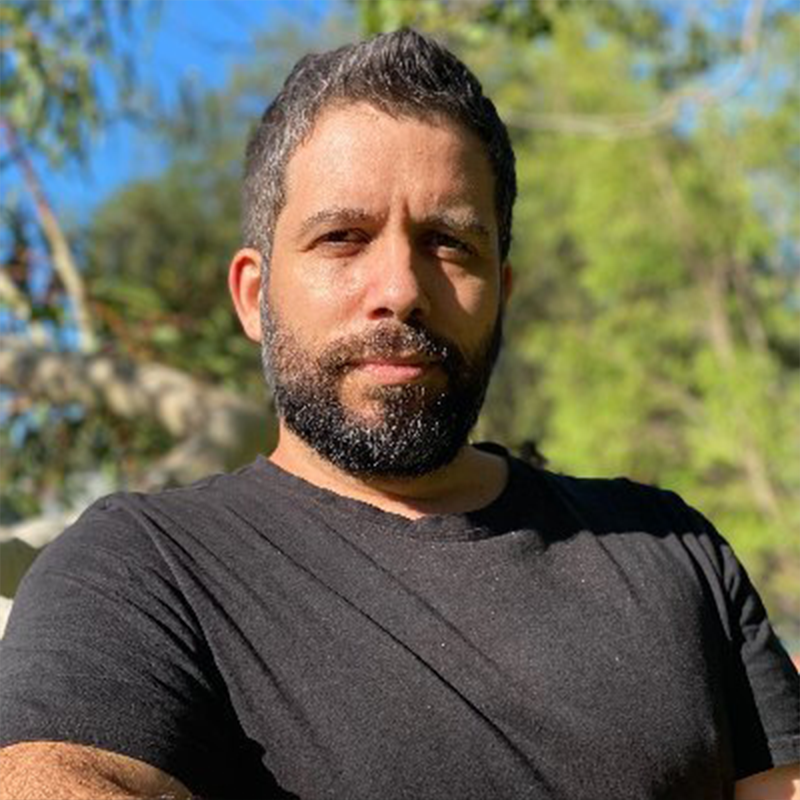

Mazina Giizhik (the one who speaks of pictures in the sky), the Honourable Justice known as Murray Sinclair, Anishinaabe leader, former judge, Senator, and chair of the Truth and Reconciliation Commission, has died at age 73.
The Union of British Columbia Indian Chiefs said on Monday Mr Sinclair was known across Turtle Island / Canada and throughout the world as "an unparalleled First Nations justice leader and for his unwavering dedication to Indigenous peoples".
Manitoba's first Indigenous judge, and only second in Canada, Mr Sinclair worked tirelessly to reform the justice system for 25 years as a civil and criminal litigator, and as an Indigenous and human rights advocate – including for First Nations bands, Indigenous children, Friendship Centres, Métis organisations, the Manitoba Human Rights Commission, the Four Nations Confederacy, and Residential School survivors.
The Union said it mourned "the tremendous loss" of a leader "who has been monumental in guiding this country on its path to reconciliation".
Union vice president, Chief Don Tom, said the organisation offered "our deepest condolences to Mr Sinclair's family, particularly his children Gazheek, Niigaanwewidam, Dené, Kizhay and Miskodagwaaginikwe, and his grandchildren, as well as his community, and all those who have been touched by his many decades of advocacy work including survivors and intergenerational survivors of Residential Schools".
"Mr Sinclair and his late wife Katherine Morrisseau-Sinclair, who passed in June of this year, were prominent cultural leaders within the Anishinaabe community whose loss will reverberate across the country.
"We celebrate and thank Mazina Giizhik for his life's work, and his family for sharing him with communities across the country who benefited from his time, generosity, and love."
The University of Manitoba (UM) hailed Mr Sinclair as "the man who listened to thousands of Survivors of residential schools as Chair of the Truth and Reconciliation Commission".
UM President President Michael Benarroch said that in every role he took, Mr Sinclair was "a moral compass, guiding us all towards the path to Reconciliation"
"The University of Manitoba is committed to honouring his legacy by furthering Reconciliation efforts within our community and beyond. We are deeply honoured to be host to the National Centre for Truth and Reconciliation, which came about through Sinclair's leadership and advocacy. And though his vision and voice will be profoundly missed, they will continue to inspire us toward a more just and inclusive future," he said.
UBCIC Secretary-Treasurer, Chief Marilyn Slett, said "Murray Sinclair will undoubtedly be remembered for taking on the momentous role of head commissioner to the Truth and Reconciliation Commission, and travelling across the country to listen, record and honour the stories of more than 6,500 Residential School survivors over six years".
"His painstaking dedication to hold space for these truths brought the realities of Residential Schools out of the shadows and into public and policy discourse," she said.
Chief Slett noted that Mr Sinclair's powerful voice created space for the acknowledgment of Canada's policies of forced assimilation, for healing to begin for survivors, and leaves a legacy of a framework for reconciliation.
She noted that Mr Sinclair was the architect of some 94 Calls to Action, of which only 13 have been fully implemented.
"Canada owes it to Mr Sinclair to honour his life's work and legacy and make good on implementing the Calls to Action as he always wished," Chief Slett said.
The Union president, Grand Chief Stewart Phillip, said the Honourable Justice will be remembered as "a cornerstone in this country's journey to reconciliation, for casting a light on colonial oppression, injustice, racism, and violence against Indigenous peoples, and making our lives better in every way".
"We are all richer for having known Mr. Sinclair, whether directly or indirectly, and we will continue to feel the impacts of his legacy as one of the greatest humanitarians and truth tellers of our time for years to come," he said.
"While his efforts have undoubtedly contributed to widespread understanding and action on Indigenous justice issues, his passing comes at a time when Canadians are wrestling with the truths of Residential Schools.
"Mr Sinclair lived long enough to witness the increase in racist Residential School Denialism, and the ongoing investigations into missing children and unmarked burials at former Residential School sites outlined in (Independent Special Interlocutor) Kimberley Murray's report last week."
Grand Chief Phillip urged all levels of government and all Canadians to reflect on Mr Sinclair's contributions.
"I know that we will continue to walk the path he laid out for us until we achieve his vision of reconciliation and justice for Indigenous peoples in this country," he said.
Guidance on how to pay respects can be found in a statement from Mr Sinclair's family, who shared that "a sacred fire to help guide Mazina Giizhik's spirit home has been lit outside the Manitoba Legislative Building".
Everyone is welcome to visit his sacred fire to make an offering of tobacco and send him your best wishes. Out of respect for his journey for the next few days, the family respectfully asks others across the country to please DO NOT light any other fires for him.
In lieu of flowers, donations can be shared with The Murray Sinclair Memorial Fund at the Winnipeg Foundation.