




A study by the University of Hawaiʻi at Mānoa's Hā Kūpuna – National Resource Center for Native Hawaiian Elders has examined the end-of-life care preferences of Native Hawaiian kūpuna (Elders).
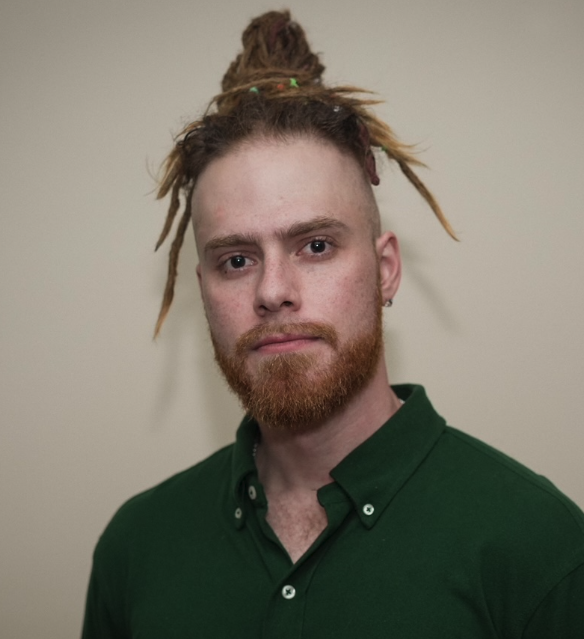
Led by Laguna Pueblo and Quechan woman, Assistant Professor Miquela Ibrao, researchers from UH and ALU LIKE, Inc. identified culturally specific approaches to support kūpuna values in healthcare.
"Death is not an end but a transition that honors relationality, ancestors and the land,' Assistant Professor Ibrao said.
"Decolonizing end-of-life care means respecting cultural beliefs and embracing Indigenous wisdom about healing and living well."
The study, published in the Journal of Palliative Medicine, is based on interviews with 20 kūpuna aged 60 and over from rural areas across Hawaiʻi.
It highlights four key themes.
Cultural perspectives on death: Kūpuna view death as a transition that acknowledges relationships with ancestors and the land.
Traditional healing practices: Lāʻau lapaʻau (herbal medicine) and lomilomi (massage) are essential aspects of care.
Family-centered decision-making: ʻOhana (family) plays a central role in healthcare choices, with deceased ancestors and the ʻāina (land) seen as sources of guidance and healing.
Preference for home-based care: Many kūpuna wish to age and die at home but fear burdening their families, with limited long-term care options in rural areas adding to the challenge.
Findings from the study indicate that Native Hawaiians are less likely to complete legal medical forms related to end-of-life care compared to non-Indigenous populations.
Researchers suggest this may be linked to cultural perspectives on healthcare and decision-making.
The study recommends several strategies to improve culturally competent care for Native Hawaiian Elders.
Developing relationships with Native Hawaiian patients well before end-of-life care is needed to facilitate discussions about preferences.
Working collaboratively with patients and their defined family structures.
Asking about cultural practices and engaging traditional healers as directed by the patient.
Providing healthcare services in patients' homes and communities.
Hā Kūpuna is one of three National Resource Centres for Native Elders funded by the U.S. Administration on Ageing and operates within the Thompson School of Social Work & Public Health.