





After a decades-long campaign La Perouse Local Aboriginal Land Council has welcomed the news that four Kamay spears taken in 1770 will be returned to Dharawal country.
The Council worked with the National Museum of Australia to secure the return of the spears from Trinity College, Cambridge.
The significant artefacts were taken by Lt. James Cook and crew of the Endeavour at first contact with Kamaygal ancestors. They are all that remains of the 40 spears recorded by Cook in 1770 and presented by Lord Sandwich to Trinity College, where they have been housed since.
La Perouse LALC chairperson Noeleen Timbery said she hasn't stopped smiling since hearing the news they "are finally going to come back home for good".
"Trinity College agreed earlier this week to transfer ownership of those spheres, back to country, back to the La Perouse Aboriginal community...we're really, really happy," Ms Timbery told National Indigenous Times.
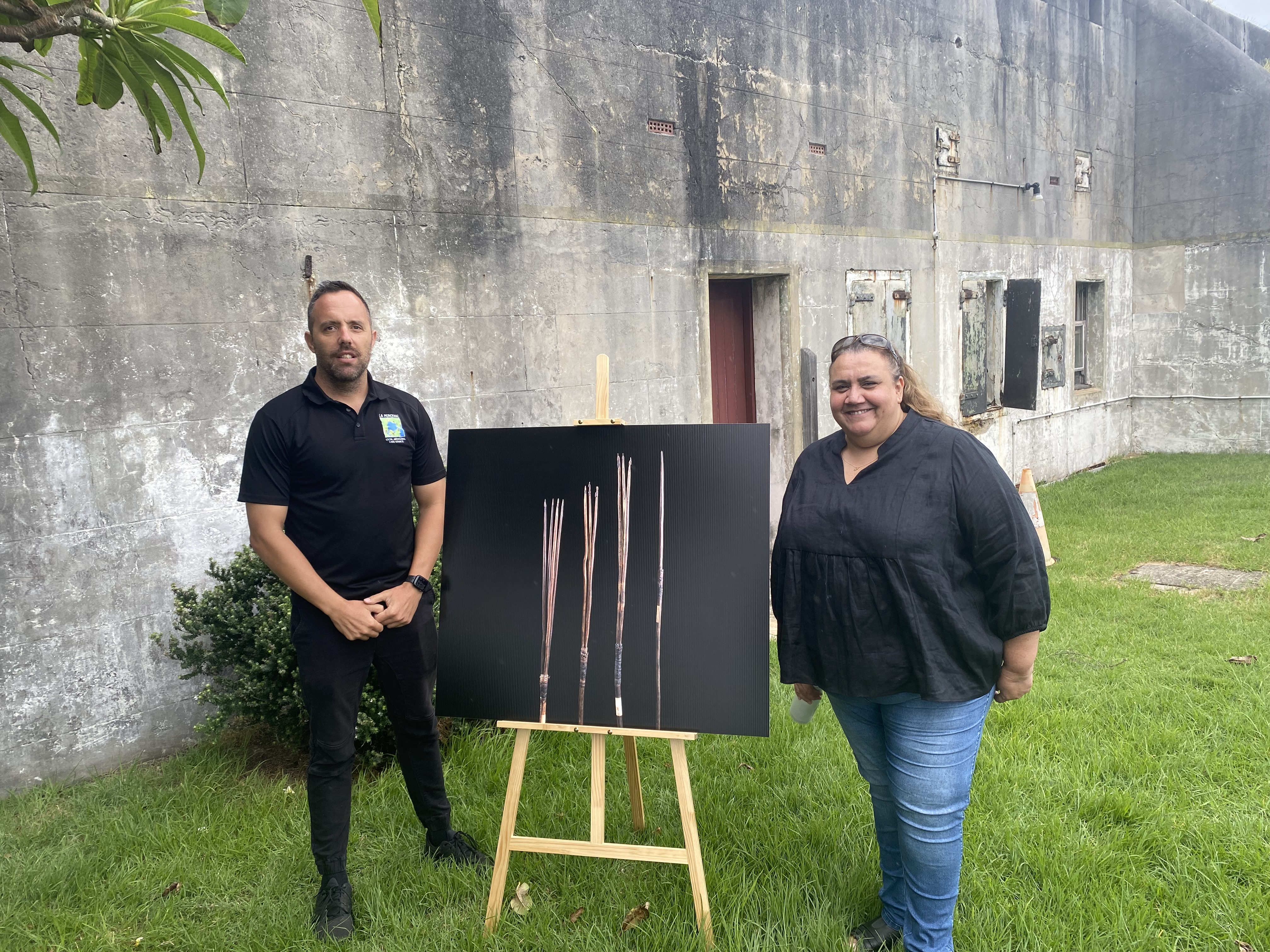
She and local community-organisation Gujaga chair Ray Ingrey said the University has worked willingly and collaboratively over a number of years with the wait largely due to logistics and housing requirements.
The under-construction Kurnell visitors centre, on the very land from where the spears were taken, will provide the museum-grade facility required to maintain their condition "for another 253 years-plus".
Mr Ingrey said the advocacy of Dharawal Elders to bring them back extends back the 1980s; a strategy he is glad to see has "paid off".
In recent years, the spears have made their way to Australia for temporary exhibition with the National Museum.
Although seeing them come and go has caused some pain, both Ms Timbrey and Mr Ingrey like to look at the positives.
Ms Timbrey said "repatriation" is for "museums to figure out".
"All we were really looking for was community access," she said.
It was wonderful getting them back (at times)...(but) it was never going to be the end of the story."
Mr Ingrey's organisation Gujaga provides cultural learning and engagement with local the Aboriginal community.
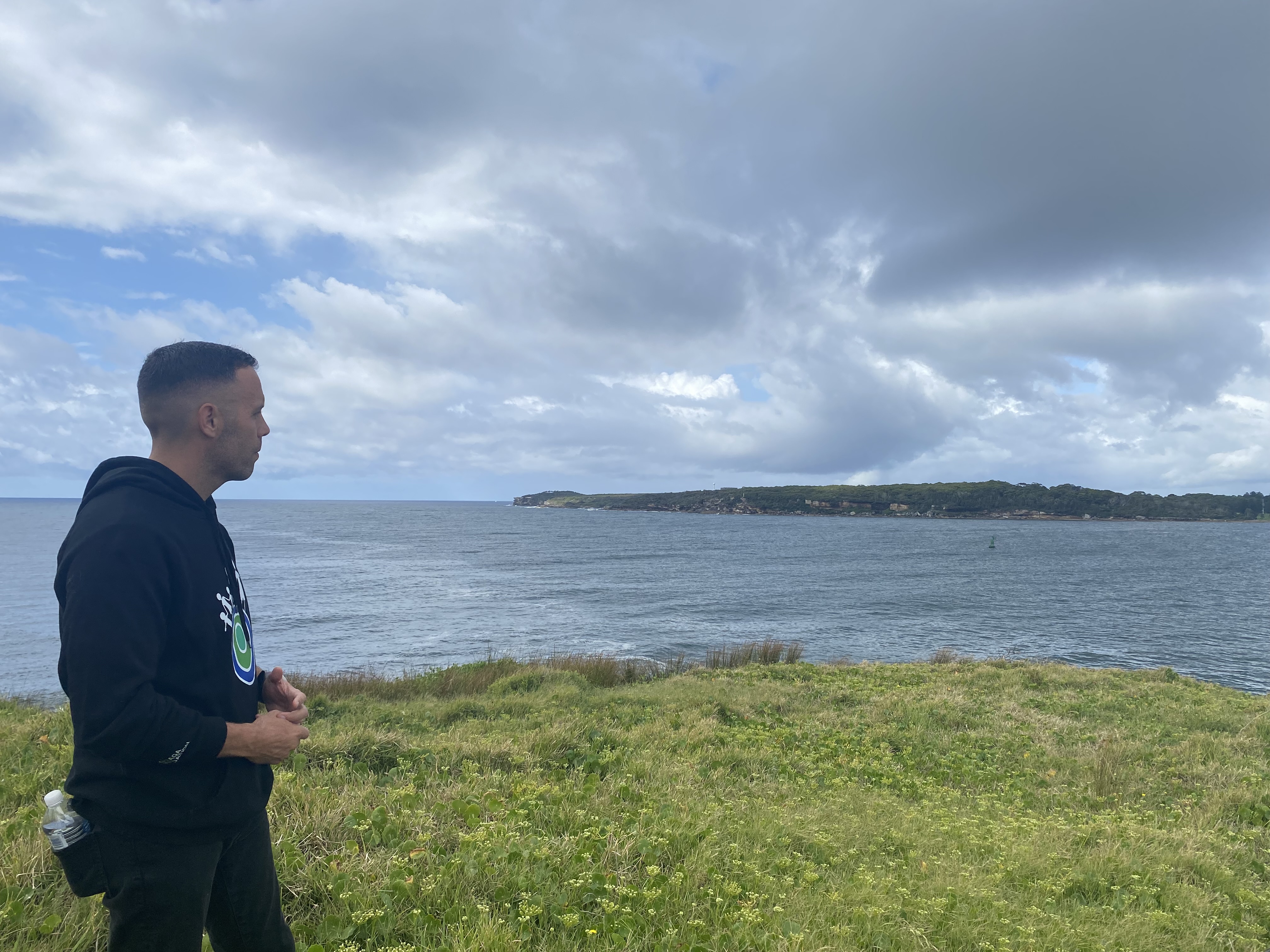
He says the return of the spears will continue that connection to culture for young mob and realise those efforts of Elders before them.
"Our Elders knew that if they weren't museum-grade we wouldn't be looking at them today. So they looked at the positive of a negative event like 1770," he said.
"Previously, because there was no chance of (their) return back then, we agreed that we should look at it for educational purposes.
"Our Elders have been teaching our young ones how to make spears for decades here...they're not that different from the 253-year-old ones.
"It's tangible evidence to our young kids that we haven't really changed that much. Despite our world changing around us, our cultural practices are very similar to the ways of our old people."
The four Kamay spears are expected to return back to Country within months.