




Fiji has secured an additional $5 million from New Zealand's Ministry of Foreign Affairs and Trade for the Climate Relocation of Communities Trust Fund.
The Fiji Government said the funding will support Fiji's planned relocation program for communities facing severe climate risks, including Nabavatu, when all other adaptation options have been exhausted.
Nabavatu is among the communities already being relocated after saltwater intrusion and coastal erosion made the original site uninhabitable.
Prime Minister Sitiveni Rabuka said the $5 million contribution reflected shared priorities on climate resilience in the Pacific.
"I thank the Government and people of New Zealand for their continued partnership with Fiji," he said.
"This contribution reflects our shared commitment to Pacific resilience, climate leadership, and standing together in support of communities most affected by climate change."
The Climate Relocation of Communities Trust Fund was established in 2019 to support the orderly, inclusive and dignified relocation of communities at risk from climate change.
New Zealand was the first country to provide dedicated financing to the fund in 2020.
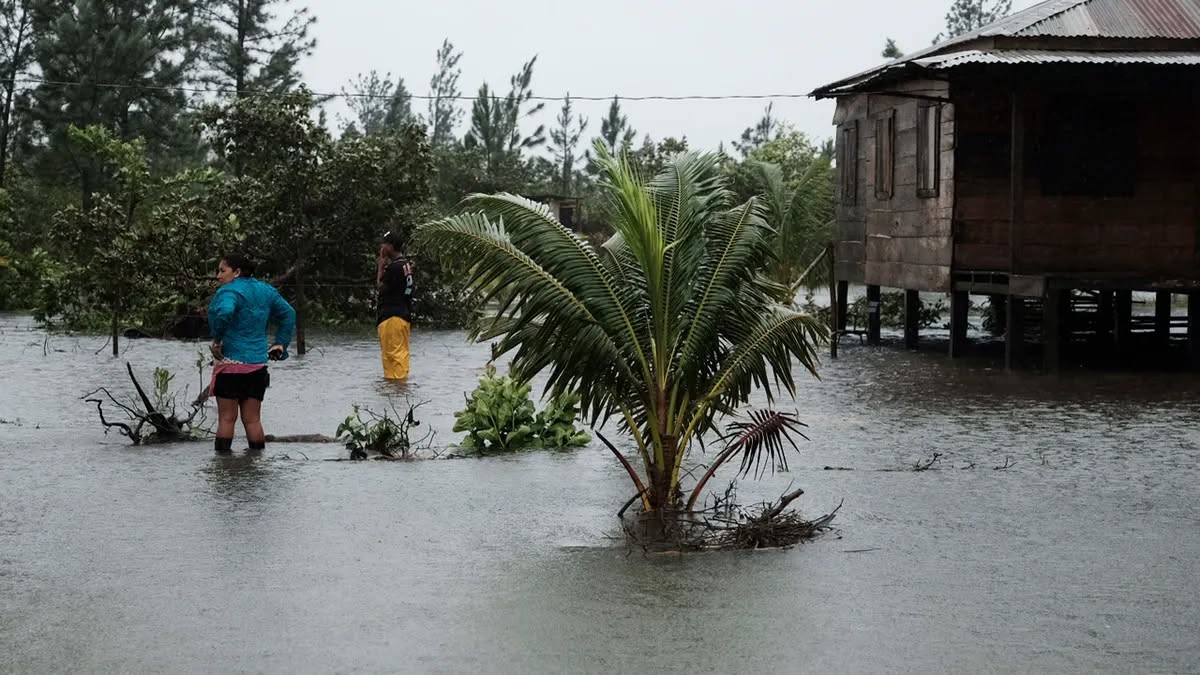
The Fiji Government said relocation remains a measure of last resort, with in-situ adaptation pursued before relocation is considered.
Fiji's Special Advisor on Climate Change, Daniel Lund, previously raised concerns about the scale of future relocations during the Secretariat of the Pacific Regional Environment Programme's Pacific Loss and Damage Dialogue.
"76 per cent of our population lives within five kilometres of the coast, and 27 per cent within one kilometre," he said.
"Relocation is not just a coastal issue — we have highland villages being washed away by floods and buried by landslides."
Mr Lund said Fiji may be forced to relocate up to 676 communities as rising seas, extreme rainfall and landslides intensify under climate change, and is a last resort tied to loss and damage.
"It's not adaptation in the traditional sense — it's about leaving your traditional land and livelihoods behind," he said.
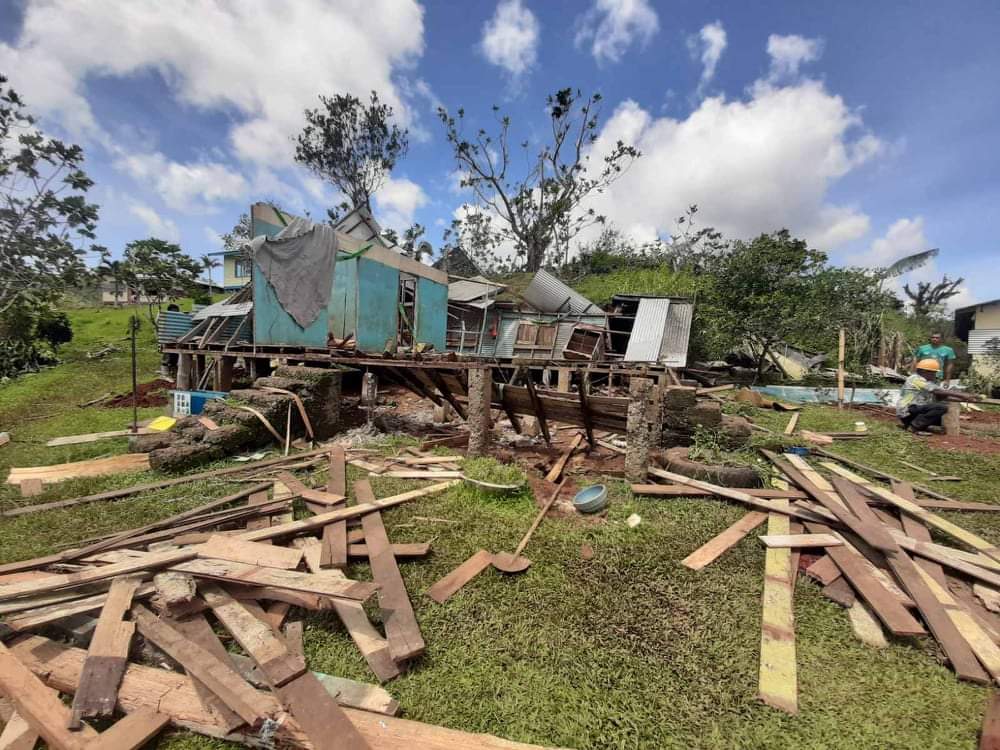
Mr Lund pointed to relocation work under way in Nabavatu Village in Vanua Levu.
"These are deeply complex processes," he said.
"Every relocation involves land negotiations, hazard assessments, psychosocial support, and coordination across at least 15 ministries.
"Without sustained finance, it simply can't be done."
Mr Lund described Fiji's Climate Relocation of Communities Trust Fund as a structured approach for managing displacement risks over time.
"This is a long-term system for dealing with what is unfortunately a long-term issue," he said.
"By linking relocation to legislation, we provide donors with certainty that funds will be spent on defined, lawful activities."
The fund's design also supports prioritisation based on need.
"[It] allows us to strategically manage resources," Mr Lund said.
"It means we can prioritise the most urgent relocations rather than responding to donor preferences.
"This is not a project — it's a permanent national mechanism."
The Fiji Government said it welcomed New Zealand's continued support and looked to strengthen the partnership to advance climate resilient development for the people of Fiji.