




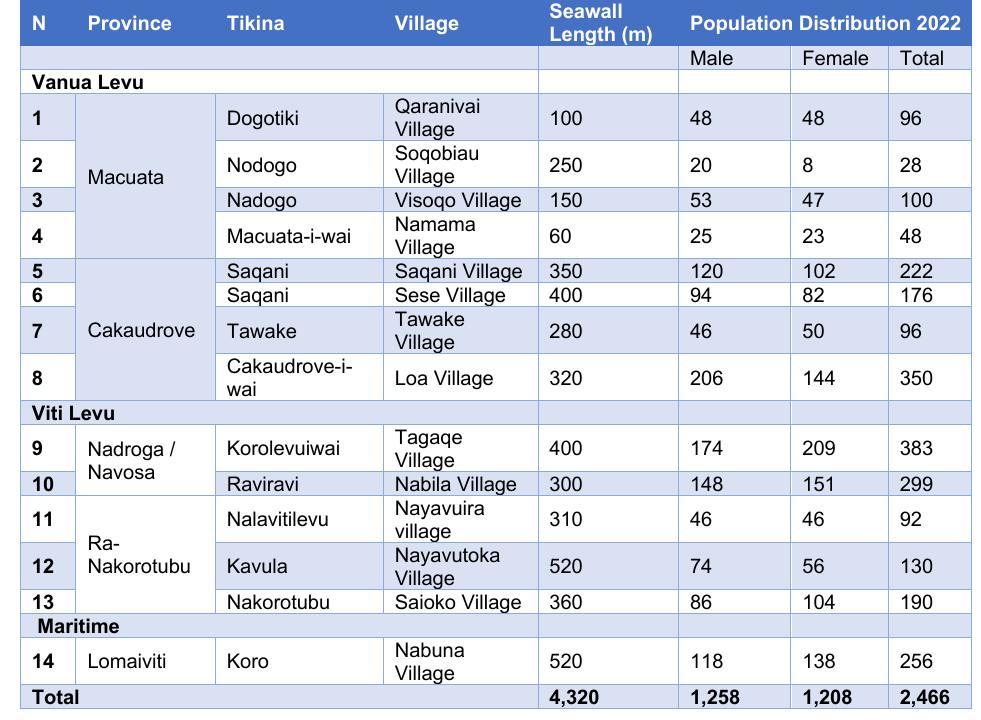
Fiji is moving to link national climate targets, Pacific-led funding and on-ground adaptation through a USD $5.7 million project supporting 14 vulnerable coastal communities.
The five-year Adaptation Fund initiative will use nature-based seawalls and other coastal protection measures to reduce the impacts of climate change, including coastal erosion, flooding and rising sea levels.
The project sits alongside Fiji's development of its Third Nationally Determined Contribution (NDC3.0) Costed Implementation Plan and its work to access community-based climate and disaster funding through the Pacific Resilience Facility (PRF).
Permanent Secretary for Environment and Climate Change Dr Sivendra Michael said climate investment needed to deliver practical outcomes for communities.
"Every initiative and every investment must contribute directly to Fiji's adaptation priorities and deliver real benefits to our communities," he said.
"The NDC3.0 is the blueprint of how we can achieve our climate objectives and what needs to be delivered.
"The Costed Implementation Plan defines the pathways to deliver our priorities. And this project demonstrates how NDC is implemented on the ground."
The 14 communities were selected through climate vulnerability assessments carried out by Fiji's climate change and waterways teams.
The Ministry of Environment and Climate Change is the national focal point for the Adaptation Fund, the Ministry of Agriculture, Waterways and Sugar Industry is the executing agency, and the Pacific Community is the implementing partner.
An inception workshop for the project was held from 4 to 5 May in Suva, bringing together government ministries, development partners and civil society organisations.
The project is intended to move Fiji's climate planning into direct protection works in vulnerable coastal areas.
Permanent Secretary for Agriculture, Waterways and Sugar Industry Dr Andrew Tukana said the need for action was already clear in coastal areas.
"Our coastal communities, where the majority of our population resides, are already experiencing the effects of rising sea levels, coastal erosion, and more frequent and intense extreme weather events," he said.
"These impacts are not only environmental but are social and economic; they affect homes, livelihoods, infrastructure, and the cultural identity of our people, and the urgency to act has never been greater."
Dr Tukana said the approach would rely on local participation and environmental protection.
"A key feature of this project is the use of nature-based solutions, particularly nature-based seawalls, and these approaches work in harmony with our natural environment, utilising local materials and vegetation to reduce coastal erosion, mitigate storm impacts, and restore ecosystems," he said.
"The 14 targeted communities are partners in this initiative and their traditional knowledge, participation, and ownership will be critical to the success and sustainability of the interventions."
The NDC3.0 process will include technical working groups, nationwide consultations and stakeholder engagement to ensure the plan reflects Fiji's priorities.
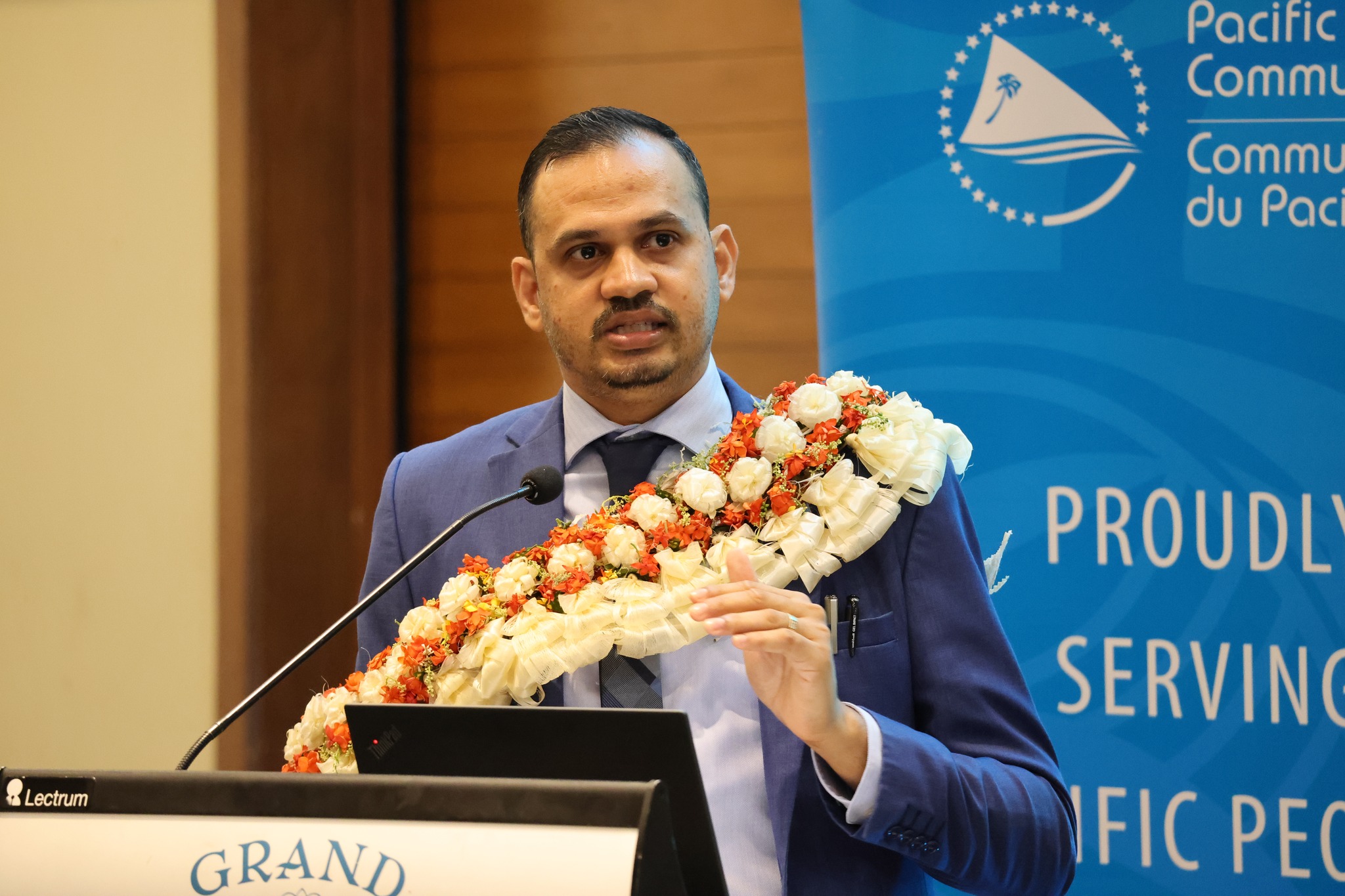
Dr Michael said the focus had shifted from climate commitments to delivery.
"The era of climate ambition is over. We are now in the era of climate accountability," he said.
"If NDC 3.0 is our promise, this costed plan is our proof of seriousness.
"For small island states, implementation is not technical work, it is nation-building under climate pressure."
Fiji is also working to shape how climate finance reaches communities through the PRF.
The PRF is the first Pacific-owned financing mechanism, designed to deliver simplified and accessible funding for community-based resilience and sustainable development initiatives.
Dr Michael said the facility needed to keep community needs at the centre of climate action.
"It's not about prescribing solutions; it is about listening," he said.
"The PRF must reach those who need it most and deliver real, measurable benefits.
"This is about turning vision into action, ensuring climate finance supports our communities, strengthens resilience, and responds to the realities on the ground."
A key focus of the PRF work is the development of a Disaster Preparedness and Response Sub-Fund to strengthen how communities prepare for and respond to disasters.
Pre-COP31 and COP31 are also expected to provide opportunities for Fiji to showcase community-level climate solutions and identify high-impact projects.
The project gives Fiji a practical test of how climate commitments can be carried from policy rooms into coastal communities.