



The Pacific Region Indigenous Doctors' Congress brought together hundreds of medical professionals from around the world this week in Adelaide.
The Congress (PRIDoC 2024) is an important gathering and opportunity for doctors to share insights, experience and wisdom, featuring an array of remarkable speakers and sessions.
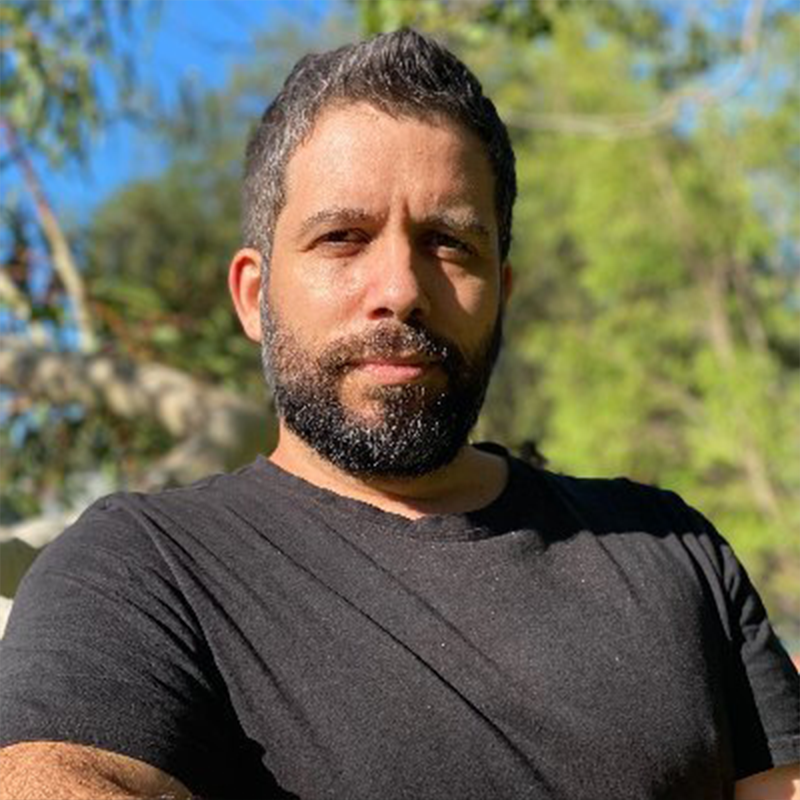
AIDA VP and PRIDoC 2024 Committee Chair and Australian Indigenous Doctors' Association vice president Dr Jonathan Newchurch told National Indigenous Times the benefits of the gathering are many.
"We've got up to 800 delegates at this year's Pacific Regional indigenous doctors Congress… from Australia, New Zealand, Taiwan, Hawaii, Canada and the USA," he said.
"What we do here is, as indigenous people, we come together and we bring our shared experience of colonisation and the effects that that's had on us as a people, our health and our way of life.
"This year we're looking at the theme of 'our language, our culture, our health'. And that's really intrinsic in us as indigenous people. You know, our language informs, or is informed by our culture, our ways of doing things, interacting with each other, our cultural practices, which is then linked directly to our health.
"We are having lots of discussions around how that looks for each of the different language groups from around the Pacific that here, looking at what they have done in their areas to improve that connection to language, or how that connection to language is important to them, how that then reflects in the health of those people in that area, and then looking at why it's important for them - that connection to language and culture - and how that will improve the health of the people."
Dr Newchurch said new research has vindicated long-held indigenous beliefs about the importance of language and culture in healthcare.
"New research coming out, which we as indigenous people know within ourselves to be true, but new research is coming out which is showing a direct link between language and cultural practice and better health outcomes for indigenous people, and also research showing that where there is a loss or disconnection of language and cultural practice, there are worse health outcomes," he said.
"This is also acknowledged by the United Nations Declaration on the Rights of Indigenous People (UNDRIP), and also acknowledged in the United Nations decade of indigenous languages, where these are key issues of health and how it affects us as a people."
Dr Newchurch said the biggest challenges are the social determinants driving poor health outcomes, and how to ensure they are tackled effectively.
"We've got heaps of evidence on the social determinants of health, which affect indigenous people, but the system doesn't. The health system isn't set up structurally to address those they're very much focused on physical mental health, which is great, we need that, but if you're not addressing the social determinants of health, which feed directly into health and wellbeing, then you're not going to have the greatest impact on improving the health and wellbeing of indigenous people," he said.
"We need to change the structure to really allow health to work on - or we need programs that work on - both the social determinants and the health system, they need to work together. They can't be siloed, separated, where you've got funding for health and then you've got funding for the social determinants of health. They need to work together in their funding and their programs, otherwise we're not going to progress as quickly or efficiently as we can."
The AIDA VP said he hoped the Congress "strengthens our connections with the people that attend these, building those connections with the delegates from around the Pacific, celebrating their successes, learning from their wins, but also learning from what hasn't worked for them".
"One of the biggest things is rejuvenating our spirit so we can return to our respective regions to continue the work that we need to do to improve the health of our people," he said.