



The GunaiKurnai Land and Waters Aboriginal Corporation and Monash University researchers have unearthed evidence of rituals dating back 500 generations.
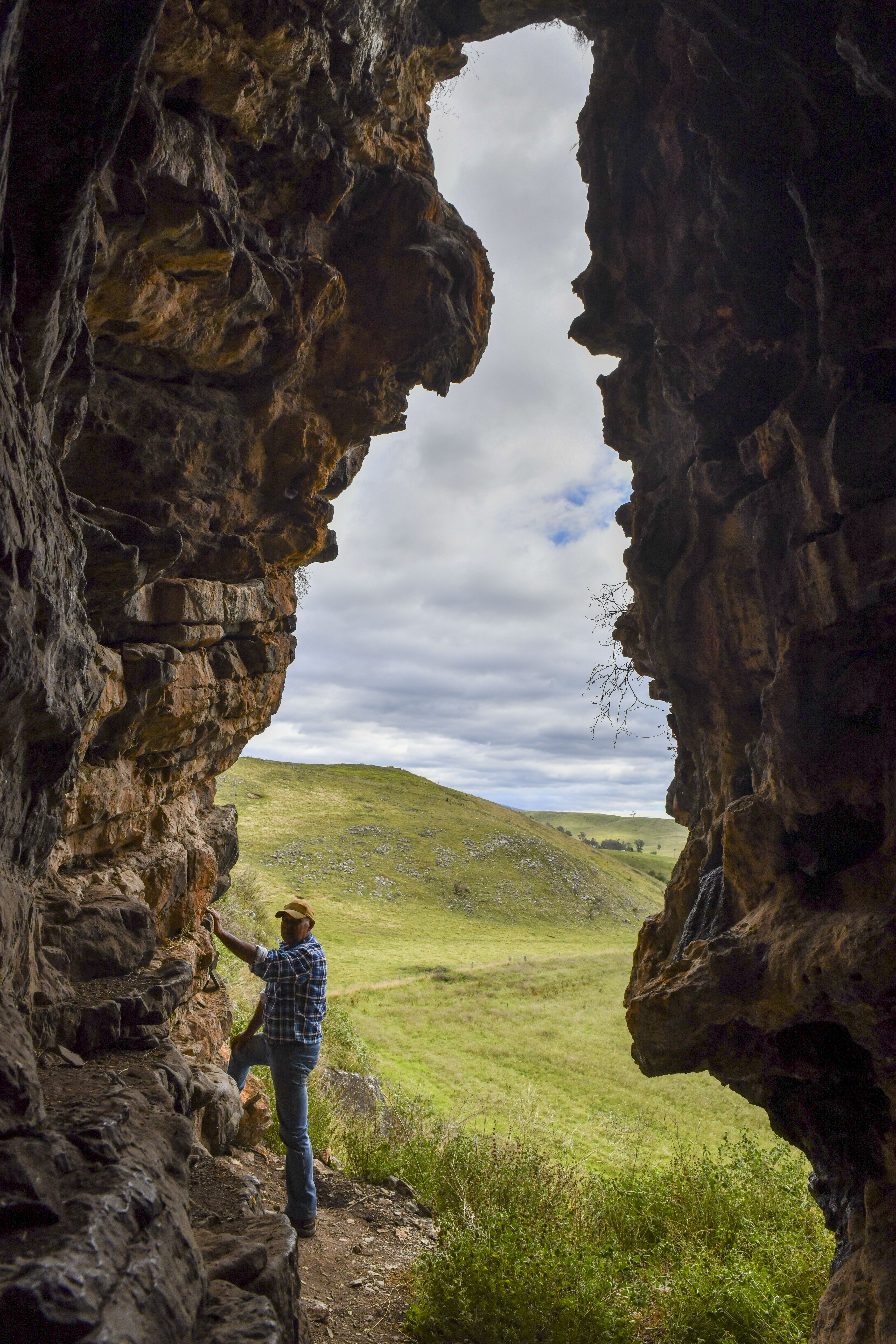
The findings, published on Monday in the scientific journal Nature Human Behaviour, uncover profound insights into the rich heritage of one of the world's oldest living cultures, evidenced by discoveries at Cloggs Cave, a limestone cave and rockshelter on a cliff along the Snowy River gorge on GunaiKurnai Country, near the town of Buchan, Victoria.
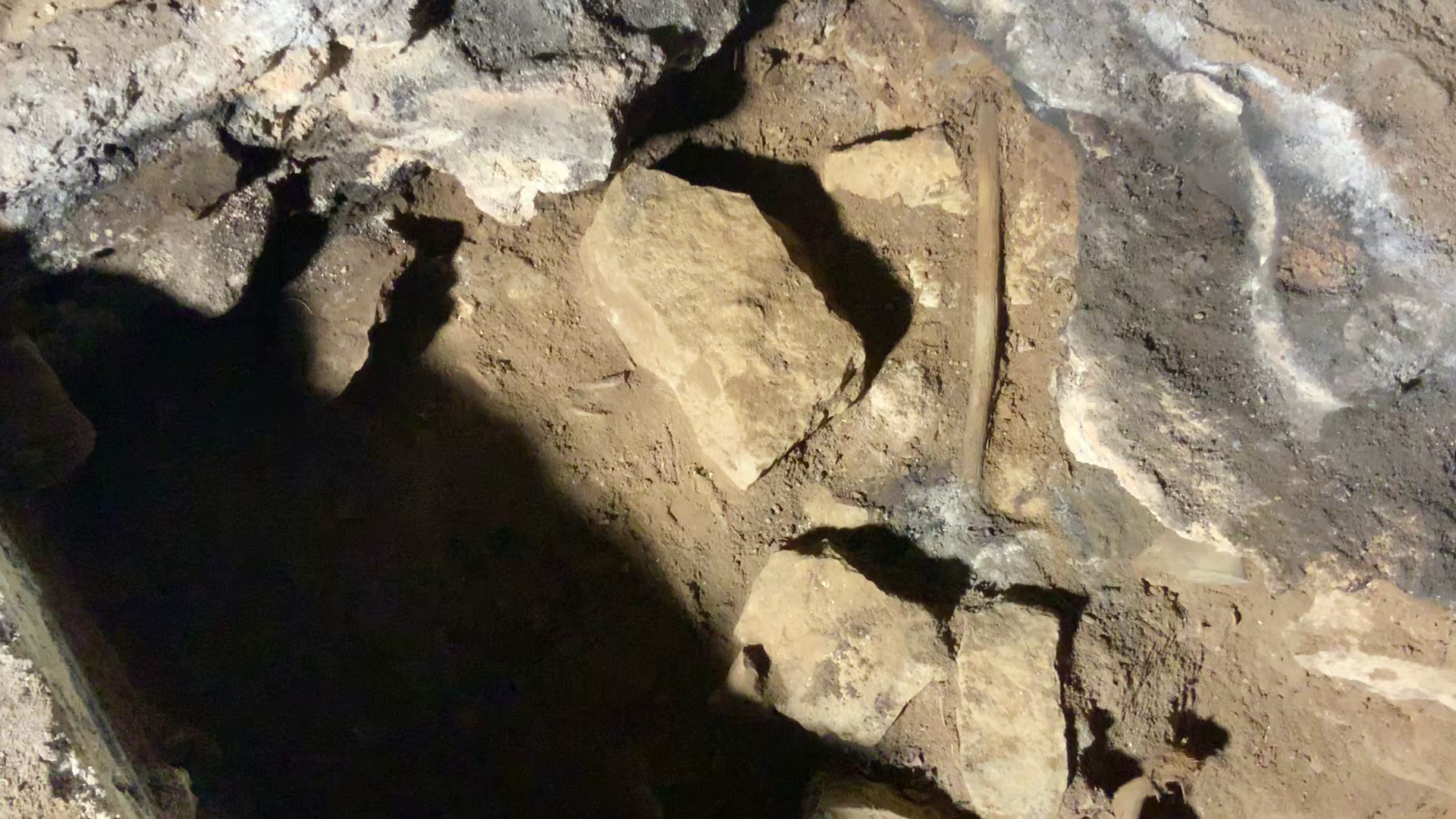
The archaeological excavations revealed two small fireplaces, each with a shaped single stick embedded within. The upper fireplace was the size of the palm of a human hand, with a Casuarina stem partially burned amidst the ashes. The second fireplace, buried deeper in the deposit, also contained a single Casuarina stem, this one shaped with an angled-back end like on a throwing stick.
In a remarkable find, chemical analyses revealed that both sticks had been smeared with animal or human fat, and date back to 11,000 and 12,000 years ago respectively, marking the end of the Last Ice Age.
Nineteenth century ethnography provides detailed descriptions of such fireplaces, shedding light on their purpose; Alfred Howitt, a government geologist and pioneer ethnographer, documented the ritual practices of mulla-mullung, powerful GunaiKurnai medicine men and women.
The ritual involved fastening something belonging to the sick person to the end of a throwing stick smeared in human or kangaroo fat. The throwing stick was then stuck slanting in the ground before a fire was lit underneath it. The mulla-mullung would then chant the name of the sick person, and once the stick fell, the charm was complete.
Importantly, Mr Howitt - writing well over 125 years ago - noted that the stick was made of Casuarina and that "the practice still exists".
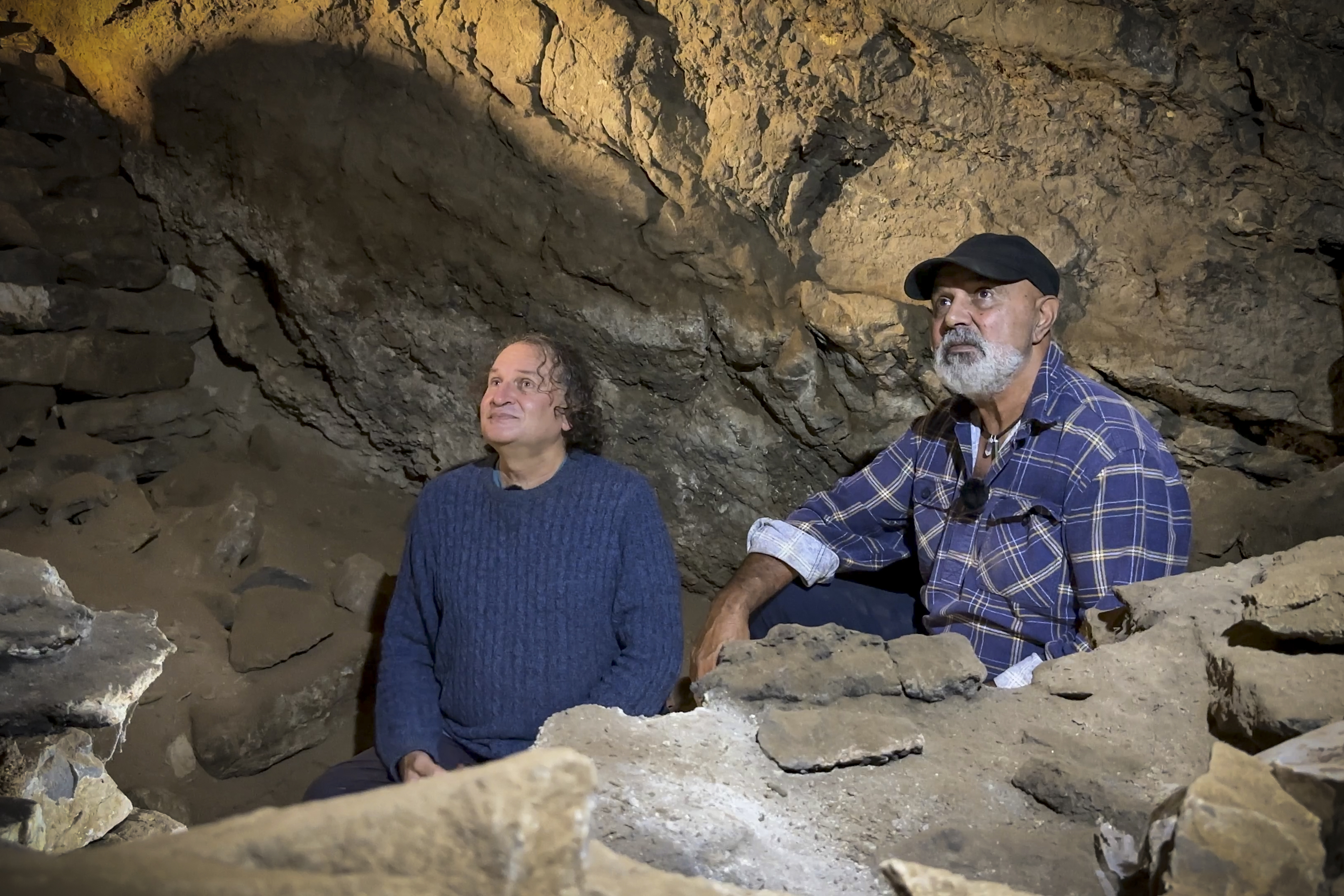
GunaiKurnai Elder Uncle Russell Mullett said the findings, representing cultural knowledge passed down through 500 generations, are remarkable.
"For these artefacts to survive is just amazing. They're telling us a story. They've been waiting here all this time for us to learn from them; a reminder that we are a living culture still connected to our ancient past. It's a unique opportunity to be able to read the memoirs of our Ancestors and share that with our community," Mr Mullett said.
Professor Bruno David from the Monash Indigenous Studies Centre said the findings are a testament to the endurance of GunaiKurnai cultural practices and oral traditions.
"The connection of these archaeological finds with recent GunaiKurnai practices demonstrates 12,000 years of knowledge-transfer," Professor David said.
"Nowhere else on Earth has archaeological evidence of a very specific cultural practice previously been tracked so far back in time."
An earlier excavation at Cloggs Cave was undertaken in the 1970s, at a time when Traditional Owners were not consulted about excavations on Country.
Mr Mullett believes it's time for GunaiKurnai to reclaim the stories and better understand the ways of their Old Ancestors.
"Today, GLaWAC (GunaiKurnai Land and Waters Aboriginal Corporation) and Monash University are showing what a true Traditional Owner-led partnership should look like. It's only when you combine the Western scientific techniques with our traditional knowledge that the whole story can start to unfold," he said.
The findings demonstrate GunaiKurnai passed down cultural knowledge for countless generations, and have done so since the Last Ice Age and beyond, while also adapting and developing new knowledge and customs.